Cedar shake has been part of California's roofing landscape since the 1800s. The rustic, handcrafted look remains genuinely appealing, and for a long time it was one of the most practical choices available. That changed as California's wildfire reality became impossible to ignore.
Today, a wood shake roof in California sits at the intersection of beauty, legal restriction, and real risk. This guide covers what the law actually says, what natural cedar shake costs and demands from you as a homeowner, and why most California homeowners looking for that aesthetic are turning to composite alternatives instead.
The Appeal of a Wood Shake Roof in California
A wood shake roof in California has long been admired for its rustic charm and natural beauty. It offers a timeless look that pairs well with mountain cabins, coastal homes, and traditional California architecture. Homeowners often appreciate its handcrafted character and textured depth, which makes every roof feel unique.
Beyond aesthetics, natural wood shake also provides built-in insulation, helping keep homes cooler in summer and warmer in winter by creating a thermal barrier. In areas of California where temperatures swing dramatically throughout the year, that's a real practical benefit.
These qualities explain why the material remained popular for so long, and why demand for something that looks like it persists even as the product itself has become increasingly difficult to use legally in California.
Are Wood Shake Roofs Legal in California?
This is the question most California homeowners ask first, and the honest answer is: it depends on where you are, but in most cases the answer is no, or not without significant restrictions.
The 1991 Oakland Hills Firestorm
The turning point was the 1991 Oakland Hills Firestorm, which destroyed 1,520 acres, 2,843 single-family homes, and 437 apartment and condominium units. It killed 25 people and injured 150. Investigations pointed directly to untreated wood roofing as a primary factor in how quickly the fire spread between homes. The event triggered a decade-long legislative response that fundamentally changed what California allows on residential roofs.
2001 California State Building Code Requirements
In 2001, California established that no wood roofing materials could be sold in the state unless the product had passed at least 5 of the 10-year weathering tests. Fire-resistant treatment became mandatory under Title 24, along with additional testing and performance requirements. Even treated wood shakes now face strict scrutiny under California's building code.
The 2012 Replacement Deadline
California went further, requiring that homes with untreated wood roofs replace them with an approved product by August 2012. That deadline has long passed. Any home still carrying untreated wood shake is out of compliance.
WUI Zone Restrictions
In designated Wildland-Urban Interface (WUI) zones and Very High Fire Hazard Severity Zones, which cover large portions of Southern California, the foothills, and areas bordering wildland, wood roofing is effectively banned regardless of treatment level. Class A fire rated assemblies are required, and treated wood shakes rarely meet that threshold. Most California building code updates in recent years have tightened, not loosened, these restrictions.
Insurance
Even where fire-treated wood shakes are technically code-compliant, the insurance market has largely moved on. Many carriers refuse coverage for homes with any wood roofing regardless of treatment, or charge substantially higher premiums. Some require Class A fire-rated systems as a condition of issuing a policy. The practical result is that even a legally compliant wood shake roof can leave a homeowner underinsured or facing unaffordable premium increases.
The Real Challenges of a California Shake Roof
Fire Risk
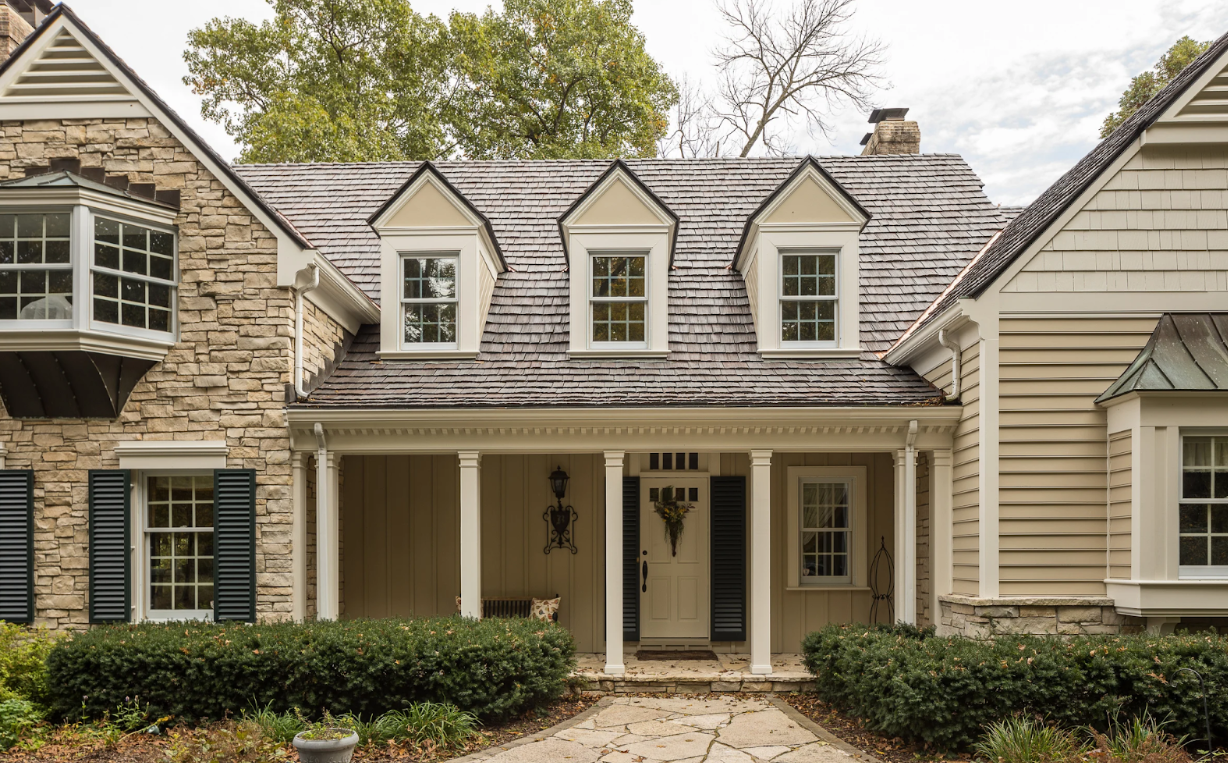
Even treated wood shakes carry more fire risk than Class A alternatives. Fire-resistant treatments degrade over time and require periodic reapplication. In wildfire conditions, a roof that was treated a decade ago offers meaningfully less protection than it did when new.
Maintenance
Cedar shake maintenance is ongoing and non-negotiable. It starts with debris removal from the roof surface and gutters, trimming back branches, and keeping vegetation clear. The surface itself needs periodic cleaning. Every couple of years, treatments for water repellency, fungicide, and algaecide need to be reapplied to maintain both appearance and fire-resistant properties. When individual shakes warp, crack, or rot, they need to be replaced. For more on what that process involves, see Brava's guide to cedar shake roof repair.
Cost
California cedar shakes cost between $6 and $15.50 per square foot for materials alone. Grade affects cost significantly. Straight grain (Level 1) is the most expensive and most resistant to warping. Level 2, or select cedar, contains 80% straight grain at a somewhat lower price. Level 3, or common grade, is the most affordable but the most prone to warping, curling, and higher long-term maintenance costs.
Labor adds $40 to $60 per hour, or roughly $2 to $7 per square foot. Because cedar shakes are installed piece by piece, the labor time and expertise required is higher than most other roofing materials. A professional roof cleaning runs approximately $765 on average, with regional variation. Maintenance treatments every two to three years add to the long-term cost of ownership in a way that most homeowners underestimate when making the initial decision.
Moisture and Mold
Cedar shake is prone to holding moisture, which creates conditions for mold growth and rot, particularly in coastal areas, the Bay Area, and Northern California's wetter climates. Without regular treatment and maintenance, the timeline to significant degradation is shorter than most product warranties suggest.
What About Fire-Treated Wood Shakes?
Some fire-treated shakes may meet code in certain jurisdictions, but the window where they're both legal and insurable has narrowed significantly. Their fire resistance degrades over time and requires reapplication. They remain susceptible to moisture, rot, and insects. And in most WUI zones and high fire hazard severity zones across California, they don't meet the Class A threshold required by code.
The practical reality is that fire-treated wood shake is a product that satisfies neither the performance requirements of high-risk areas nor the cost and maintenance concerns of most homeowners. It occupies a narrowing middle ground that fewer California jurisdictions accept each year.
The Alternative: Composite California Cedar Shake
For homeowners who want the cedar shake aesthetic without the fire risk, the legal complications, or the maintenance burden, composite cedar shake is the direct answer. It's the material the insurance companies can't deny, the building departments in WUI zones can approve, and the one that actually holds up over time without the ongoing cost of upkeep.
Composite shake roofing tiles are made from recycled materials and engineered to replicate the hand-split texture, dimensional variation, and natural weathering look of real cedar. The difference is in what they don't do: they don't burn readily, they don't rot, they don't absorb moisture, and they don't require periodic chemical treatment to stay compliant.
Brava Composite Cedar Shake: Built for California
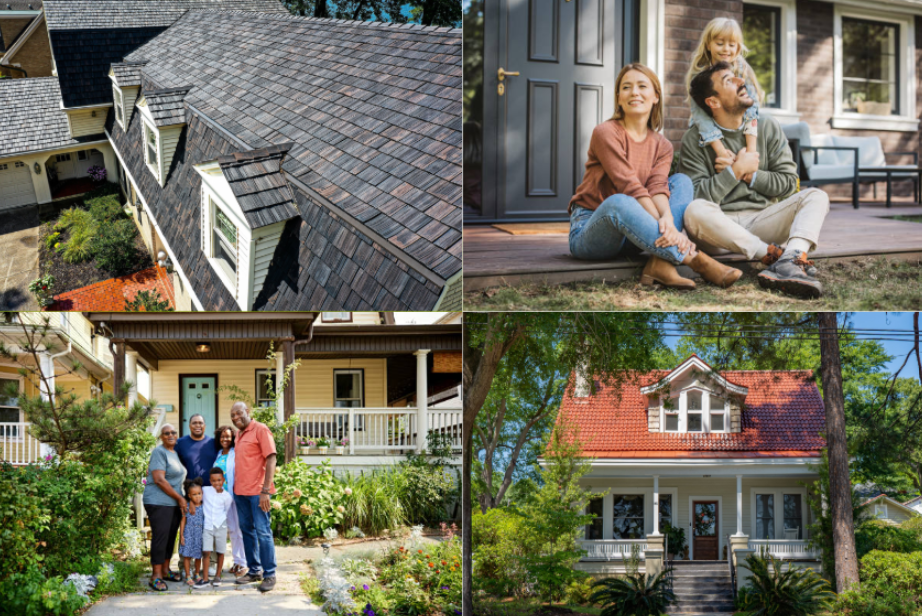
Brava's composite cedar shake tiles are molded from actual wood to replicate the hand-split texture with tiles coming in three widths and two thicknesses, giving them the authentic dimensional appearance that flat manufactured products don't achieve. Each tile is different, which is what makes a cedar shake roof look like a cedar shake roof.
For California homeowners specifically, the performance specs matter as much as the aesthetics.
Class A fire rating: the highest fire resistance available, meeting WUI code requirements across California
Class 4 impact rating: the highest impact resistance available
Wind resistance: rated to 188 MPH with nail installation, 211 MPH with high wind/screw installation
50-year limited warranty
Made from 100% recycled materials, recyclable again at end of life
Virtually maintenance free: no sealing, staining, or chemical treatment required
Lightweight: no structural reinforcement required
Title 24 Cool Roof Compliance
California's Title 24 energy code requires cool roof certified products in many of the state's 16 climate zones. Zones 4 and 8 through 15 require cool roof compliant products for new construction or when replacing more than half a roof. Zones 1 through 3 and 5 through 7 don't have this requirement.
Brava offers two Title 24-certified cool roof color options for cedar shake: Woodland, a weathered-looking gray with darker striations, and Driftwood, a deep brown with hints of gray and black. If your home falls in a zone where cool roof compliance is required, these are the colors to specify.
Color Options
Beyond the two cool roof options, Brava's composite cedar shake comes in 14 colors total, ranging from lighter natural cedar tones to deeper weathered grays and browns. For California homes where the neighborhood aesthetic leans toward traditional or Craftsman architecture, options like New Cedar and Light Arendale complement common exterior palettes. For coastal and mountain properties, the weathered tones tend to look most natural in context.
Getting Cedar Shake in California the Right Way
The look of cedar shake is one of the most requested aesthetics in California residential roofing. The legal and practical barriers to using the real thing are real and in most parts of the state, they're insurmountable. Composite shake removes those barriers entirely.
Brava has made it possible for California residents to have the cedar shake look without wildfire liability, code violations, or insurance complications. The composite products meet the highest fire ratings available, work in every California climate zone, and are built to last 50 years without the maintenance overhead that real cedar demands. Contact Brava today to learn more, request samples, or get a quote.
Frequently Asked Questions
Are wood shake roofs legal in California?
In most of California, untreated wood shake roofs are illegal. Following the 1991 Oakland Hills Firestorm, California progressively tightened wood roofing restrictions. Since 2001, no untreated wood roofing products can be legally sold in the state, and fire-resistant treatment became mandatory under Title 24. Homes with untreated wood shake were required to replace them by August 2012. In WUI zones and Very High Fire Hazard Severity Zones, which cover large parts of Southern California, the foothills, and areas bordering wildland, wood roofing is effectively banned regardless of treatment level because Class A fire rated assemblies are required and treated wood shakes rarely meet that standard.
Can I get a California cedar shake roof today?
For most California homeowners, the practical answer is no, at least not with real wood. Even where fire-treated wood shake technically meets minimum code requirements, most insurance carriers in California's current market won't cover homes with wood roofing or charge prohibitive premiums. In WUI zones it's simply not permitted. The alternative most California homeowners choose is composite cedar shake, which replicates the look of real wood with Class A fire ratings, minimal maintenance, and full insurability.
What is the best alternative to wood shake in California?
Composite cedar shake is the most direct alternative. It's engineered to replicate the hand-split texture and dimensional variation of real cedar shake, comes in a range of colors including Title 24-certified cool roof options for applicable climate zones, and carries Class A fire ratings that satisfy both California building code and insurance requirements. Brava's composite cedar shake is one of the most widely specified options for California homeowners making this transition.
How much does a wood shake roof cost in California?
Natural cedar shake materials range from $6 to $15.50 per square foot depending on grade. Labor adds $40 to $60 per hour, or $2 to $7 per square foot. On top of installation, cedar shake requires regular professional cleaning (around $765 on average) and chemical treatments every two to three years to maintain fire-resistant properties and structural integrity. The total cost of ownership over a 20 to 25 year lifespan is significantly higher than the upfront installation cost suggests. Composite cedar shake has higher initial material costs but eliminates most of the ongoing maintenance expense.
What California climate zones require cool roof products?
California's Title 24 energy code requires cool roof certified products in Climate Zones 4 and 8 through 15 for new construction or when re-roofing more than half of an existing roof. Zones 1 through 3 and 5 through 7 do not have this requirement. For composite cedar shake specifically, Brava offers two Title 24-certified cool roof colors, Woodland and Driftwood, that satisfy the requirement in applicable zones.