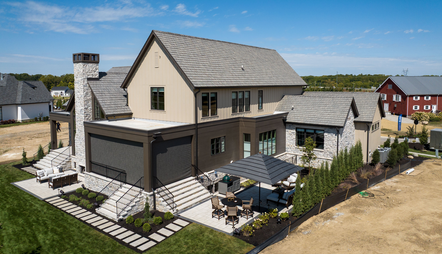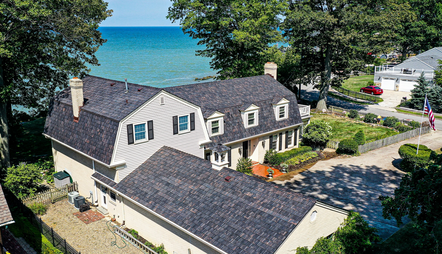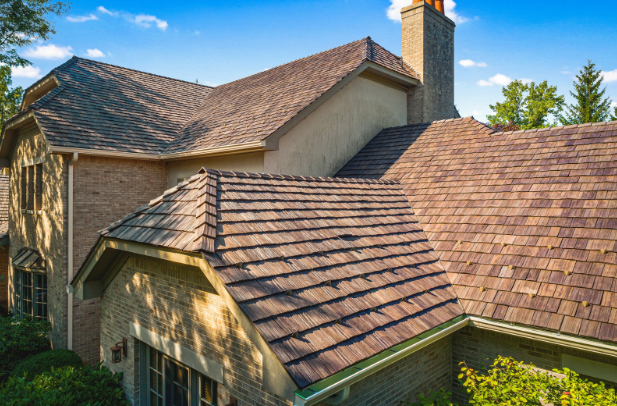
Cedar shake roofs are known for their timeless look and natural insulation. With their warm texture and rustic charm, they bring lasting character to a home. But over the years, constant exposure to sun, rain, snow, and wind can wear them down. Leaks, cracks, or curling shakes are all signs that repairs may be needed.
If your cedar shake roof is showing signs of wear, it’s best to take care of the damage sooner rather than later. Quick action can help prevent bigger issues down the road. This guide explains how cedar shake roof repair works, what signs to look out for, and when it might make sense to consider other options.
What Causes Damage to Cedar Shake Roofs?
Cedar holds up well against the elements, but it does have natural limits. Moisture from rain and snow can cause shakes to rot, especially in shady or damp spots. UV rays dry out the wood over time, leading to cracks and splits. Hail and high winds may loosen or break off individual shakes. Wildlife and insects—like squirrels or termites—can also create weak spots that let in water.
Sometimes the problem starts with how the roof was installed. Without proper spacing or airflow beneath the shakes, trapped moisture can lead to mold, mildew, and wood decay. Poor ventilation also shortens the roof’s overall lifespan.
How to Know If Your Cedar Shake Roof Needs Repair

It’s easy to notice damage like missing shakes or visible leaks inside your home. But not every problem is that obvious. Look for dark patches, soft wood, moss growth, or even a bump in your energy bills—all of which can point to water getting through.
Inspect your roof once a year, especially after heavy storms. Walk around your home and look for signs of trouble: shakes that have curled, discolored patches, flashing that’s peeling back, or damp spots in your attic. These are all signs it’s time to repair.
Repairing a Cedar Shake Roof
The repair process starts with a full inspection. This helps you figure out what needs to be fixed now and what might need attention soon. You can check things yourself if you’re comfortable on a ladder, but many homeowners bring in a roofer for a closer look.
Damaged shakes are gently removed with hand tools to avoid disturbing nearby ones. New shakes that match the size and shape of the originals are then installed in their place. Nails are placed so they’re hidden by the overlapping shakes above, helping keep water out.
It’s also important to look underneath the surface. If the layer beneath the shakes (called the underlayment) is damaged, or if the metal pieces that seal the edges (flashing) have pulled away, those need to be repaired too. These areas are where leaks often start.
Some people ask about sealing cedar shakes, but the answer depends on your roof. Some cedar is meant to weather naturally and doesn’t need a coating. Other types benefit from a treatment to help resist drying out or attracting mildew. A roofing expert familiar with cedar can help you make the best choice.
Repair or Replace? Knowing When It’s Time

A cedar shake roof can last 20 to 40 years with care. But if you’re calling for repairs every year, or if there’s wide-spread damage, a replacement might make more sense.
If your roof is starting to sag, if water keeps getting into your attic, or if the shakes feel spongy or brittle to the touch, it could be time for a new roofing system altogether.
Preventing Future Damage
Regular upkeep helps your cedar roof last longer. Clear your gutters so rainwater doesn’t back up. Cut back tree branches to let your roof dry faster after a storm. Remove leaves, moss, or any buildup that might trap moisture.
Having a roofer inspect your roof once a year, or after big storms, can help catch problems early. This kind of care helps you avoid surprise repairs and protects the investment you’ve made in your home.
A Smarter Alternative: Composite Cedar Shake from Brava
For those who love the natural look of cedar but want something that holds up better over time, Brava’s composite cedar shake tiles are a smart option. These synthetic shakes have the texture and depth of real cedar but won’t crack, rot, or fade. They’re made with recycled materials and built to last, without the same level of upkeep.
Brava shakes also resist mold and insects, and they come in a variety of colors to match your home’s style. You’ll get the look of real cedar, without needing to climb on your roof year after year to keep it in shape.
Taking Care of Your Roof, and Your Home
Fixing cedar shake roof damage early helps protect the rest of your home from water and weather problems. With the right repair approach, you can get many more years of life from your roof.
Stay on top of maintenance, watch for signs of trouble, and don’t wait too long to make repairs. And if you’re thinking about a change, Brava’s composite shakes offer the charm of cedar with far fewer maintenance needs—something today’s homeowners can really appreciate.
To learn more about Brava’s composite cedar shake tiles or to find a roofing professional near you, Contact Brava today. Our team is here to help you explore your options and choose a roof that looks great and lasts for years to come.