Routine and timely cedar shake roof maintenance, including inspection, cleaning, treatments, and repair, will protect your investment for 30 years or more. Neglecting the roof will significantly decrease its longevity and aesthetic value. Due to the dangers of working on a roof and the complexity of cedar roof maintenance, you should hire a professional roof contractor.
The Cost of Cedar Shake Roof Maintenance
The cost of cedar shake roof maintenance varies depending on the location, roof style, extent of damage, and the shake’s quality. Typically, a contractor will charge $750 to repair a wood shake roof, and between $0.21 and $0.34 per square foot to clean a cedar shake roof. It may seem expensive, but replacing a cedar shake roof can cost $600 to $670 per square or between $18,000 and $20,000 for a 3,000-square-foot shake roof. Here are nine things you need to know about shake roof maintenance:
1. Protective Treatments
Cedar shingle maintenance must include protective treatments every one to three years. Without treatments, cedar shakes can degrade, buckle, rot, and even burn. To protect and preserve your roof, every few years, professionally apply water and fire repellents, fungicides, and algaecides to the shingles.
2. Remove Overhanging Branches
Wood shingle roof maintenance requires you to remove all overhanging branches. Removing the hanging branches allows the roof to dry faster, reducing the chance of harmful mold. Removing branches also significantly decreases the likelihood of a tree falling on the roof and either damaging it or setting it on fire.
3. Removing Debris
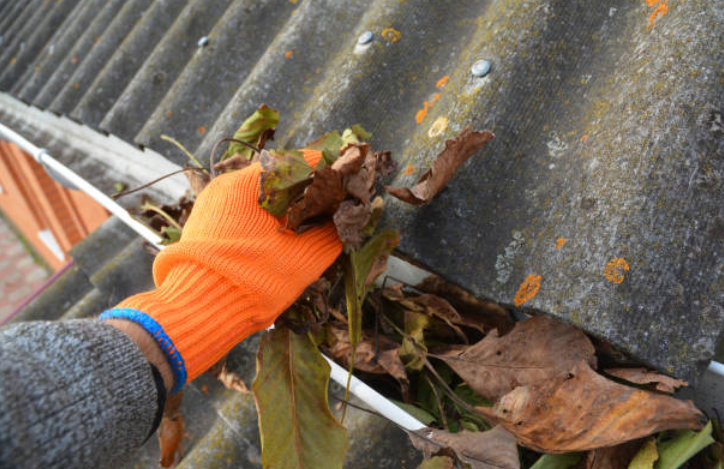
You must remove all the leaves, pine needles, and sticks from your cedar wood roof as part of your regular shake roof maintenance. Debris retains moisture that breeds wood-destroying fungus that weakens the shingles, leading to expensive repairs and a shorter lifespan for your roof.
4. Power Washing
Proper wood shake roof maintenance must include a professional power wash cleaning every few years. Power washing will remove moss, debris, lichens, and weaker wood. Power washing not only improves your roof’s appearance but also helps to maintain the strength and integrity of the roof.
5. Gutter Maintenance
Gutters on a roof move water away from your house so that the moisture won’t harm the roof or foundation. If you don’t clean the gutters, water will build up and ultimately degrade your wood cedar roof. Your roof’s integrity depends on cleaning your gutters as part of your regular cedar roof maintenance.
6. Cleaning and Inspection
A cedar roof can last 30 or more years with regular inspection and maintenance. If you neglect regular maintenance, your roof will probably need replacement after 15 years. You should inspect your roof for damage, debris, and mold twice a year (Spring and Fall) and after a hailstorm, severe wind event, or snowstorm. To ensure longevity and restore your cedar roofing’s warm color, a professional should clean the roof every five to seven years. Cleaning and inspecting your roof on time will protect your investment for years to come. Likewise, cedar shake siding maintenance is just as important.
7. Pest Control
Pests, like squirrels and rats, will invade your home through missing and broken cedar shingles. Once inside your attic or walls, these noisy pests can cause extensive damage. They can chew on wood (leading to expensive repairs), electric wires (causing potential fire hazards), and eave troughs (resulting in water damage). They also carry disease and odor. Therefore, to limit problems to your home’s structure and protect your family’s health from pests, you must immediately hire a professional to repair or replace damaged or missing cedar shakes.
8. Rotting Shingles

Cedar shingles have natural water-resistant qualities. However, they may still develop wood rot if the wood’s moisture level rises above 20 percent, when damaging fungi can form. Regular maintenance can protect against rotting shingles through treatments and regular inspections for fungus and algae. If you discover fungus on your roof, you must promptly hire a professional to repair or replace the affected area.
9. Cracks
It is vital to carefully inspect for cracks as part of cedar shingle roof maintenance. Cracks can occur in a cedar roof because wood naturally expands and contracts from moisture exposure and temperature fluctuations, which can lead to small cracks on the surface. If you begin to notice the cracks or splits growing, you need to call a professional to repair or replace the damaged shingles.
Cedar Shake Roof Lifespan
One of the most common questions homeowners ask is how long a cedar shake roof will actually last. The answer depends almost entirely on how well you keep up with cedar shake roof maintenance.
With diligent, consistent care, a high-quality cedar shake roof can last 30 to 40 years. This means staying on top of treatments, inspections, cleaning, and prompt repairs. However, if maintenance is neglected or inconsistent, that lifespan can drop dramatically to just 15 to 20 years.
How Does Quality Impact the Lifespan of a Cedar Shake Roof?
The quality of the original shakes also plays a significant role. Premium-grade cedar shakes, often labeled as No. 1 grade, are thicker, more uniform, and more resistant to the elements than lower grades. If your home has lower-grade shakes, you may find that even with excellent maintenance, the roof doesn’t last as long as you’d hoped.
How Does Installation Impact Cedar Shake Roof Lifespan?
Installation quality matters too. Shakes that were installed with proper spacing, appropriate fasteners, and adequate underlayment will perform better over time. Poor installation can lead to premature cupping, splitting, and moisture infiltration, no matter how well you maintain the surface.
How Climate Affects Cedar Shake Roof Maintenance

Where you live has a major impact on your cedar shake roof maintenance schedule and the overall health of your roof. Different climates present different challenges, so it’s important to know what you’re up against and how to manage it.
Humid and Rainy Climates
If you live in the Pacific Northwest or another region with frequent rain and high humidity, moisture is your biggest enemy. Cedar shakes in these areas are more prone to moss, algae, and fungal growth. You’ll likely need more frequent treatments and cleanings, potentially every one to two years instead of every three to five.
Hot and Dry Climates
In arid regions like the Southwest, cedar shakes face a different challenge. Intense sun and low humidity can dry out the wood, causing it to crack, curl, and become brittle. Regular applications of wood preservatives and UV protectants are essential to prevent premature aging.
Cold and Snowy Climates
Freeze-thaw cycles are particularly hard on cedar shakes. Water seeps into small cracks, freezes, expands, and widens the damage over time. If you live in a region with harsh winters, thorough fall inspections and prompt repairs before the first freeze are critical to preventing winter damage.
Coastal Climates
Salt air and high winds create a challenging environment for cedar roofs. Salt can accelerate wood degradation, and strong coastal winds can lift and damage shakes. More frequent inspections and protective treatments are necessary in these areas.
Signs Your Cedar Shake Roof Needs Attention
Knowing what to look for during your regular inspections can help you catch problems early. Here are the key warning signs that your roof may need repairs or more intensive maintenance:
Curling or Cupping: When shakes begin to curl at the edges or cup in the middle, it’s a sign that they’re drying out and losing their structural integrity.
Splitting and Cracking: Small surface cracks are normal, but deep splits that run the length of a shake indicate serious deterioration.
Dark Staining or Discoloration: While cedar naturally weathers to a silvery gray over time, dark patches or streaks often indicate moss, algae, or fungal growth.
Missing or Loose Shakes: If shakes are falling off or have become loose, it’s a sign of either fastener failure or wood deterioration around the nail holes.
Soft or Spongy Wood: If shakes feel soft when pressed, rot has set in.
Interior Water Stains: Water spots on your ceiling or in your attic are a clear sign that your roof is no longer keeping moisture out.
When to Repair vs. When to Replace Your Cedar Shake Roof
As your cedar shake roof ages, you’ll eventually face the question of whether to continue investing in repairs or commit to a full replacement. Here’s how to think through that decision.
When Repair Makes Sense
Repair is typically the right choice when damage is limited to a small area or a handful of shakes. If the majority of the roof is still in good condition with no widespread curling, splitting, or rot, targeted repairs can extend your roof’s life significantly.
Roofs that are less than 20 years old and have been well-maintained are usually good candidates for repair. The same applies when flashing or other components need attention, but the shakes themselves remain sound.
When Replacement Makes Sense
Replacement becomes the smarter investment when more than 25 to 30 percent of the shakes show signs of significant deterioration. If repairs have become frequent and costly, it often suggests the roof is nearing the end of its life cycle.
You should also consider replacement when the roof deck beneath the shakes shows signs of water damage or rot, or when the roof is approaching or has exceeded its expected lifespan, even with good maintenance. If you find yourself scheduling repairs every year or two, it may be more cost-effective in the long run to invest in a new roof rather than patching an aging system.
A Better Alternative: Synthetic Shake Roof Tiles from Brava
There’s no discounting the beauty and rustic appeal of cedar shake, so ditch all of the headache maintenance and go synthetic! Brava offers exquisite cedar shakes that emulate the natural look and endure for decades with minimal repair and upkeep requirements.
Protected by a 50-year warranty, you can rest assured that our synthetic shakes remain resilient, free from splitting, denting, or cracking, even in the face of strong winds, hail, or snowstorms. This safeguard protects your home and roof from potential water and pest damage.
Brava cedar shake roof tiles also boast resistance against mold due to their non-absorptive nature. These roofing tiles retain their structural integrity even in the face of extreme heat and the challenges posed by freeze/thaw cycles. Crafted from recycled materials, our synthetic cedar shake roofing embodies sustainability at its core.
The Brava Difference

Choosing Brava’s synthetic cedar shakes represents a prudent decision, offering a more dependable and lower-maintenance alternative to a natural shake roof, with 11 colors to match any aesthetic. We’re proud of our color story, which helps homeowners pair excellence in durability with ideal color options.