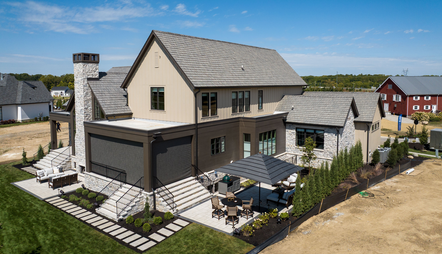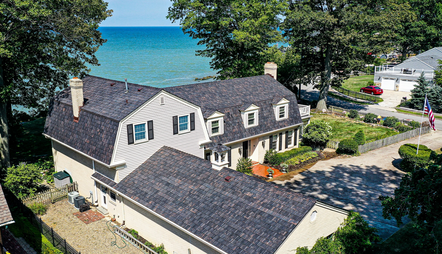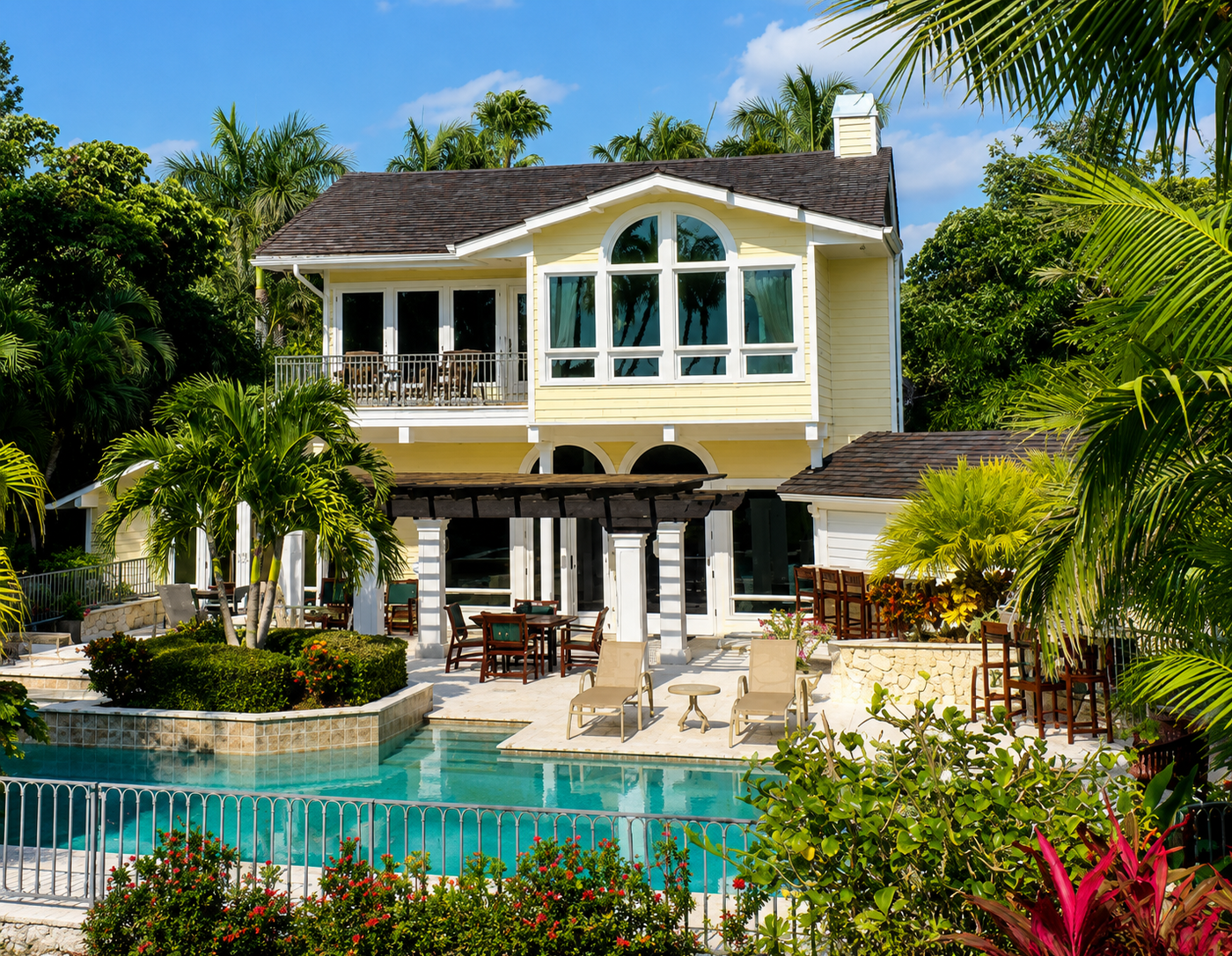
The concept of cool roofing is not new. A review of buildings constructed in the hotter regions of the world will show that lighter colored roofs have been a part of residential construction design for thousands of years. Lighter colors reflect heat and keep the building cooler. Modern science has discovered that there are properties of roofing, besides color, that can reduce heat buildup in a home or office. That discovery led to the development of Title 24 roof shingles.
California's Title 24 cool roofing requirements began in 1978 as air quality stressed the power grids and heat buildup in urban areas became significant. The program was aimed at utilizing more energy-efficient products on both residential and commercial buildings to reduce the impact on the environment and increase the comfort of property owners. After 2010, the cool roof requirements affected all 16 climate zones of the state in some way. The most recent update, adopted in 2022, refined minimum performance thresholds and expanded the scope of applicable projects. Brava Roof Tile has Cool Roof Rating Council (CRRC) certified products that meet California's Title 24 requirements.
What Is Title 24 for Roofing?

Title 24 is California's Building Energy Efficiency Standards, a part of the California Code of Regulations. Part 6 of Title 24 specifically governs the energy performance of buildings, including roofing systems. The roofing component of Title 24 Part 6 establishes minimum reflective performance requirements for roof products used in new construction and qualifying re-roofing projects throughout California.
The goal is straightforward: roofs that reflect more solar energy and emit heat more efficiently reduce cooling loads on buildings, which lowers energy consumption, reduces peak demand on the electrical grid, and mitigates the urban heat island effect that makes California's cities hotter than surrounding rural areas.
Title 24 roofing requirements apply to both residential and nonresidential buildings. The specific thresholds vary by climate zone and roof slope.
Does Title 24 Apply to Residential Buildings?
Yes. Title 24 Part 6 applies to residential buildings when any of the following conditions are met:
A residential building replaces or recoats 1,000 square feet or more of roof surface.
A residential building replaces or recoats more than 50% of the roof.
New residential construction on any roof type or slope.
Additions or alterations to existing residential properties that involve the roof.
For nonresidential buildings, the threshold is 2,000 square feet of replaced or recoated roof surface, or more than 50% of the roof. The code also applies to commercial properties undergoing additions or alterations.
The practical takeaway for California homeowners: if you're replacing more than half your roof or doing a full replacement, Title 24 cool roof compliance is required in applicable climate zones. If you're patching or doing minor repairs under the thresholds, it may not apply, though local jurisdictions can set stricter requirements.
What Qualifies as a Cool Roof Under Title 24?
The part of Title 24 related to roofing products is Part 6, which sets minimum performance requirements across three measurements:
Solar Reflectance
Solar reflectance measures the fraction of solar energy reflected by the roof surface, expressed as a value between 0 and 1. A value of 1 means all solar energy is reflected. Cool roof requirements set minimum initial and aged (three-year) solar reflectance values that products must meet or exceed. Aged reflectance matters because roofing products lose some reflective performance over time, and the three-year measurement captures real-world performance rather than just factory conditions.
Thermal Emittance
Thermal emittance measures the roof's ability to release absorbed heat, also expressed as a value between 0 and 1. A roof with high thermal emittance radiates heat away from the building efficiently. A roof with low thermal emittance holds heat in the material and transfers it into the building structure. Title 24 sets minimum thermal emittance thresholds to ensure products that absorb some solar energy don't retain it.
Solar Reflective Index (SRI)
The Solar Reflective Index combines solar reflectance and thermal emittance into a single number that represents a roof's overall ability to reject solar heat. Higher SRI values indicate better cool roof performance. Some Title 24 compliance pathways allow SRI to be used in place of separate reflectance and emittance measurements.
CRRC Certification
Roof products must have the approval of the Cool Roof Rating Council (CRRC) to be certified as Title 24 compliant. The CRRC is a nonprofit organization established in 1998 to develop credible methods for evaluating a roofing product's reflective performance and to share that information publicly. Products are tested independently and listed in the CRRC Rated Products Directory, which is the authoritative reference for confirming whether a specific product meets Title 24 requirements in your climate zone.
Which California Climate Zones Require Cool Roofs?
California is divided into 16 climate zones for Title 24 purposes. Cool roof requirements apply differently depending on zone and roof slope. The 2022 Title 24 update maintained and in some zones tightened minimum performance thresholds from previous code cycles.
The zones where cool roof requirements apply most broadly to residential steep-slope roofing (the kind most homeowners have) are Zones 2 through 15, with the most stringent requirements concentrated in the hot inland and Southern California zones. Zones 1, 16, and some high-altitude zones have different or reduced requirements because cooling loads are less dominant in those climates.

LA County Cool Roof Requirements
Los Angeles County generally follows Title 24 baseline requirements for cool roofing, but several LA-area jurisdictions have adopted supplemental requirements or green building programs that go beyond the state minimum. The City of Los Angeles, for example, has incorporated cool roof requirements into its Green Building Code that can apply to projects not covered by Title 24's standard thresholds.
For homeowners in unincorporated LA County and in cities like Long Beach, Pasadena, and Santa Monica, it's worth verifying with your local building department whether any city-specific requirements apply to your project in addition to Title 24. The state code is the floor, not the ceiling, and several high-heat LA-area communities have pushed requirements further.
In practice, choosing a CRRC-certified product with Title 24 compliant ratings in Zone 9 or Zone 10 (which cover most of LA County's populated areas) will satisfy both the state requirement and most local requirements. The specific performance thresholds for Zone 9 steep-slope residential are a minimum initial solar reflectance of 0.20 and minimum thermal emittance of 0.75, or a minimum SRI of 16.
What Are the Benefits of a Cool Roof in California?
There are several benefits that can be enjoyed by installing cool roof shingles:
Potential savings of thousands of dollars over a thirty-year period through reduced cooling costs.
Reduced wear and tear on your AC system, resulting in longer life and lower maintenance costs.
Extending the life of your roof by reducing thermal stress and UV degradation from heat absorption.
Reduced peak energy demand, which benefits the broader electrical grid and can qualify for utility incentives in some California service territories.
Contribution to reducing the urban heat island effect, which directly affects outdoor comfort and air quality in California's cities.
Are There Disadvantages to a Cool Roof?
Cool roofs are widely recommended for California's climate, but it's worth understanding the tradeoffs before committing to specific products.
In heating-dominated climates or during California's cold winter months, a highly reflective roof reflects away solar heat that would otherwise help warm the building, which can slightly increase heating costs. This is why cool roof requirements are reduced or absent in California's colder climate zones (Zones 1, 16, and high-elevation areas). For most of California's populated regions where cooling costs dominate the energy bill, the benefit outweighs this tradeoff significantly.
Some contractors suggest cool roof products underperform in appearance over time because the reflective coatings on some products can show dirt and discoloration more visibly than darker materials. This is a valid concern for certain coating-based products, but it's less relevant for roofing materials that achieve their cool roof performance through material composition rather than surface coating, which is how Brava's composite tiles achieve compliance.
Brava's Title 24 Compliant Roofing Products

Brava continually strives to be at the forefront of composite and synthetic roof tile manufacturing in the U.S. and Canada, and developing a line of cool roof products aligns perfectly with this goal. Our focus on increasing the energy efficiency of the building envelope means we offer both cedar shake and barrel tile options that are certified as cool roof products.
Cool Roof Cedar Shake Options
Brava's Woodland and Driftwood Cedar Shake colors are made from 100% recycled material and are CRRC compliant. Both carry the 50-year limited warranty and give your roof the natural rugged look of a real cedar split shake without the high maintenance costs, fire risk, or legal restrictions associated with real wood shake in California. These are the two options to specify when your project requires Title 24 cool roof compliance in applicable climate zones.
Cool Roof Spanish Barrel Tile Options
Brava's Spanish Barrel Tiles in Terra Cotta and French Clay meet CRRC requirements and can be used in California to meet cool roof specifications. Imitating the beautiful design of clay tiles found on many Mediterranean-style homes, our barrel tiles are lightweight in comparison and do not require the added expense of additional roof structure support. Brava's Spanish Barrel Tile is also the only third-party tested and Miami-Dade County-approved synthetic barrel tile on the market.

ENERGY STAR Certification
Brava's four CRRC and Title 24 compliant synthetic roof tiles are also ENERGY STAR certified, which matters for California residents. ENERGY STAR certification can qualify homeowners for federal energy tax credits and utility rebate programs in some California service territories. It also provides an additional independent verification of the product's energy performance beyond the CRRC rating alone.
We are always ready to help you with online resources including PDFs, videos, and product documentation. Free samples of our shingles are available to help you design the perfect cool roof.
Ready to Choose a Title 24 Compliant Roof?
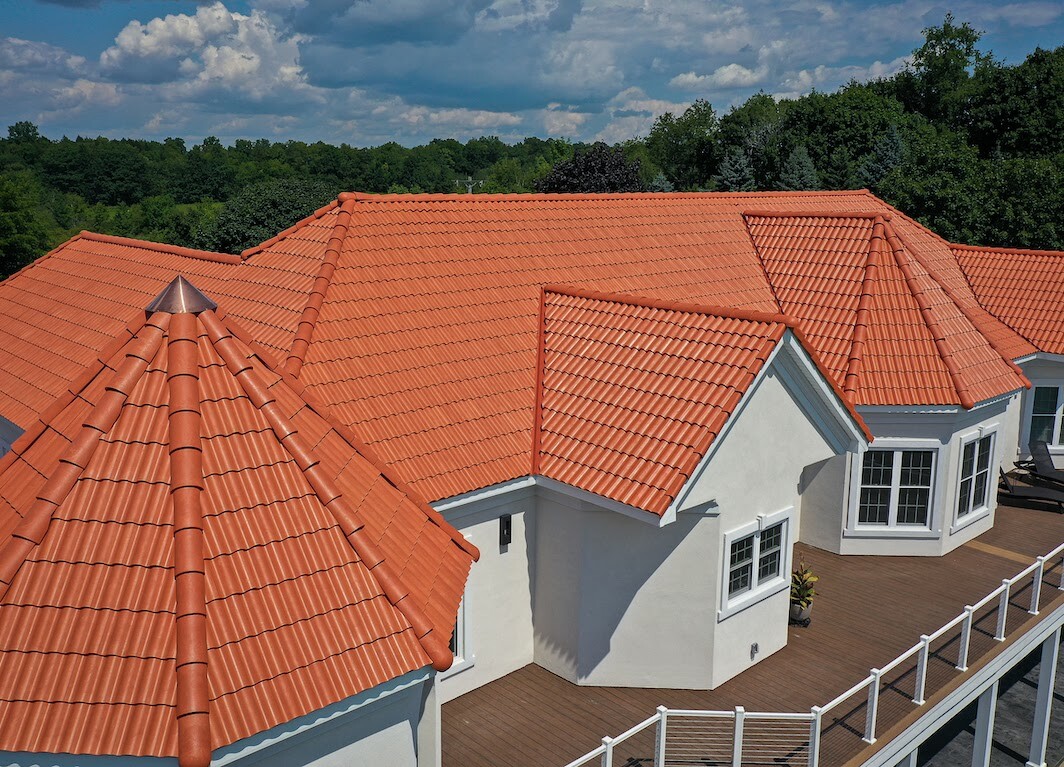
Building new, replacing a roof at end of life, or re-roofing a project that triggers Title 24 compliance? Brava's composite tile systems give you CRRC-certified options in profiles that look like cedar shake, slate, and Spanish barrel tile. Contact us today for more information on our complete line, or request a quote to get started.
Frequently Asked Questions
What is Title 24 for roofing?
Title 24 is California's Building Energy Efficiency Standards. The roofing portion, covered under Part 6, establishes minimum solar reflectance, thermal emittance, and Solar Reflective Index (SRI) requirements for roof products used in new construction and qualifying re-roofing projects. Products must be tested and certified by the Cool Roof Rating Council (CRRC) to be considered compliant. The goal is to reduce heat absorption in buildings, lower cooling costs, and reduce peak demand on California's electrical grid.
Does Title 24 apply to residential roofing?
Yes. Title 24 Part 6 applies to residential buildings when replacing or recoating 1,000 square feet or more of roof surface, replacing more than 50% of the roof, building new construction, or performing additions and alterations involving the roof. If you're doing a partial repair under those thresholds, compliance may not be required, though local jurisdictions can impose stricter requirements.
What climate zones require cool roofs in California?
Cool roof requirements apply most broadly in California's warmer and hotter climate zones, generally Zones 2 through 15, with the most stringent performance thresholds in the hot inland zones (11 through 15). Zones 1, 16, and some coastal zones (5, 6, 7) have reduced or no requirements for steep-slope residential roofing because cooling loads are not dominant in those climates. Your local building department can confirm the exact requirements for your zone and project type.
What are the LA County cool roof requirements?
LA County generally follows Title 24 baseline requirements. Most of LA County falls in Climate Zones 9 or 10, where Title 24 requires a minimum initial solar reflectance of 0.20 and minimum thermal emittance of 0.75 for steep-slope residential roofing, or an equivalent SRI of 16. Several LA-area cities, including Los Angeles itself, have adopted green building codes that can impose additional requirements beyond the Title 24 baseline. Always verify with your local building department before specifying products.
Are cool roof shingles worth it in California?
For most California homeowners, yes. In the climate zones where cool roof requirements apply, the products are simply what the code requires. Beyond compliance, the energy savings from reduced cooling loads are real, particularly in Southern California and inland areas where air conditioning runs most of the year. Utility incentives in some California service territories can offset incremental product costs. The tradeoff of slightly reduced passive solar heat gain in winter is generally outweighed by summer cooling savings in California's warmer zones.
Which Brava products meet Title 24 cool roof requirements?
Brava currently offers four CRRC-certified and Title 24 compliant products: Woodland Cedar Shake, Driftwood Cedar Shake, Spanish Barrel Tile in Terra Cotta, and Spanish Barrel Tile in French Clay. All four are also ENERGY STAR certified. For projects in climate zones that require cool roof compliance, these are the Brava colors to specify. For zones where compliance is not required, the full color range across all three profiles is available.