The climate changes every year, with weather becoming more extreme and destructive, from torrential downpours that flood the streets to devastating wildfires that destroy acres of land and everything that stands in their path. While you can't prevent these natural disasters, you can protect your home.
When it comes to wildfires happening more frequently throughout the country, there is no better option than a Class A fire-rated roof. What is a Class A fire rated roof, and what's the best option?
What is a Class A Fire Rated Roof?
Today's roofing products can undergo a series of tests developed by the Underwriters Laboratories (UL) to determine their level of fire resistance and how fast the fire spreads. Once tested, the UL assigns the products a rating, referred to as a 'class', with three possible classifications: A, B, or C.
Class A fire ratings are the highest ratings products can receive, meaning they offer the most protection from fire. More specifically, a Class A rating is earned when the following three criteria are met:
1. Flame spread resistance: The material must be able to resist flame spread across its surface.
2. Fire penetration resistance: Materials must resist fire penetration from exterior to the underside of the roof's decking.
3. Intermittent flame resistance: Materials must resist intermittent flame exposure.
The testing to determine a roof's rating is based on ASTM E 108 and UL 790, known as the Standard Test Methods for Fire Tests of Roof Coverings. The three tests include:
1. The Burning Brand Test: The Test simulates burning debris (a "brand") falling onto a roof to see if it catches fire or burns through. A Class A roofing product will support a burning brand of 12" by 12" and 4.4 pounds without losing its integrity.
2. Spread Flame Test: This test shows the speed and distance a flame spreads on the material's surface. Class A products have a maximum flame spread of 6 feet.
3. Intermittent Flame Test: With this test, the test material is exposed to a gas flame intermittently and must resist ignition for 15 cycles.
Stand-Alone vs. By-Assembly Ratings: A Critical Distinction
A Class A rating can be earned in two ways, and the difference matters when specifying products. A stand-alone Class A rating means the roofing material itself earns the designation regardless of what underlayment or sheathing is used beneath it. Truly noncombustible materials like clay and concrete tile typically earn stand-alone ratings. A by-assembly rating means the material only achieves Class A when installed as part of a specific tested system, using specified underlayment and sheathing combinations. The tile alone cannot claim the rating independent of the full assembly.
Composite and synthetic tiles, including Brava's products, achieve Class A ratings by assembly, which means the underlayment and sheathing specification matters. Brava's tested assemblies and Code Evaluation Report document which combinations are approved. Installing a Class A rated tile with a non-tested underlayment can invalidate the rating for code and insurance purposes. This is why assembly documentation matters as much as the product's fire rating label.
Benefits of Class A Fire Ratings
The benefits of a Class A fire-rated roofing material go beyond the element of fire protection, though that is a significant benefit, especially in wildfire-prone areas. Other benefits include:
Durability: If a roof has a Class A fire rating, it means it is made from high-quality, non-combustible materials that offer other durability benefits, such as resistance to impacts, moisture, winds, and more.
Energy Efficiency: Most roofing materials with Class A fire ratings use materials or are designed to reflect the sun's light, which helps regulate a home or building's temperature and can keep energy costs low.
Environmentally Friendly: Generally, Class A-rated materials are environmentally friendly, so choosing these products will not contribute to the growing waste problem.
Insurance Benefits: Investing in a fire-rated roof, especially with a Class A rating, also includes insurance benefits. These roofs can significantly reduce a homeowner's insurance premiums because they offer better protection and lower the home's risk of damage.
Aesthetics: A Class A fire rated roofing material typically offers various styles and colors, and can even mimic materials like cedar shakes, which aren't typically fire-rated.
Where you live increasingly determines whether Class A is optional or mandatory. In Wildland-Urban Interface (WUI) zones across California, Colorado, Oregon, and other fire-prone states, Class A roof assemblies are required by local building code under the International Wildland-Urban Interface Code and state-specific standards like California's Chapter 7A. Many insurance carriers in these markets now factor roof fire class into both eligibility and premium pricing. In high-risk areas, a documented Class A assembly isn't just a good idea. It's often a condition of coverage.
What Materials Are Fireproof?
With Class A fire ratings explained, choosing the best Class A fire-rated roofing material for your home is a matter of choice. There are a few options to consider, each with advantages and disadvantages.
Here's a quick comparison of Class A roofing materials by the most relevant criteria:
| Material | Rating Type | Lifespan | Cost/Sq Ft | Weight | Impact Rating |
|---|---|---|---|---|---|
| Composite Tile | By Assembly | 50+ years | $7–$14 | Light | Class 4 |
| Metal | Stand-alone | 40–70 years | $5–$16 | Light | Class 4 |
| Clay Tile | Stand-alone | 100+ years | $10–$25 | Very Heavy | Varies |
| Slate | Stand-alone | 100+ years | $10–$30 | Very Heavy | Class 4 |
| Asphalt Shingles | Stand-alone (most) | 25 years | $2–$5 | Light | Class 4 (some) |
Composite
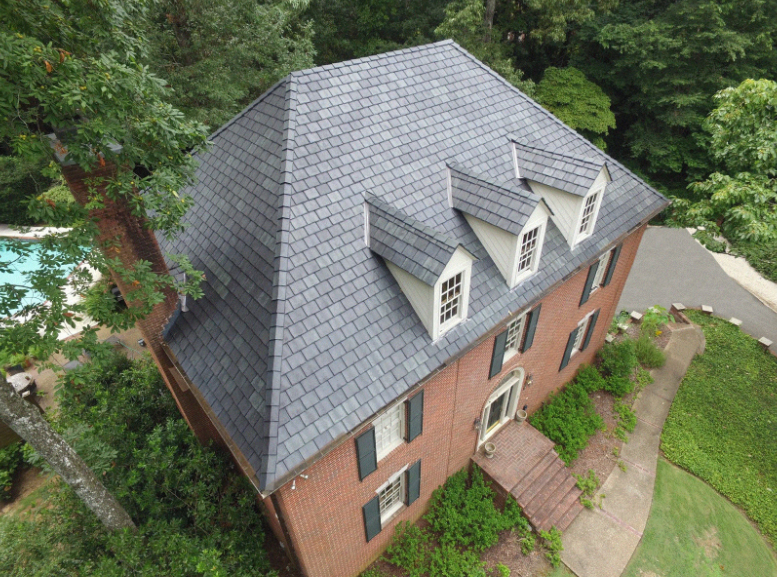
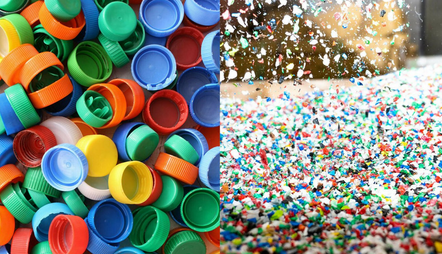
Another roofing material is composite roofing tiles, also called synthetic tiles. These tiles are made from 100% recycled plastics or other sustainable materials, molded into roofing tiles that resemble cedar shakes, slate, and clay or concrete tiles. Don't be fooled by the plastic composition; these tiles are a Class A fire rated material and can handle a great deal.
Beyond their Class A fire rating, synthetic tiles typically boast Class 4 impact ratings and can withstand hurricane-force winds. Their plastic composition means they're moisture resistant, so mold, algae, rot, etc., are not concerns. They can also often withstand freeze-thaw cycles and are highly energy-efficient, offering insulating and solar reflective properties.
Synthetic tiles are relatively easy to install and don't require a special professional. Installation costs are similar to metal roofing, at $7-$14 per square foot.
Metal
Metal roofing is a light material and offers a wide selection of options, from the type of metal to the roof style and various colors. Some even mimic slate, cedar shakes, and barrel-style roofing. While the durability of a metal roof can vary depending on the thickness of the material, there is no denying that metal roofing is a highly durable material. Beyond its fire resistance, it offers an average lifespan of 40 to 70 years.
These roofs are typically overall weather resistant, easily standing up to rain, snow, and sun. They are Class 4 impact-rated, the highest impact rating materials can earn. A metal roof is also wind resistant up to 140 mph, making it ideal for hurricane zones. Metal's reflectiveness also makes it very energy-efficient.
The initial cost of a metal roof can range from $5 to $16 per square foot installed. It requires a metal roof expert, which may add to the cost. Thinner gauge roofs are also more likely to dent from small impacts, and hail, in general, will make for a noisy roof unless it is well insulated.
Clay
Clay roofing tiles have been around for centuries, and the various homes and structures across the Mediterranean are a testament to their longevity; they can last up to 100 years or more. This lifespan speaks to their durability; they are, of course, a Class-A fire rated roof, and are also highly weatherproof, capable of withstanding wind, water, and ice. They also won't absorb moisture, which makes them more resistant to mold growth.
Beyond fire resistance and durability, clay tiles are an energy-efficient option that helps keep homes comfortable, especially in the heat of summer. However, clay tiles have drawbacks: they weigh a significant amount and require substantial support to prevent a potential roof collapse. They are also costly, even without structural support considerations, at around $10 to $25 per square foot. You will also need a clay roof expert, as clay tiles are not easy to work with.
One consideration specific to fire performance: barrel-profile clay tiles have gaps between the tile and the deck at ridges and eaves. These openings can allow burning embers to accumulate in concealed spaces, where they can ignite the underlayment or structural members below. This is called ember intrusion and it can compromise fire performance even with a Class A rated tile. Proper bird stopping (sealed closures at these gaps) and regular debris clearing from valleys and gutters are important maintenance steps for clay tile roofs in fire-prone areas.
Slate

Slate tiles are another material that has been around for a while and offers a long lifespan, up to 100 years, with the proper care. Slate is a natural Class A fire rated roofing material that offers a sophisticated and elegant appearance. Aside from the fire resistance, they are Class 4 impact resistant and highly weatherproof, well-suited to virtually every climate.
Unfortunately, much like clay roofing tiles, slate tiles are very heavy and need the appropriate support. They are also the most expensive roofing option, at $10 to $30 per square foot, without considering any additional costs. These tiles require a slate roof expert for proper installation.
Asphalt Shingles
Asphalt shingles are a well-known material, with most homeowners opting for them because of their availability and affordability. You can also get these in various styles and colors. Asphalt shingles generally consist of a fiberglass mat coated in asphalt with mineral granules pressed into the top surface. Most asphalt shingles are a Class A fire-rated material, though not all.
These shingles are relatively durable and weather-resistant, offering moderate protection from hail and other impacts. However, they don't do well in extreme temperatures, and such weather can drastically shorten their lifespan, which already tends to be short at around 25 years for the typical asphalt shingle. That would mean replacing your roof every few years and, while cheap, costing roughly between $2.00 and $5 per square foot, those costs will add up over time. They are also not the most environmentally friendly or energy-efficient roofing option.
Brava’s Class A Fire Rated Roof Products
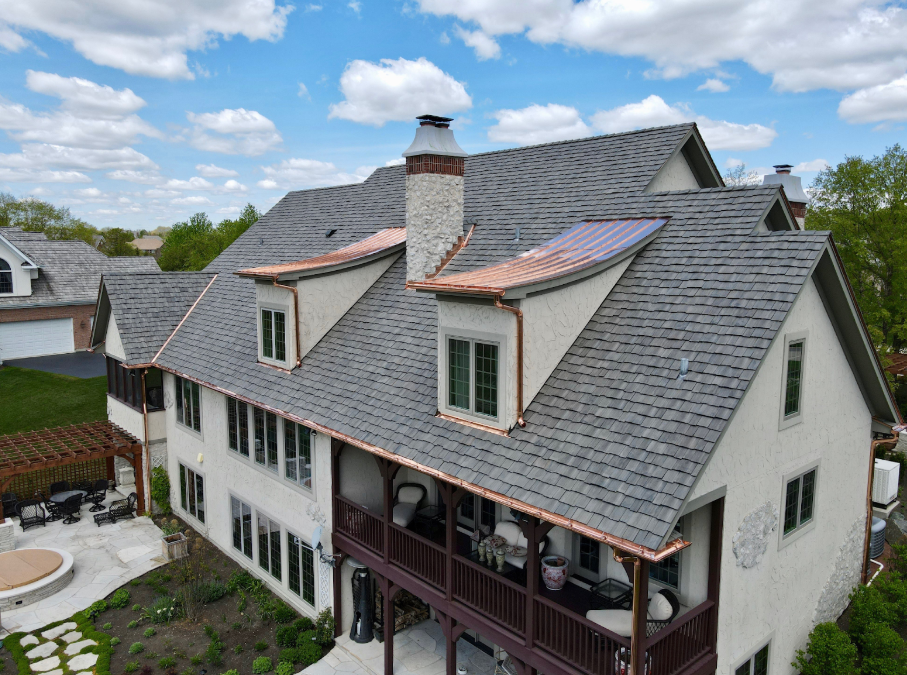
Brava is a leading manufacturer of synthetic roofing tiles. They use recycled plastics to create dense, lightweight tiles that offer realistic alternatives to cedar shakes, slate, and clay barrel tiles. These tiles are available in various colors, with custom color-matching also available, that will never fade or chip.
In terms of durability, they are Class A fire and Class 4 impact rated, and can withstand hurricane-force winds from 188 mph to 211 mph. They are also overall moisture and weather resistant; from extreme heat to extreme cold, these tiles can withstand it all without damage.
Beyond this, Brava tiles are energy-efficient, offering insulating and reflective properties, and "cool roof" options that comply with California's Title 24 building code. A Brava roof is easy to install, and any reputable, licensed roofing contractor should have no issue, as no special requirements or tools are necessary. Brava's roofs can last 50 years or longer, with the proper installation and care, and can be recycled at the end of their lifespan.
Contact Brava today to learn more about how Brava roofing products compare to other Class A fire-rated roofing materials, and check out the gallery for inspiration.
Frequently Asked Questions
Common questions about Class A fire rated roofs, how they're tested, and how to choose the right Class A roofing material.
What is a Class A fire rated roof?
A Class A fire rated roof is one that has earned the highest fire resistance classification under ASTM E108 and UL 790 testing. To achieve Class A, a roofing product or assembly must pass three tests: the burning brand test (resistance to burning embers landing on the surface), the spread of flame test (maximum 6-foot flame spread), and the intermittent flame test (15 cycles of gas flame exposure without igniting). Class A is the highest of three classifications: A, B, and C.
What is the difference between a Class A, B, and C fire rating?
All three ratings indicate some level of fire resistance, but the degree differs significantly. Class A offers the highest resistance to severe fire exposure and is the standard required in wildfire-prone jurisdictions and WUI zones. Class B provides moderate resistance to fire exposure. Class C provides basic protection against light fire exposure. For homeowners in fire-risk areas, Class A is the appropriate baseline. In WUI zones and high fire hazard severity zones, Class C is often not sufficient to meet code or insurance requirements.
What is the difference between a stand-alone and by-assembly Class A rating?
A stand-alone Class A rating means the roofing material earns the classification on its own, regardless of what underlayment or sheathing is used. Truly noncombustible materials like clay and concrete tile typically carry stand-alone ratings. A by-assembly rating means the material only achieves Class A when installed as part of a specific tested combination of tile, underlayment, and sheathing. Composite and synthetic tiles generally fall into the by-assembly category. Using an untested underlayment with a by-assembly rated product can invalidate the fire rating, which matters for code compliance and insurance coverage.
What Class A roofing material lasts the longest?
Natural slate and clay tile have the longest documented lifespans, reaching 100 years or more with proper maintenance. Composite tile engineered for durability, like Brava's products, carries a 50-year limited warranty and is designed to last at least as long without the maintenance overhead of natural materials. Metal roofing falls in the 40 to 70 year range. Asphalt shingles have the shortest lifespan at roughly 25 years, which can shorten further in extreme climates.
Do I need a Class A roof in a wildfire zone?
In most designated WUI zones and high fire hazard severity zones, yes. California's Chapter 7A, the International Wildland-Urban Interface Code (IWUIC), and many local ordinances require Class A roof assemblies as a minimum standard for new construction and re-roofing in fire-risk areas. Beyond code requirements, many insurance carriers in fire-prone markets require documented Class A assembly as a condition of coverage or factor it into premium pricing. If you're in a fire-risk area and unsure of your local requirements, your building department and insurance agent are the right starting points.
Is a fireproof roof the same as a Class A fire rated roof?
No roofing material is truly fireproof. "Fireproof" is a colloquial term, not a technical or code designation. Class A fire rated is the correct technical description for the highest level of fire resistance available under ASTM E108 and UL 790. A Class A roof maximizes resistance to ember ignition, flame spread, and fire penetration. It does not guarantee a roof will survive direct flame contact indefinitely in an extreme fire event, but it provides the best available protection for residential roofing.