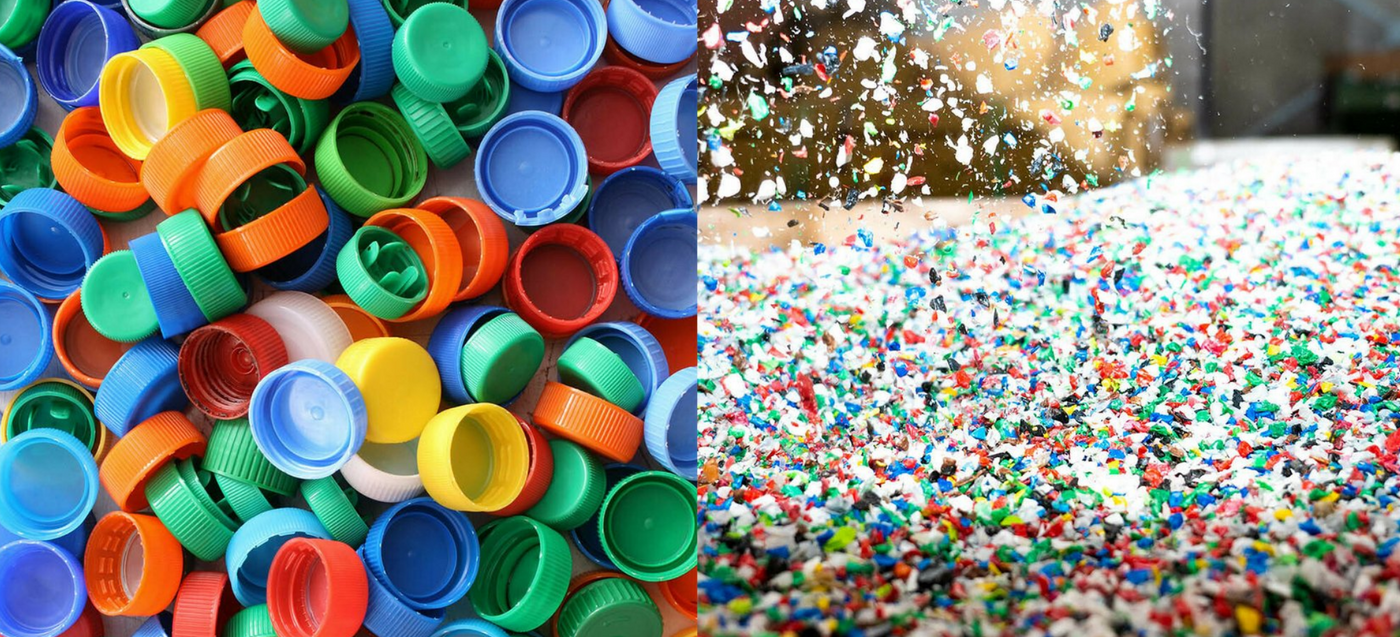
Historically, roofing materials have created an extensive amount of waste. The Environmental Protection Agency (EPA) estimates that between 7 and 10 million tons of asphalt shingle tear-off waste is created annually, most of which ends up in landfills. Asphalt roof shingles are popular for their affordability, but they aren’t recyclable and only last an average of 20 years.
Synthetic roofs have entered the scene as eco-friendly alternatives to asphalt and other materials. But are synthetic roof tiles recyclable? And what happens at the end of their lifespans?
Brava Roof Tile answers these questions below. To learn more about our sustainable composite roof tiles and how they can both strengthen and beautify your home, contact us today.
How Are Synthetic Roof Tiles Manufactured?
Synthetic roof tiles are a category of roofing material that consists of man-made compounds rather than traditional natural materials like slate, concrete, or metal. At a glance, you may assume that synthetic materials are less sustainable because they are not natural or organic. In reality, they often provide enhanced sustainability due to how they’re made.
Manufacturers make synthetic roof tiles from recycled roof materials, such as plastic, polymer, and rubber. Breaking down these materials and combining them into a strong composite replicates the look of typical roofing materials like slate and cedar shakes while enhancing durability and longevity.
Some synthetic roof tiles, including those from eco-friendly brands like Brava, use specialized manufacturing processes to mimic the beauty of natural materials. Brava’s patented mineral-infusion process ensures that no two tiles look exactly the same, creating incredibly natural-looking tiles.
Many synthetic roof tiles consist of 100% recycled materials, significantly reducing their environmental impact and expanding their versatility.
Why Are Synthetic Roof Tiles More Sustainable?
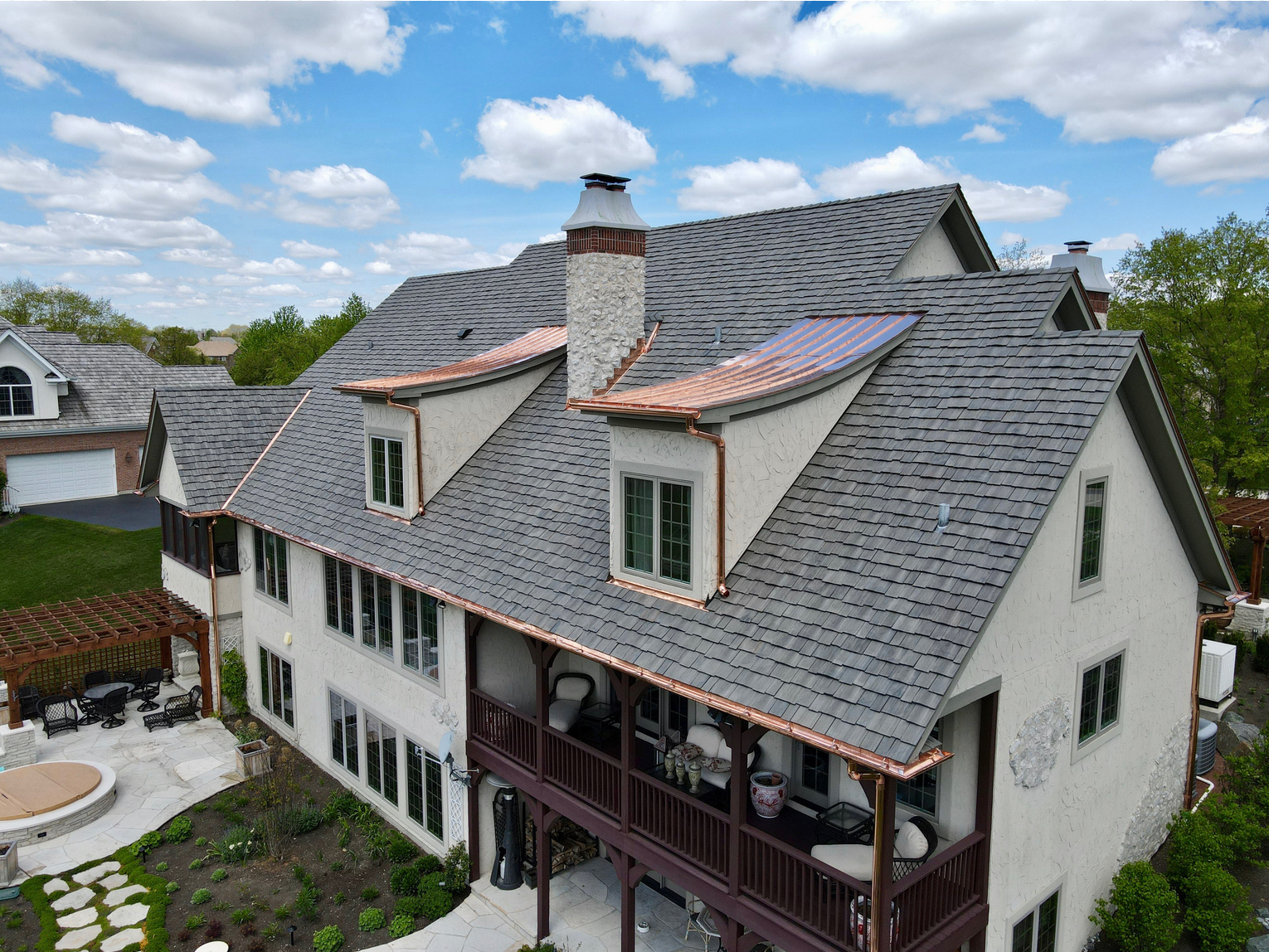
Contrary to popular belief, many synthetic roofing materials are at least partially recyclable, making them more sustainable than traditional asphalt or slate for a few reasons:
Recycled materials: Synthetic roof tiles are made primarily from recycled materials. This increases their usable lifespans and makes them a no-brainer for those who value greener homes.
Sustainable manufacturing processes: These materials also naturally use more sustainable manufacturing processes than traditional options. For example, slate mining disrupts natural habitats and impacts water quality in the regions where it occurs. Synthetic roof tiles circumvent this problem.
Recyclable installation scraps: The traditional process of installing asphalt and similar roofs creates a significant amount of waste. Synthetic roof tiles generate recyclable scraps during installation that do not end up in landfills.
Longer lifespans: The longer a material’s lifespan, the greater its sustainability, as it prevents new materials from being manufactured as often. Synthetic roof tiles are highly durable, often lasting more than 50 years.
These materials aid waste management while promoting exceptional durability and aesthetic appeal for discerning homeowners.
What Happens at the End of Their Lifespans?
Now that we’ve answered the question of whether synthetic roof tiles are recyclable, you can probably guess what happens to them at the end of their lifespans.
Manufacturers often have systems in place that allow homeowners to easily recycle their roofing materials at the end of their lives. For example, Brava roof tiles are made from 100% recycled materials that can be recycled again once a roof needs to be replaced. Local roofing companies can also ship the cuttings and scraps not used during installation back to the Brava plant for recycling.
Very few materials involved in the installation of synthetic roof tiles end up in the landfill. If you have a composite roof that is nearing the end of its life, ask the manufacturer about its recycling policy.
Explore Our 100% Recycled and Recyclable Roofing Materials

If you are concerned about your property’s environmental impact, choosing eco-friendly roofing materials can go a long way toward lowering your carbon footprint. Brava roof tiles offer a highly sustainable, durable solution.
Our composite tiles consist of up to 95% recycled plastic, along with natural colorants, UV stabilizers, and other eco-friendly materials. While they last for upwards of 50 years, they are fully recyclable at the end of their lives.
Are synthetic roof tiles recyclable? Brava roof tiles are! Contact us today at 844-290-4196 to learn more about our products or request a sample.