No roof is tornado-proof. That's not pessimism. It's the starting point for making smart decisions about materials, design, and preparation when you live in an area where tornadoes are a realistic seasonal risk.
What roofing can do is resist the conditions that accompany most tornadoes: high-speed winds, airborne debris, hail, and the rapid pressure changes that separate roofs from structures. The difference between a roof that stays attached through an EF1 and one that fails is not luck. It's material selection, fastening method, and structural design. This guide covers all three.
Understanding the EF Scale: What Your Roof Is Actually Up Against
The Enhanced Fujita (EF) scale classifies tornadoes by estimated wind speed based on observed damage. Understanding what each rating means in practical terms helps explain why material and design decisions matter so much.
| EF Rating | Wind Speed | Typical Roof Damage | % of All Tornadoes |
|---|---|---|---|
| EF0 | 65–85 mph | Shingle and tile loss, minor structural stress | ~53% |
| EF1 | 86–110 mph | Significant shingle loss, flashing failure, surface damage | ~32% |
| EF2 | 111–135 mph | Roof decking exposed, partial roof loss on frame homes | ~10% |
| EF3 | 136–165 mph | Entire roof sections removed, exterior walls damaged | ~4% |
| EF4–EF5 | 166–200+ mph | Total structural failure; roof and wall loss common | ~1% |
The practical takeaway: roughly 85% of all tornadoes are EF0 or EF1. At those wind speeds, the right roofing material, installed correctly, can make a significant difference in how much damage your home sustains. EF2 and above are survivable with proper structural design but will test any roof. EF4 and EF5 events are rare and outside the range of what any residential roofing system is designed to fully withstand.
This matters for how you think about the investment. Tornado-resistant roofing isn't about preparing for a direct EF5 hit. It's about protecting your home from the storms that actually occur most often.
Tornado Alley Has Expanded: Is Your Region at Risk?
The traditional image of Tornado Alley, Oklahoma, Kansas, Texas, and the Great Plains, is accurate but incomplete. Severe weather patterns have shifted and intensified over the past decade, bringing significant tornado activity to regions that historically saw far less of it.
Ohio recorded 74 tornadoes in 2024, the most in the nation that year. The Pittsburgh region, which averages about six tornadoes a year, saw 17 in May 2024 alone. Tennessee, Alabama, Mississippi, and Arkansas consistently rank among the highest for tornado frequency and intensity. The mid-South and Dixie Alley, which runs through the lower Mississippi Valley, now rivals the traditional Tornado Alley in annual storm activity.
For homeowners in Missouri, the Ozarks, and surrounding areas specifically, composite tile adoption in tornado-prone communities reflects this shift in how homeowners in storm country think about roofing material choice.
If you live anywhere east of the Rockies, tornado risk is a legitimate factor in roofing decisions regardless of whether you're in the historical core of Tornado Alley.
What Tornadoes Actually Do to Roofs
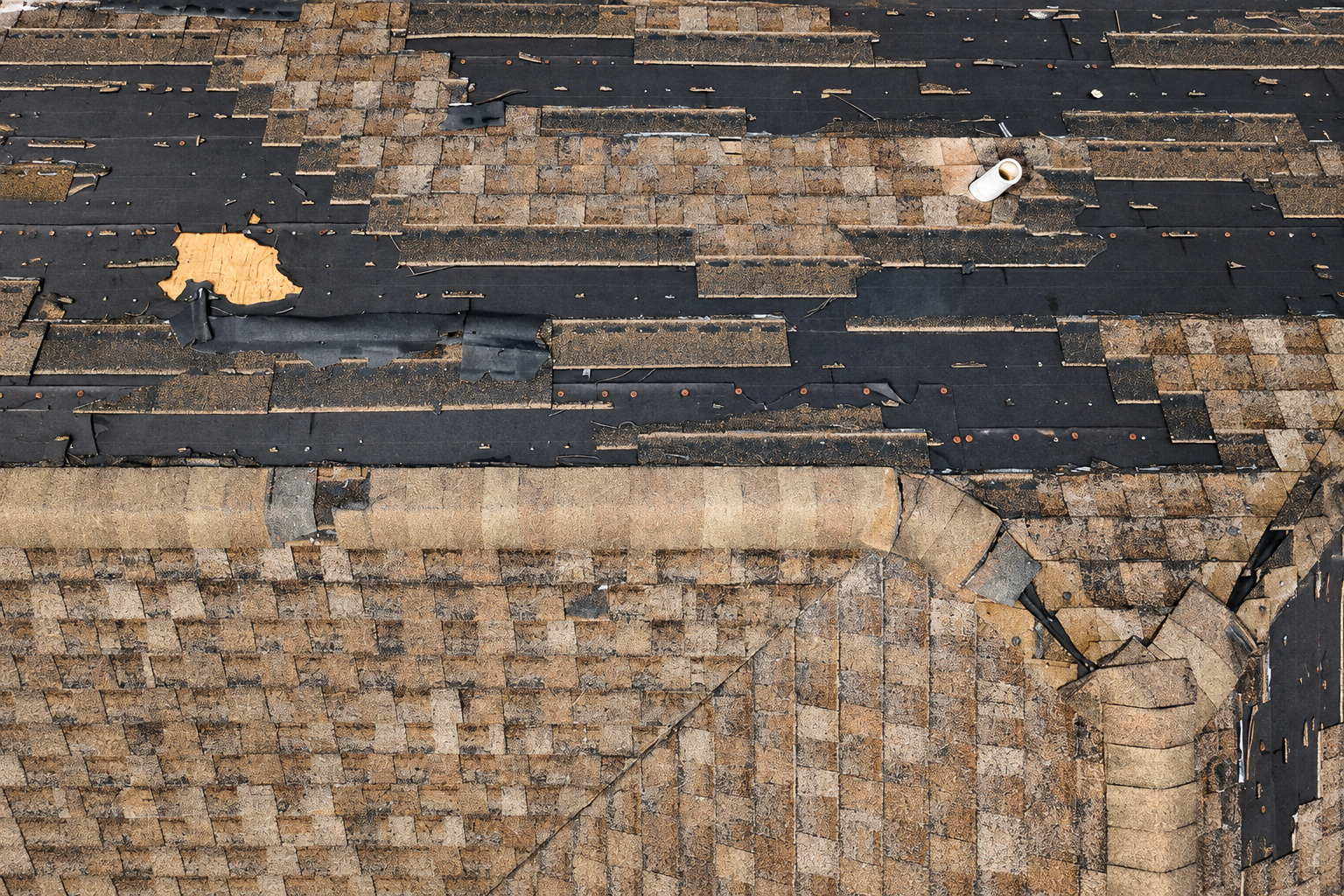
Understanding the specific mechanisms of tornado roof damage helps explain why certain materials and installation methods matter more than others.
Wind Uplift
The primary mechanism of tornado roof damage is wind uplift: the aerodynamic force created when high-speed winds move across the roof surface. As wind speed increases, pressure on the windward side of the roof increases while pressure on the leeward side decreases, creating a net upward force. If that force exceeds the holding strength of the fasteners and connections, the roof lifts. Roofs with large overhangs, flat pitches, and exposed gable ends are most vulnerable.
Debris Impact
Tornadoes carry debris. Boards, branches, and other materials can reach projectile speeds that standard roofing materials aren't designed to handle. This is why UL 2218 impact testing matters: it simulates real-world debris impact, not just hail. A Class 4 rated material has been tested to resist a 2-inch steel ball dropped from 20 feet without fracturing. While no test replicates the full range of tornado debris, Class 4 ratings provide the best available measure of impact resilience.
Pressure Differential
Tornadoes also create rapid pressure changes as the funnel passes over or near a structure. These pressure differentials can add to uplift forces and in severe events can contribute to explosive-type wall and roof failures. Proper roof-to-wall connections and structural reinforcement reduce vulnerability to this mechanism.
Hail
Most significant tornadoes are accompanied by hail. In some cases, hail damage to a roof precedes the tornado itself as the storm system approaches. A roof that's already compromised by hail is more vulnerable when the tornado arrives. Understanding what hail damage looks like on a roof and addressing it promptly is part of tornado preparedness in hail-prone regions.
Best Roofing Materials for Tornado-Prone Regions
Not all roofing materials respond the same way to the forces a tornado generates. Wind rating, impact resistance, weight, and fastening system all affect how a roof performs under extreme conditions.
Asphalt Shingles
Asphalt shingles are the most common roofing material in tornado-prone areas simply because they're the most common material everywhere. Standard architectural shingles are typically rated to 110 to 130 mph, which covers EF0 and low EF1 conditions but leaves significant vulnerability at higher wind speeds. Their primary failure mode is edge lifting: sustained high winds create pressure differentials that lift shingles at seams and edges before the fasteners give way.
Impact-rated Class 4 asphalt shingles are meaningfully better than standard options, but the material's granule-based surface means hail impact accelerates degradation over time. In tornado-prone regions with frequent hail accompaniment, this is a real long-term consideration.
Metal Roofing
Metal roofing, particularly standing seam systems with concealed fasteners and interlocking panels, is one of the stronger performers in tornado conditions. The interlocking panel design resists wind uplift because each panel connects to the next, creating a continuous surface without exposed seams. Properly specified metal systems are typically rated to 140 mph or higher. Metal is non-combustible, handles debris impact well with cosmetic denting rather than structural fracture, and is lightweight.
The consideration in tornado-prone regions with frequent hail is panel denting. Softer metals like aluminum dent more easily than steel. For tornado country, heavier gauge steel is generally the better specification.
Concrete Tile
Concrete tiles are impact-resistant, and standard installations have been tested to withstand 120 mph winds, with engineered high-wind installations available for higher ratings. The tradeoff is weight: concrete tiles require structural reinforcement in most homes and add to the overall structural load the building must carry.
The debris risk of concrete tile in a severe tornado event is worth considering. If tiles detach, they become significant projectile hazards for neighboring structures. Proper installation with approved fasteners reduces this risk but doesn't eliminate it.
Composite Tile
Class 4 rated composite tile is the most complete solution for tornado-prone regions when evaluated across the full set of performance criteria.
Brava’s composite tiles carry a Class 4 impact rating and, depending on profile, are wind rated up to 188 mph with nail installation and 211 mph with high-wind screw installation according to TAS 125 testing. They’re also lightweight enough to require no structural reinforcement. In tornado-prone regions where hail frequently accompanies severe weather, the Class 4 impact rating matters for both events. The material doesn’t lose granules under hail impact the way asphalt does, and hail typically leaves surface marks rather than breaking or fracturing the tile.
The lightweight advantage also reduces stress on the structure. Composite tile adds far less load to the framing and the roof-to-wall connections that keep the roof attached. Compared to concrete or clay tile, composite roofing also poses much less projectile risk if sections detach during extreme events.
Roof Design Decisions That Affect Tornado Resistance
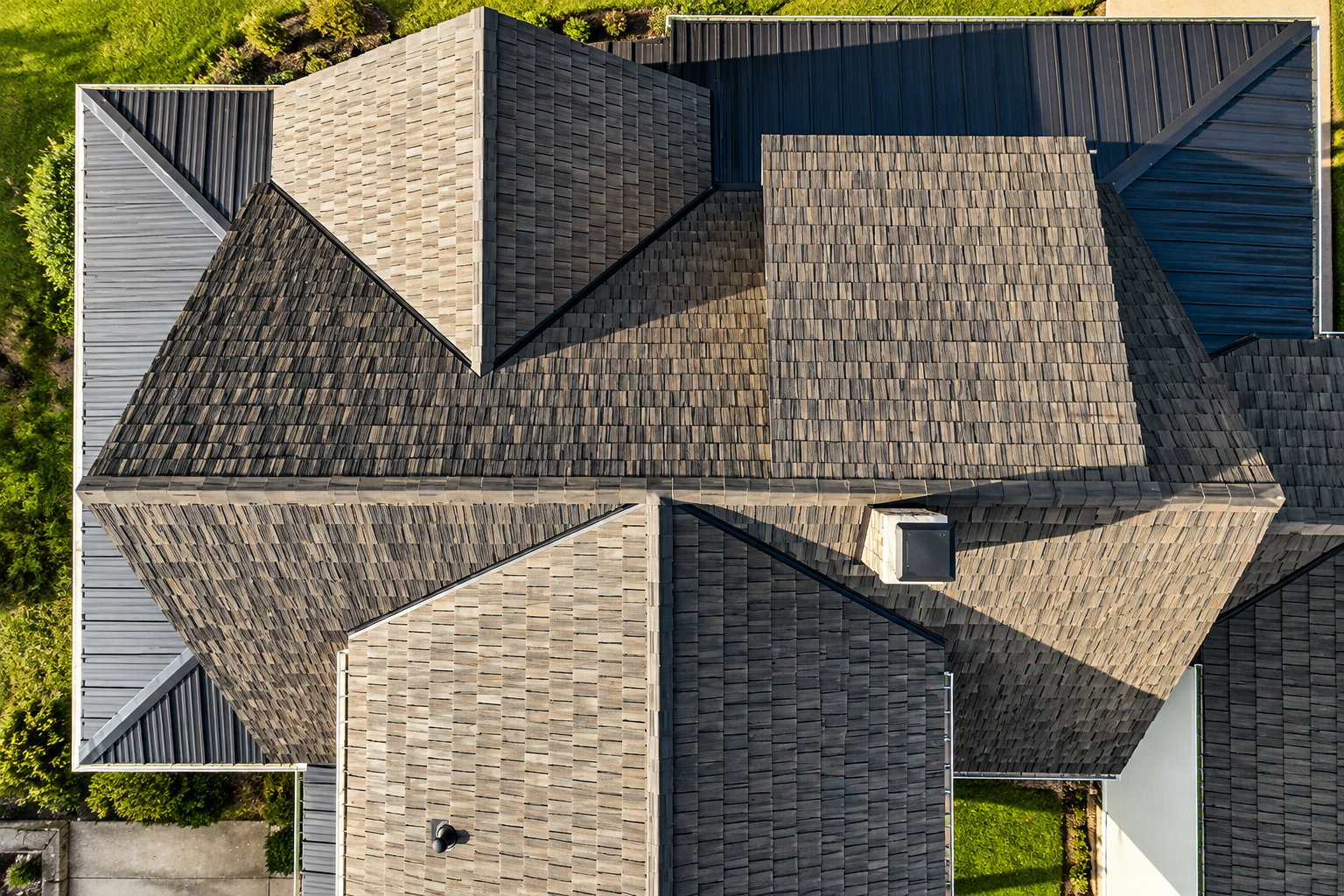
Material choice is the single most important variable, but several design decisions compound or undermine the material's performance. These are worth understanding before a new build or a full replacement.
Roof Shape
Hip roofs, with four sloping sides, consistently outperform gable roofs in high-wind and tornado conditions. The aerodynamic geometry distributes wind load more evenly, reducing the concentration of uplift forces at any single point. Gable ends present a large flat surface that catches wind directly, and gable end failure is one of the most common roof damage mechanisms in EF1 and EF2 tornadoes. If you're in a tornado-prone region and have the choice, a hip configuration is the stronger design. For more on how roof shape affects wind performance, the best roofing material for high winds guide covers the geometry in detail.
Roof Pitch
Moderate pitches in the 4:12 to 6:12 range offer the best wind resistance. Very shallow pitches generate more direct uplift. Very steep pitches create more surface area catching lateral wind force. The 18 to 27 degree range provides a balance between drainage performance and wind resistance that holds up well across most tornado-associated wind speeds.
Overhangs
Large overhangs increase the surface area exposed to wind uplift and create leverage points that amplify the upward force on the roof structure. Shorter overhangs, properly engineered and fastened, reduce this vulnerability. In areas where tornado risk is high, keeping overhangs to 12 to 18 inches and using proper rafter tail fastening schedules is a meaningful risk reduction.
Hurricane Straps and Roof-to-Wall Connections
Hurricane straps, metal connectors that tie roof trusses directly to wall framing, are one of the most cost-effective structural upgrades available for tornado resistance. They resist the uplift forces that detach roofs from walls during high-wind events. Many building codes in high-wind regions already require them, but homes built before those codes went into effect may lack adequate connections.
The combination of proper roof-to-wall connections and high-rated roofing material is significantly more protective than either alone.
Roof Deck
The roof deck is the structural foundation the roofing material attaches to. A deck that isn't properly fastened to the framing below will fail regardless of how good the roofing material is. Code-compliant nailing schedules for roof sheathing, particularly in high-wind zones, call for closer fastener spacing and larger fasteners than standard practice in low-wind areas. If you're replacing a roof in tornado country, it's worth having a contractor verify the deck attachment meets current high-wind specifications.
Tornado Roofing Repair: What to Do After a Storm
Even well-prepared roofs can sustain damage in significant tornado events. Knowing how to respond efficiently reduces secondary damage and strengthens your insurance position.
Immediate Steps
Document all visible damage with photos and video before any cleanup or temporary repairs. Date-stamped images establish the pre-repair condition for your insurance claim.
Make temporary protective repairs, like tarping exposed decking, to prevent water intrusion. Most insurance policies require reasonable steps to prevent further loss.
Do not attempt roof access during or immediately after the storm. Wait for confirmed all-clear and check for structural instability before going on the roof.
Contact your insurance company promptly. Most policies have reporting deadlines, and timely reporting is required to preserve your claim.
Professional Inspection
Schedule a professional inspection even if the roof appears intact from the ground. Hail damage, granule loss, and minor structural stress are often not visible without getting on the roof. A thorough inspection documents damage your insurer needs to process the claim and identifies issues that will worsen if not addressed. For what to look for and how to identify roof wind damage, the signs are often more subtle than homeowners expect.
Material Selection for Replacement
If your roof requires significant repair or replacement after a tornado, that's the right moment to evaluate whether the material you're replacing with will perform better in future events. Upgrading from standard asphalt shingles to Class 4 rated composite tile at the point of replacement adds meaningful tornado resistance and may qualify for insurance premium reductions going forward.
Brava Composite Tile for Tornado Country
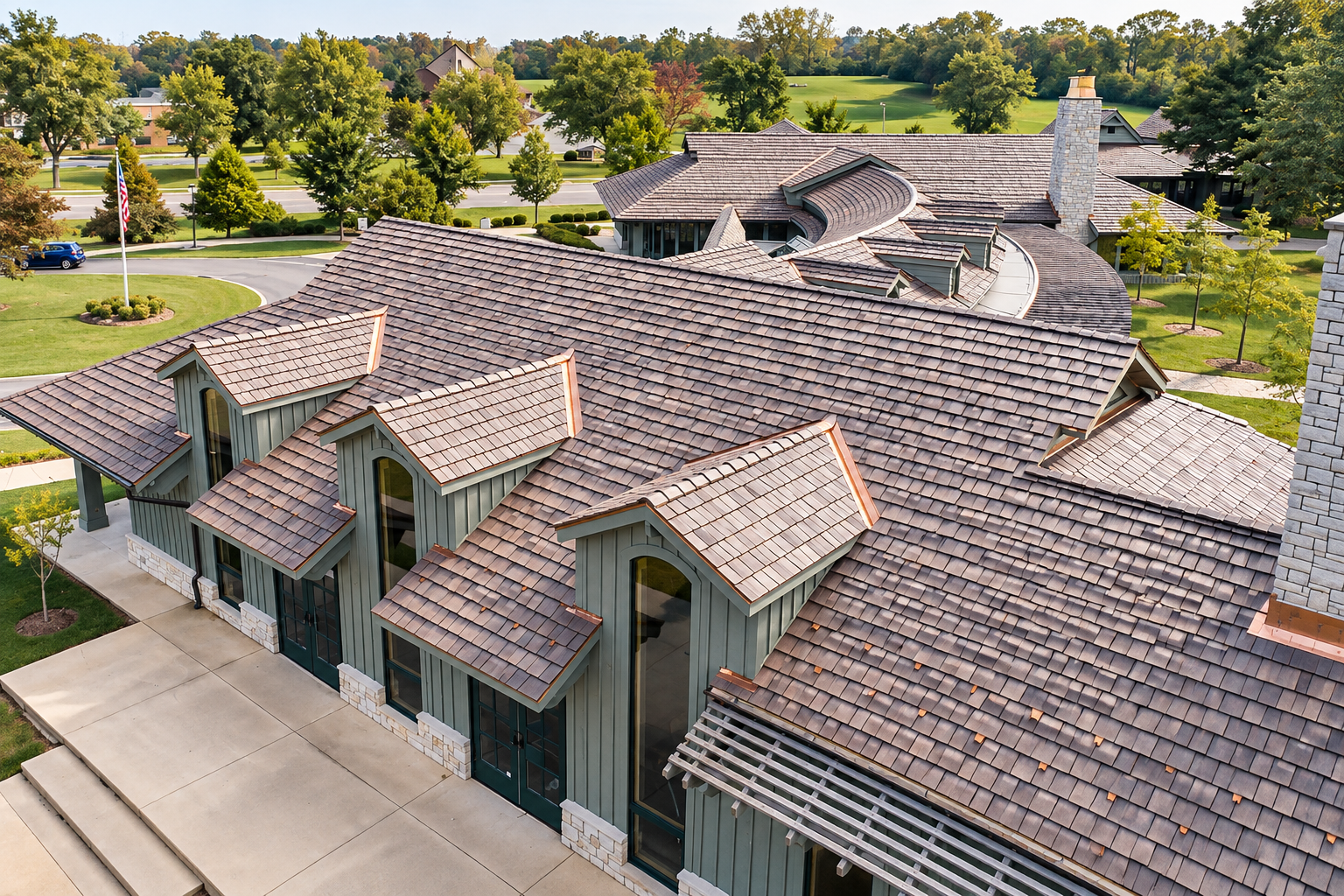
Brava's composite tile systems are built for the kind of weather that tornado-prone regions actually see, not just the tornado itself but the hail, high winds, and debris that accompany severe storm systems. Class 4 impact ratings, wind resistance up to 211 mph with high-wind screw installation, and a 50-year limited warranty give homeowners in tornado country a material that's designed to go the distance.
Available in cedar shake, slate, and Spanish barrel tile profiles, Brava offers the aesthetics of premium natural materials without the weight, maintenance overhead, or debris risk that comes with heavier options. For homeowners in Missouri, Oklahoma, Kansas, Tennessee, Alabama, and across the expanded tornado corridor, it's a roof that earns its keep every storm season.
Request a quote or call (844) 290-4196 to talk through the right system for your region and home.
Frequently Asked Questions
The questions homeowners in tornado-prone regions ask most often about roofing selection, design, and recovery.
Is there such a thing as a tornado-proof roof?No roofing system is designed or certified as tornado-proof. EF4 and EF5 tornadoes with winds exceeding 166 mph will damage or destroy most residential structures regardless of roofing material. What tornado-resistant roofing does is significantly improve outcomes in the EF0 through EF2 range, which accounts for roughly 95% of all tornadoes. Class 4 impact ratings, high wind installation specifications, and proper structural connections reduce the probability and severity of damage in those more common events.
What is the best roofing material for tornado-prone regions?Class 4 rated composite tile provides the most complete performance profile for tornado-prone regions: the highest available impact rating, wind ratings up to 211 mph depending on profile and installation, lightweight construction that reduces structural load, and hail impact that typically leaves surface marks rather than fractures. Metal roofing is a strong alternative, particularly standing seam systems, though steel options are preferable to aluminum in hail-prone areas due to softer metal's susceptibility to denting. Both significantly outperform standard asphalt shingles in EF1 and higher conditions. For a full material comparison by wind speed, that guide covers the full field.
What roof shape is most resistant to tornadoes?Hip roofs with four sloping sides are the most tornado-resistant design because the aerodynamic geometry distributes wind load more evenly and eliminates the flat gable end that concentrates uplift forces in gable roof designs. Within hip roofs, pitches in the 4:12 to 6:12 range (roughly 18 to 27 degrees) provide the best balance of wind resistance and drainage performance. Shorter overhangs (12 to 18 inches) with proper fastening further reduce vulnerability to wind uplift.
Do hurricane straps help with tornadoes?Yes. Hurricane straps are metal connectors that tie roof trusses directly to wall framing, resisting the uplift forces that detach roofs from structures in high-wind events. The same mechanism that makes them effective in hurricane conditions works equally well in tornado conditions. They're one of the most cost-effective structural upgrades available for existing homes in wind-prone regions. Many homes built before modern wind codes lack adequate roof-to-wall connections, and retrofitting straps is often feasible without major structural work.
What should I do after a tornado damages my roof?Document all damage with photos before any cleanup. Make temporary protective repairs like tarping to prevent water intrusion, but avoid permanent repairs until your insurance adjuster has inspected. File your insurance claim promptly since most policies have reporting windows. Schedule a professional roof inspection even if visible damage appears minor, since structural stress, granule loss, and deck damage often aren't visible from the ground. If your roof requires significant repair or replacement, use the opportunity to evaluate upgrading to Class 4 rated materials for improved performance in future events.
Does tornado damage affect homeowners insurance?Most standard homeowners insurance policies cover tornado damage as a wind event under dwelling coverage. However, coverage specifics vary: some policies in high-risk regions carry separate wind deductibles, and coverage amounts depend on whether you have actual cash value or replacement cost value coverage. Document damage thoroughly before repairs and report promptly. Homes with Class 4 rated roofing may qualify for wind mitigation credits that reduce premiums. For a full overview of how the insurance claims process for roof replacement works, that guide covers every step.