Hail storms can come out of nowhere and leave costly damage to your home in their wake. One of the most common forms of hail damage is roof damage. When large hail pelts your home at significant speeds, your roof can quite literally take a beating.
If you're wondering what hail damage looks like on a roof, then read on to learn everything you need to know about roof hail damage. Then contact us at Brava Roof Tile to learn more about how our top-quality hail resistant roofing tiles can prevent hail damage.
How Does Hail Damage a Roof?
Hail storms can create varying levels and types of hail roof damage depending on the hail size, storm intensity, wind speed, and several other factors. However, hail typically creates at least one of these roof damage types:
1. Cracks in Your Shingles
When large, dense hail strikes your roof, it can sometimes create cracks in your shingles. However, your roofing material plays a significant role in whether hail will damage your shingles. Composite roofing tiles, for example, can withstand heavy impacts better than traditional asphalt or wood shingles.
2. Loss of Granules
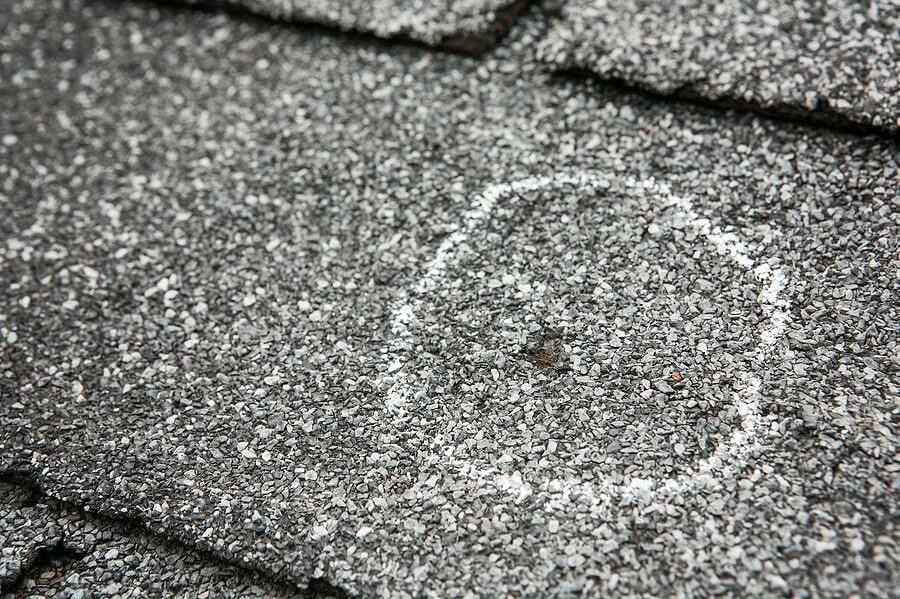
Asphalt shingles contain a mineral granule coating that gives them a sandpaper-like texture. Unfortunately, hail storms can knock some of these granules loose, exposing the asphalt underneath to any future weather elements. As a result, your roof may lose some of its water resistance, creating the risk of roof leaks down the line.
3. Sealing Strip Separation
Shingles typically utilize a self-sealing strip to adhere to the base-layer roof surface. Unfortunately, heavy hail can wear down the adhesive on these strips or cause the shingles to separate from the adhesive layer, leading the shingles to fall off the roof.
4. Fiberglass Fractures
Most asphalt shingles contain a fiberglass mat coating below the granule layer. If the granules have already begun wearing away before a hail storm, the hail can reach beneath the granular layer and fracture the fiberglass mat. Without proper repair, the shingles can then crack or tear over time.
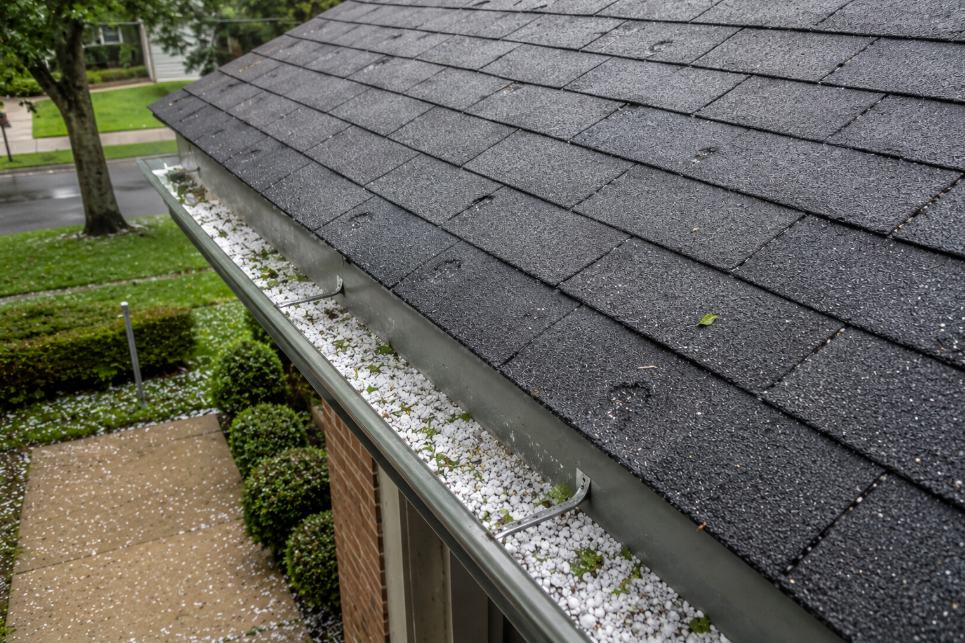
What hail damage looks like varies by roofing material. On asphalt shingles, look for dark circular bruise marks where granules have been knocked loose, a peppering of small dents across the surface, and granule accumulation in gutters and downspouts after the storm. On wood shake, hail damage appears as splits or cracks that run along the grain, often with sharp edges rather than the weathered splits that occur naturally over time. On clay or concrete tile, look for chips, cracks, or missing corners.
On composite tile, hail impact typically leaves surface marks but rarely cracks or fractures the material, which is one of the reasons Class 4 rated composite roofing outperforms other materials in hail-prone regions.
What Size Hail Will Damage a Roof?
Most homeowners who have experienced hail damage report hail sizes of at least ¾ of an inch. However, the larger the hail, the more significant damage it can create.
Hail that is less than an inch wide typically only creates minor roof damage, such as damage to the granules on asphalt tiles. Meanwhile, hail exceeding two inches in diameter can create severe cracks in the shingles or knock roof tiles loose.
As a quick reference: golf ball size hail is 1.75 inches in diameter and is typically where structural damage to roofing becomes likely rather than just cosmetic. Tennis ball size hail reaches 2.5 inches and can cause damage to even impact-rated materials at direct strike angles. Quarter size hail (1 inch) is the general threshold where asphalt granule loss becomes significant enough to shorten roof lifespan noticeably.
How Much Hail Damage Before I Should Replace My Roof?
The type of hail damage your roof experiences impacts whether you need a simple repair job or an entire roof replacement.
For example, if a few shingles lose their outer granular layers, a contractor should be able to repair these easily enough. However, if the storm knocks loose several tiles or your roof begins to leak, it may be time to replace your roof altogether.
Most homeowners insurance policies provide coverage for damage that occurs due to natural disasters, such as storms. If you think you need roof repairs or a complete replacement, you can contact your insurance company to send a roofing contractor to perform an inspection. Your contractor will recommend whether you need to replace the entire roof or just mend a few tiles.
However, if you live in an area that experiences frequent hail storms, and your roof has already experienced damage from hail, you may want to consider replacing your roof with a new material that resists hail damage better. At Brava Roof Tiles, we offer durable composite roofing materials that provide excellent protection against hail damage.
Why Is Hail Damage Bad for a Roof?
If your roof has endured hail damage, you may be tempted to ignore the problem, especially if you do not see any visible consequences of this damage. However, hail damage can be devastating for your roof in the long run, and ignoring it may only worsen the problem.
First, hail damage can affect your roof's integrity. When hail knocks loose the protective coating on your roof tiles, the roof is more likely to experience even more damage during the next storm.
Additionally, hail damage can lead your tiles to lose their water-resistant qualities, allowing water and moisture to seep into your attic and eventually leak into your house.
Hail damage can also cause air to escape from your house. Damaged roof tiles lose their insulating properties and leave gaps for warm or cool air to seep out of your home. As a result, you will need to spend more money heating or cooling your home with your HVAC system.
How to Prevent Hail Damage on Your Roof
While there's no way to prevent a devastating hail storm from striking your property, there are a few measures you can take to protect your roof against large hail.
1. Schedule Routine Roof Inspections
Minor roof problems are often challenging to identify, as you cannot see them unless you climb up to the roof and look for small cracks or missing granules. Scheduling regular inspections with your local roofing contractor can ensure that you do not overlook any weaknesses in your roof that could become prone to hail damage.
2. Fix Existing Damage As It Occurs
Existing hail damage leaves your roof more vulnerable to experiencing even worse damage during the next hail storm. However, fixing any problems as they occur can prevent future hail storms from wreaking havoc on your roof.
3. Install Brava Roof Tile's Hail-Proof Roofing Materials
Traditional roofing materials like asphalt do not provide much resistance in the face of strong hail. Instead, we recommend replacing your roofing tiles with Brava Roof Tile's Class 4 impact-resistant composite shingles.
Our synthetic composite shingles stand firm in the face of steel balls traveling at 90 mph, giving you confidence that they can withstand strong hail storms as well. Even better, these shingles mimic the design and aesthetic appeal of popular roofing materials like cedar shakes, slate, and barrel tiles.
Contact Brava Roof Tile today to request a sample of our impact-resistant composite shingles.
Frequently Asked Questions
What does hail damage look like on a roof?
On asphalt shingles, hail damage typically appears as dark circular or oval bruise marks where granules have been knocked loose, leaving the underlying asphalt exposed. You may also see denting, cracking, or displaced shingles. In gutters and downspouts, granule accumulation after a storm is a reliable indicator that hail has stripped the protective surface. On wood shake, look for splits or cracks with sharp edges that differ from the natural weathered splitting of older shakes. On tile roofs, chipping, cracking, or broken corners are the most visible signs. The damage pattern on a hail-struck roof tends to be random and scattered, distinguishing it from wind damage, which typically affects one side of the roof more than others.
What size hail damages a roof?
Hail as small as ¾ of an inch in diameter can begin to cause granule loss on asphalt shingles, which shortens the roof's lifespan even if the damage isn't immediately visible. Hail reaching 1 inch (quarter size) causes more significant granule loss and can begin to cause functional damage on less resilient materials. At 1.75 inches (golf ball size), structural damage becomes likely, including cracking, fracturing, and displacement of shingles or tiles. Hail over 2 inches in diameter can cause damage to even impact-rated roofing materials at direct strike angles. The speed and density of hailstones, along with wind direction, also affect how much damage a given storm creates.
How do I know if my roof has hail damage?
Start from the ground: look for dented gutters, downspouts, or window screens, which are reliable early indicators of hail impact. Granule accumulation in gutters after a storm is another ground-level sign. Check soft metal surfaces like AC units, vents, and flashing for denting. On the roof itself, look for the bruising and granule loss patterns described above, as well as cracked, split, or displaced tiles. Because some hail damage is subtle and worsens over time, a professional inspection after any significant hail event is worth scheduling even if the roof appears intact from the ground. Many insurance carriers require timely reporting of storm damage, so don't wait to investigate.
Does homeowners insurance cover hail damage to a roof?
Most standard homeowners insurance policies cover hail damage to a roof as part of their dwelling coverage. However, the specifics vary by policy, including whether coverage is for actual cash value (accounting for depreciation) or replacement cost value. Deductibles also vary, and some policies in hail-prone states like Texas, Colorado, and Oklahoma have separate hail deductibles that are higher than the standard deductible. After a storm, document the damage with photos before making any repairs and report the claim promptly. Your insurer will typically send an adjuster to assess the damage and determine coverage.
Can you ignore hail damage on a roof?
Ignoring hail damage is one of the more costly decisions a homeowner can make. Damage that appears minor after a storm, such as granule loss or small cracks, leaves the roof more vulnerable to the next weather event. Water infiltration through compromised areas can damage roof decking, attic insulation, and eventually the interior of the home. Hail damage also affects the roof's insulating properties, which shows up in higher heating and cooling costs over time. Most insurance policies require timely reporting of storm damage, so waiting can also affect your ability to file a claim. A professional inspection is the right first step after any significant hail event, even if you don't see obvious damage.
Is composite roofing better for hail than asphalt?
Yes, significantly. Class 4 rated composite roofing is the highest impact resistance rating available under UL 2218 testing and outperforms standard asphalt shingles in hail resistance for two reasons. First, composite tile doesn't rely on a granule coating for UV protection, so hail impact doesn't trigger the same accelerated aging that asphalt experiences after a storm. Second, composite tile's failure mode under impact is surface marking rather than cracking or fracturing, which means the waterproofing layer stays intact. Brava's composite tiles carry a Class 4 impact rating across all three profiles, cedar shake, slate, and Spanish barrel tile, and many insurance carriers offer premium discounts for Class 4 rated roofing in hail-prone regions.