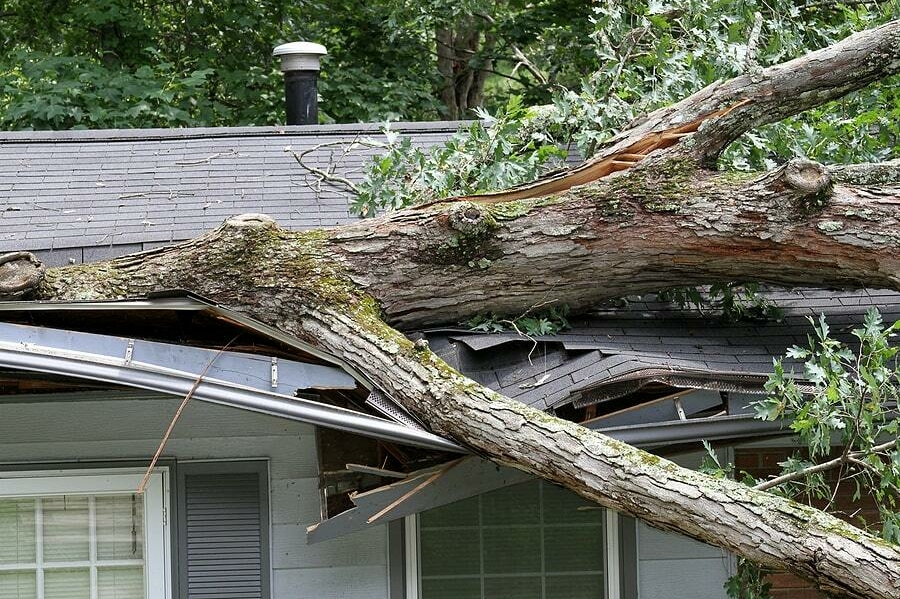
Has your roof suffered extensive damage from a storm? If so, you may qualify for an entire roof replacement through your insurance company.
Homeowners insurance allows you to receive funds to repair major house problems resulting from storms or other unexpected events. Following the proper claims process can ensure that you receive the most funds from your insurance company and that you are satisfied with the condition and quality of your new roof.
However, if you have never gone through the insurance claims process, you may not know where to start or what to expect. One way to alleviate stress during the roof replacement insurance process is to understand the process before filing your claim.
Read on to learn everything you need to know about the insurance claims process for a roof replacement.
Before You Start: What to Gather
Having documentation ready before you contact your insurer moves the process faster and gives you a stronger position from the start. Here's what to pull together immediately after a storm event:
Photos and video of all visible damage, taken before any temporary repairs. Date-stamped images from your phone are fine. More is better.
Your insurance policy declarations page, which lists your coverage type, deductible amount, and any exclusions. If you don't have a copy, it's available through your carrier's online portal or by calling your agent.
Your most recent roof inspection report if you have one. This establishes the condition of the roof before the storm and counters any age-related depreciation arguments.
Notes on the storm: the date, any weather service reports or news coverage of the event, and whether neighbors experienced similar damage. Documented storm events are harder for adjusters to attribute to wear and tear.
The name and contact information of any roofing contractor you've already spoken with for an independent estimate.
What Roof Problems Does Homeowners Insurance Cover?
Most homeowners insurance policies only cover roof damage that is unexpected and unpreventable. As a result, these policies typically cover damage from perils such as:
The exact roof repairs that your insurance will cover will depend on several factors, such as the amount of coverage you pay for, the type of coverage you have, and which insurance company you work with. Calling your insurance company can give you better insight into your roof repair coverage.

One factor worth understanding before you call: whether your policy pays actual cash value (ACV) or replacement cost value (RCV). ACV coverage factors in depreciation, meaning an aging roof will receive a lower payout. RCV coverage pays the actual cost to replace the roof with comparable materials at current prices. Most standard policies default to ACV for roofs. Knowing which you have before you file gives you a realistic expectation of your payout.
Roof Replacement Insurance Process
The process has several distinct steps, each of which affects your final payout and the quality of your replacement. Here's what to expect from start to finish.
1. Schedule a Roof Inspection
Your first step after you notice any damage to your roof is to schedule a professional roof inspection. This inspection can help you identify the extent of the damage and determine whether you need a repair or replacement. During an inspection, a professional roofer will inspect the damage, assess the condition and age of your roof, and determine any necessary repairs. After your inspection, the roofer will describe the nature of your roof damage and give you a repair estimate. You can use this information to determine whether you will submit an insurance claim for the damage or pay for the repairs yourself.
Know this: Get your own independent inspection before the adjuster visit if possible. Your contractor's written estimate gives you a benchmark to compare against the adjuster's assessment and strengthens your position if there's a dispute about scope.
2. File a Claim
If your roof inspection reveals enough damage to warrant an insurance claim, your next step will be to call your insurer and file a claim. Your insurer will ask for more details about the damage to your roof and walk you through your next steps. They will then assign you an insurance adjuster to handle the remaining aspects of your claim.
Know this: File promptly. Most policies require damage to be reported within a specific window after the event, sometimes as short as 30 days. Delayed reporting gives the carrier grounds to complicate or deny the claim.
3. Schedule an Insurance Adjustment
Next, your insurance adjuster will schedule a time to assess your roof damage and calculate a repair estimate. They will also review your policy and offer guidance about choosing the right contractor to complete your job.
Know this: You can be present during the adjuster inspection. Take your own photos during the visit and note any damage the adjuster does or doesn't document. If you disagree with their findings, you have the right to request a second inspection or hire a public adjuster to represent your interests.
4. Find a Contractor or Roofing Company
Some insurance policies include a "right to repair" clause that requires you to receive repairs through a contractor that your insurance company approves. Others will pay you a settlement that you can use to hire your own roofing company. In both cases, your next step will be to contact the roofing company and schedule a time for the contractor to complete the repairs.
Know this: Even if your policy gives you freedom to choose, verify that your contractor is licensed, insured, and experienced with insurance claim work specifically. Contractors who work with insurance companies regularly understand how to document supplemental damage, which can increase your final payout.
5. Receive an Insurance Estimate and First Check
After your insurance adjustment, your adjuster will calculate a repair estimate and give you the first of two insurance payments. This payment will cover the cash value of your loss.
Know this: This first check is not the final settlement. Under most RCV policies, it covers the actual cash value of your roof after depreciation is applied. The difference between that amount and the full replacement cost is called 'recoverable depreciation,' and you receive it in the second check after work is completed and receipts are submitted. If your policy is ACV only, the first check may be all you receive.
6. Begin Roof Repairs
Next, your contractor can start construction. High-quality contractors will work closely with your insurance company throughout the repair process to ensure that all of their materials and repair processes fall under your insurance coverage. If they do not, you may end up needing to pay for some of the repairs out of pocket.
Know this: If your contractor identifies additional damage during tear-off that wasn't visible during the initial inspection, this is called a supplement. Document it immediately and have your contractor submit a supplemental claim to your carrier before proceeding. Supplements are common and legitimate, but they need to be submitted before the work is done, not after.
7. Receive a Second Insurance Estimate and Check
Once the contractor finishes work on your roof, your insurance company will send you a check for the remaining costs of your repair.
Know this: To receive this second check, you'll typically need to submit a certificate of completion and paid invoices from your contractor. Keep all receipts. If your actual replacement cost exceeded the original estimate due to supplements or material cost changes, this is when those additional amounts are resolved with the carrier.
8. Complete the Job
After your entire roof repair is complete, you can close the job with your contractor and insurance company and enjoy your brand-new roof.
What to Do If Your Claim Is Denied or Underpaid
Claim denials and low estimates are more common than most homeowners realize. A denial is not always the final word.
If your claim is denied, ask for the denial in writing and request a specific explanation citing the relevant policy language. Common denial reasons include age-related deterioration, lack of maintenance, or failure to report damage promptly. If you believe the denial is incorrect, you can appeal through your carrier's internal appeals process.
If the estimate is lower than your contractor's assessment, request a line-by-line breakdown of the adjuster's estimate and compare it to your contractor's. Discrepancies in labor rates, material quantities, or overlooked damage are common. Your contractor can often submit a formal supplement directly to the carrier to address gaps.
If the dispute isn't resolved through those channels, you have several options: hire a public adjuster who represents your interests (typically for a percentage of the additional settlement), invoke your policy's appraisal clause if one exists (a neutral third-party evaluation), or consult your state's department of insurance to file a complaint if you believe the carrier acted in bad faith.
In states like Florida and Texas, where insurance disputes are common after major storm seasons, consumer protection offices have dedicated resources for homeowners navigating claim disputes. Knowing these options exist before you need them is worth the five minutes it takes to look them up.
Consider a Synthetic Roofing Material for Your Replacement

If you need a roof replacement, choosing the proper roof materials is an essential step in your replacement process. Brava Roof Tile products offer superior durability, aesthetic appeal, and sustainability compared to traditional roofing materials.
Our synthetic roof tiles can withstand the harshest weather conditions, preventing you from experiencing roof damage in the future. These tiles weigh less than slate, concrete, or clay, placing less burden on your house's structure. Even better, our roof products are fully recyclable, so they won't end up in a landfill down the line.
Beyond the performance benefits, material choice can affect your future insurance costs. Class 4 impact-rated composite tiles qualify for wind mitigation credits in many hail-prone and hurricane-prone markets, which can reduce your annual premium. A 50-year product also keeps your roof in the favorable coverage tiers that carriers prefer, reducing the likelihood of the age-related issues that complicate future claims.
Get a quote or request a free sample today to learn more about our exceptional roof products and why Brava Roof Tile should be considered for your roof replacement.
Related Resources
For more on the insurance and storm damage topics adjacent to this article:
Frequently Asked Questions
The process questions homeowners search for most often when navigating a roof replacement through insurance.
How does a roof replacement through insurance work?
The process typically follows eight steps: get an independent roof inspection, file a claim with your insurer, schedule an adjuster visit, find a contractor, receive a first check covering cash value, begin repairs, submit receipts for the second check covering recoverable depreciation, and close the job. The most important things to know are that the first check is rarely the full amount, that you should document everything before and during the process, and that you have the right to dispute the adjuster's estimate if it differs significantly from your contractor's.
How long does a roof insurance claim take?
The timeline varies by carrier, the complexity of the damage, and how quickly each step is completed. From initial filing to receiving the first check typically takes two to four weeks. The full process through final payment after completion can take two to four months depending on contractor scheduling and how long supplemental claims take to resolve. In the aftermath of major storm events when many claims are filed simultaneously, timelines can stretch longer.
What is recoverable depreciation on a roof claim?
Under a replacement cost value (RCV) policy, your carrier pays out in two stages. The first check covers the actual cash value of your roof, which is the replacement cost minus depreciation for age. The difference between that amount and the full replacement cost is the recoverable depreciation. You receive it after you complete the repairs and submit paid invoices, proving the work was done. If you have an ACV policy, there is no recoverable depreciation: the first check is all you receive.
Can I choose my own contractor for a roof insurance claim?
In most cases, yes, unless your policy contains a right to repair clause that restricts you to the carrier's preferred contractor network. Even then, you typically have the right to get your own estimate for comparison. If your policy gives you freedom to choose, look for a contractor who has experience working with insurance claims specifically. They understand how to document damage, submit supplements, and communicate with adjusters in ways that maximize your final settlement.
What should I do if my roof claim is denied?
Ask for the denial in writing and request a specific citation of the policy language being used to deny the claim. Review your own policy to confirm whether the denial grounds are accurate. If you disagree, file a formal appeal through your carrier's internal process. If that fails, hire a public adjuster to represent your interests, invoke your policy's appraisal clause for a neutral third-party evaluation, or contact your state's department of insurance to file a complaint if you believe the carrier acted in bad faith.
Does filing a roof claim raise my homeowners insurance?
Filing a claim can affect your premium at renewal, though the impact varies significantly by carrier, state, and your claims history. A single weather-related claim typically has less impact than a liability or water damage claim. Some carriers offer claim forgiveness for a first claim. In states where weather events affect many policyholders simultaneously, regulators sometimes limit rate increases tied to those events. The best source for your specific situation is your agent, who can tell you whether filing a claim on your current policy creates a meaningful rate risk before you decide to proceed.