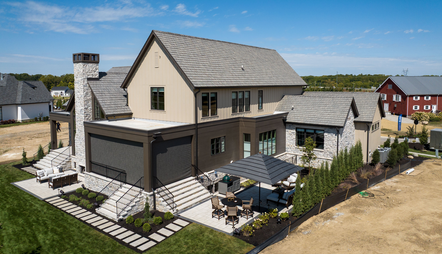
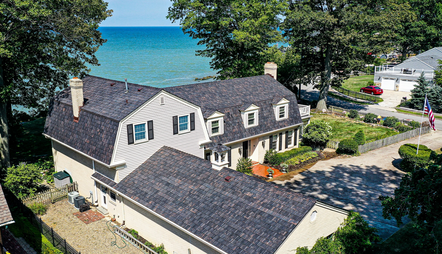
Severe storms, including hurricanes and tornadoes, can wreak havoc on a roof. Strong winds can be especially destructive, causing falling debris or damage to shingles and tiles.
If your roof is damaged by the wind, taking prompt action to repair any issues is necessary to prevent further damage to your home or business. The question becomes whether your property has sustained roof wind damage.
This article outlines what signs to look for and how to proceed if you suspect that you have roof wind damage. If you're ready to make the switch to a more durable and wind resistant roofing material, be sure to check out Brava Roof Tile.
Wind Speeds That Can Lead to Roof Damage
Even relatively low-speed winds can cause damage to a roof. This is especially true if your roof is older, or your current shingles or tiles have sustained some damage in the past.
While wind speeds of 45 miles per hour are enough to remove already-loose shingles and cause tree branches or limbs to fall, speeds as low as 30 miles per hour can also lead to damage.
Generally speaking, most roofs should be able to resist damage when speeds reach up to 110 miles per hour, and some materials (like those from Brava Roof Tile) can withstand top speeds of up to almost twice that figure (188MPH with nails and up to 211MPH with high wind / screw installation).
Areas of the country that regularly experience severe weather should be equipped with higher-quality roofing materials, especially since winds ranging from 75 to 90 miles per hour can cause significant, catastrophic damage.
As a quick reference for wind damage thresholds: 30–45 mph can loosen already-compromised shingles and drop debris. 45–60 mph will lift and remove weakened shingles and cause minor structural stress. 60–75 mph causes widespread shingle loss and can lift flashing and ridge caps. 75–90 mph produces catastrophic damage including torn-off roof sections on standard materials. Above 110 mph, most conventional roofing systems begin to fail structurally.
Brava's composite tiles are wind-rated to 188 mph with nail installation and 211 mph with high-wind screw installation, placing them among the highest-rated roofing products on the market.
How To Determine If Your Property Has Roof Wind Damage
It's important to inspect your roof for wind damage as soon as possible after a storm that has been accompanied by strong winds.
While it's recommended to reach out to a professional roofing contractor to schedule a roof inspection, you can do some preliminary examinations yourself. Just be sure not to put yourself in physical danger.
Roof wind damage can be evident in several places, so we recommend looking for the following signs of roof damage:
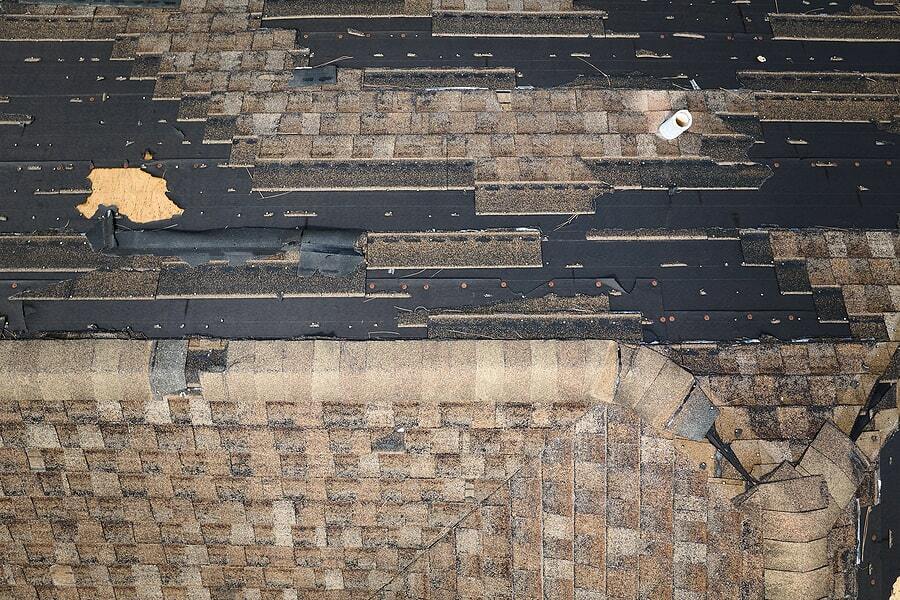
Missing shingles is one of the most obvious signs of roof damage. Strong winds can cause them to completely fly off and land in your yard. Therefore, you may notice shingles missing from your roof or notice that they've fallen off and been scattered around your property.
You can also take stock of your neighbor's roofs to see if you notice any damage. For example, if you have a better vantage point of their roof than your own and see damage next door, there's a decent chance that your roof is also damaged.
Look for damage to the shingles themselves. Loose, curling, peeling, or missing shingles can also result from high wind speeds. Curling and peeling shingles can let in water and lead to further roof damage.
Check for granule loss. If you have roof shingles, you'll notice that they have a granular surface that looks like sandpaper. These granules can come off during extreme weather, and though they're small, the granules are critical for reinforcing and protecting your roof.
Take note of any chimney damage or damage to other parts of your roof structure. A crooked chimney is a surefire sign that your roof has sustained damage. It's also a good idea to look for damage to the soffit, which is the exposed area under the eaves of the roof.
Look inside your home. Sometimes, roof damage is evident when you check inside the home. Specifically, any interior leaks or discoloration in the wall is a sign that your roof has been damaged by wind.
One useful way to distinguish wind damage from hail damage: wind damage tends to be directional. The side of the roof facing the prevailing storm winds typically shows more damage than other sides. Hail damage, by contrast, is more uniformly distributed across all roof surfaces. If you're seeing concentrated damage on one slope or facing, wind is the more likely cause. If the damage is scattered randomly across the full roof surface, hail is more likely responsible.
Can a Roof Damaged by Wind Be Repaired?
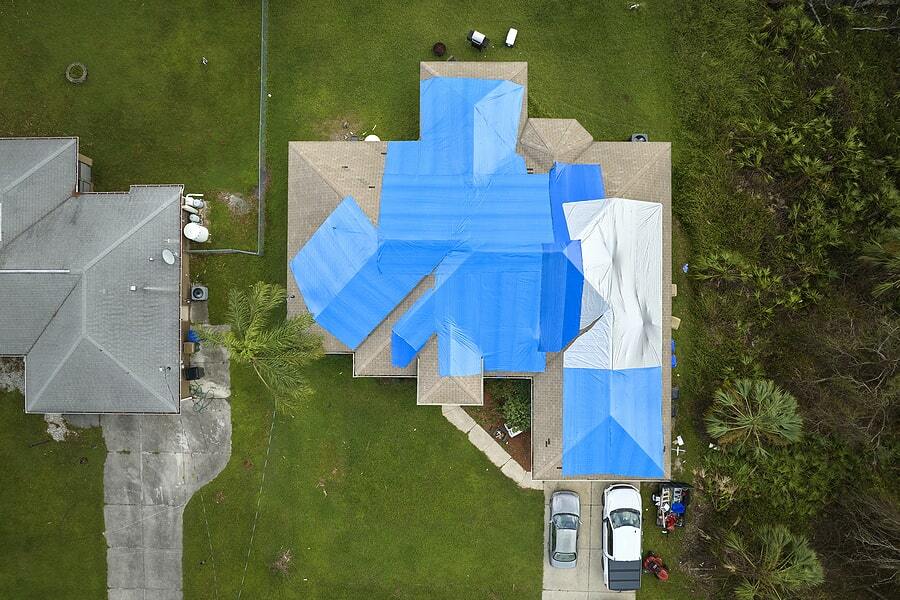
In most cases, the answer to this question is a resounding yes. Further, storm or wind damage may be covered by your homeowner's insurance policy. When repairing roof damage, it's important to select high-quality materials that can resist extreme weather conditions and future storms.
Prevent Roof Wind Damage With Brava Roof Tile
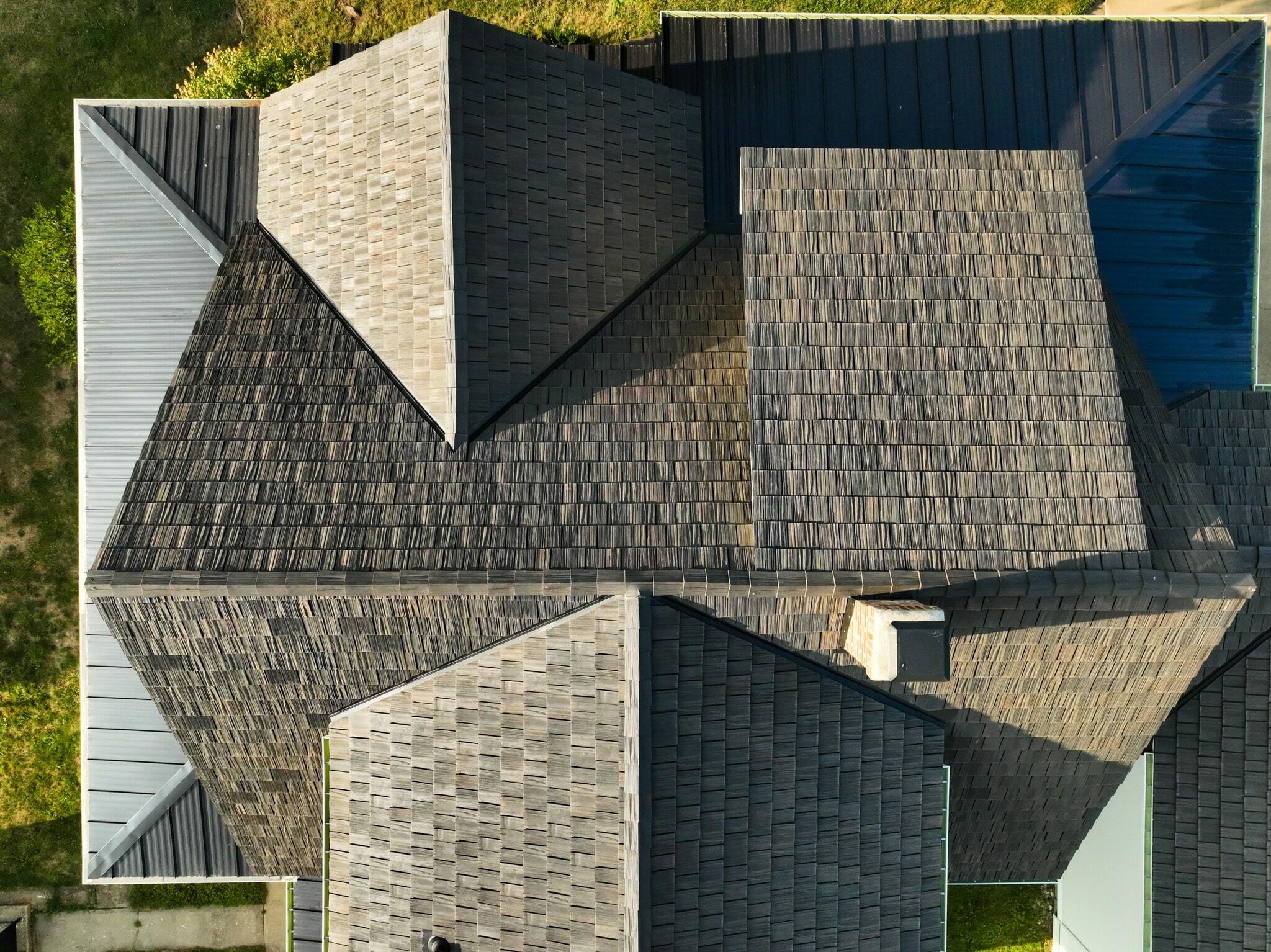
Prevention is the best defense against roof wind damage, which is why savvy homeowners are making the switch to highly wind-resistant roofing materials from Brava Roof Tile.
We manufacture synthetic roofing materials, including synthetic cedar shake, slate, and Spanish barrel tile, that are built to withstand wind speeds of up to 188 to 211MPH. Contact us today to request a sample or get a quote.
Frequently Asked Questions
How do I tell if my roof has wind damage?
Start from the ground and look for missing, curling, or visibly displaced shingles or tiles. Check gutters and downspouts for granule accumulation, which indicates surface damage to asphalt shingles. Look for damage to soft metal components like flashing, ridge caps, soffit, and fascia, which are often the first to show wind stress. Check your chimney for leaning or displacement. Inside the home, look for water stains on ceilings or walls near the roofline. Wind damage typically concentrates on the side of the roof facing the storm, so pay extra attention to the windward slope. When in doubt, a professional inspection is the right call, particularly before filing an insurance claim.
How fast does wind need to be to damage a roof?
Wind as low as 30 mph can cause damage to a roof that's already compromised, including loose shingles, aging asphalt, or areas of existing wear. At 45 mph, loose shingles can lift and fly off entirely. Speeds between 60 and 75 mph will cause widespread shingle loss and damage to flashing and ridge caps on standard roofing materials. At 75 to 90 mph, catastrophic structural damage becomes likely on most conventional roofs. Properly installed, high-quality roofing materials like Brava's composite tiles are rated to 188 mph with nail installation and 211 mph with high-wind screw installation, making them among the most wind-resistant products available.
What does wind damage look like on a roof?
Wind damage appears differently depending on the roofing material and wind speed. On asphalt shingles, look for missing shingles, shingles that are curling or peeling at the edges, exposed underlayment where shingles have blown off, and granule loss. On tile roofs, look for cracked, displaced, or missing tiles. On any roof, damaged or lifted flashing around chimneys, vents, and skylights is a common wind damage indicator. A crooked or shifted chimney is a serious structural sign. Inside the home, water staining on ceilings near exterior walls is often the first interior sign of wind-related roof breach. Wind damage is typically concentrated on one side of the roof facing the prevailing wind direction, which distinguishes it from hail damage, which tends to be more evenly distributed.
Will insurance pay for wind damage to a roof?
Most standard homeowners insurance policies cover wind damage to a roof under the dwelling coverage portion of the policy. However, coverage specifics vary significantly. Some policies in high-wind regions like coastal areas, tornado corridors, and hurricane zones carry separate wind deductibles that are higher than the standard deductible and are often calculated as a percentage of the home's insured value rather than a flat dollar amount. Document the damage with photos before any repairs, report the claim promptly, and request a written estimate from a licensed roofing contractor to support the claim. Your insurer will typically send an adjuster to assess the damage.
What should you not say to a roof insurance adjuster?
Avoid making definitive statements about the cause or extent of damage before the adjuster has completed their assessment. Don't agree verbally to settlement amounts on the spot without reviewing the written offer carefully. Avoid describing the damage as 'old' or 'pre-existing' unless you have documentation supporting that, as this can be used to reduce your claim. Don't make permanent repairs before the adjuster inspects the damage, though temporary protective measures like tarping are appropriate and usually required to prevent further loss. Getting an independent estimate from a licensed contractor before the adjuster visit gives you a useful benchmark and strengthens your position if there's a dispute about scope or cost.
Can wind damage be prevented with better roofing materials?
Yes, meaningfully. The roofing material and installation method are the two biggest factors determining how well a roof holds up in high-wind events. Impact and wind ratings aren't just marketing numbers: they reflect actual testing under standardized conditions. Brava's composite tile systems are rated to 188 mph with standard nail installation and 211 mph with high-wind screw installation, which covers wind speeds well beyond what most severe weather events produce. For homeowners in hurricane zones, tornado corridors, or areas with frequent severe storms, the difference between a standard-rated roof and a high-wind-rated roof can be the difference between a minor repair and a full replacement after a major storm. See Brava's guide to best roofing material for high winds for a full material comparison.