
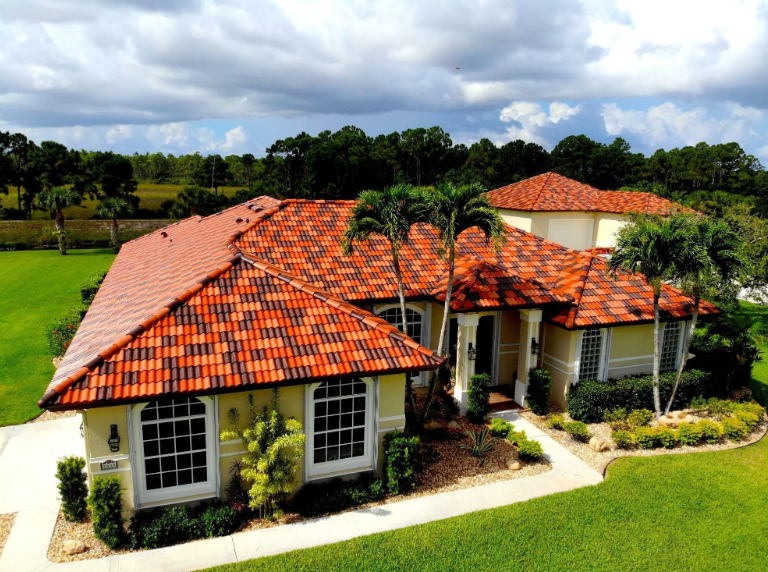
California is a place with unique weather and unique homes to match. The shapes and sizes of homes vary throughout the state, as do the materials that cover them. As a result, it can be a bit difficult to know what to choose when redoing your roof or constructing a new home.
California's Title 24 Energy Code requires roofing materials in many climate zones to meet specific solar reflectance and thermal emittance standards. This is known as the "Cool Roof" requirement and it directly affects which materials and colors you can legally install. Choosing a material that meets Title 24 upfront saves you the hassle of compliance issues during permitting and inspection.
Here's your guide to the best roof types in California, including the roofing materials you should use.
What Are the Best Roof Types in California?
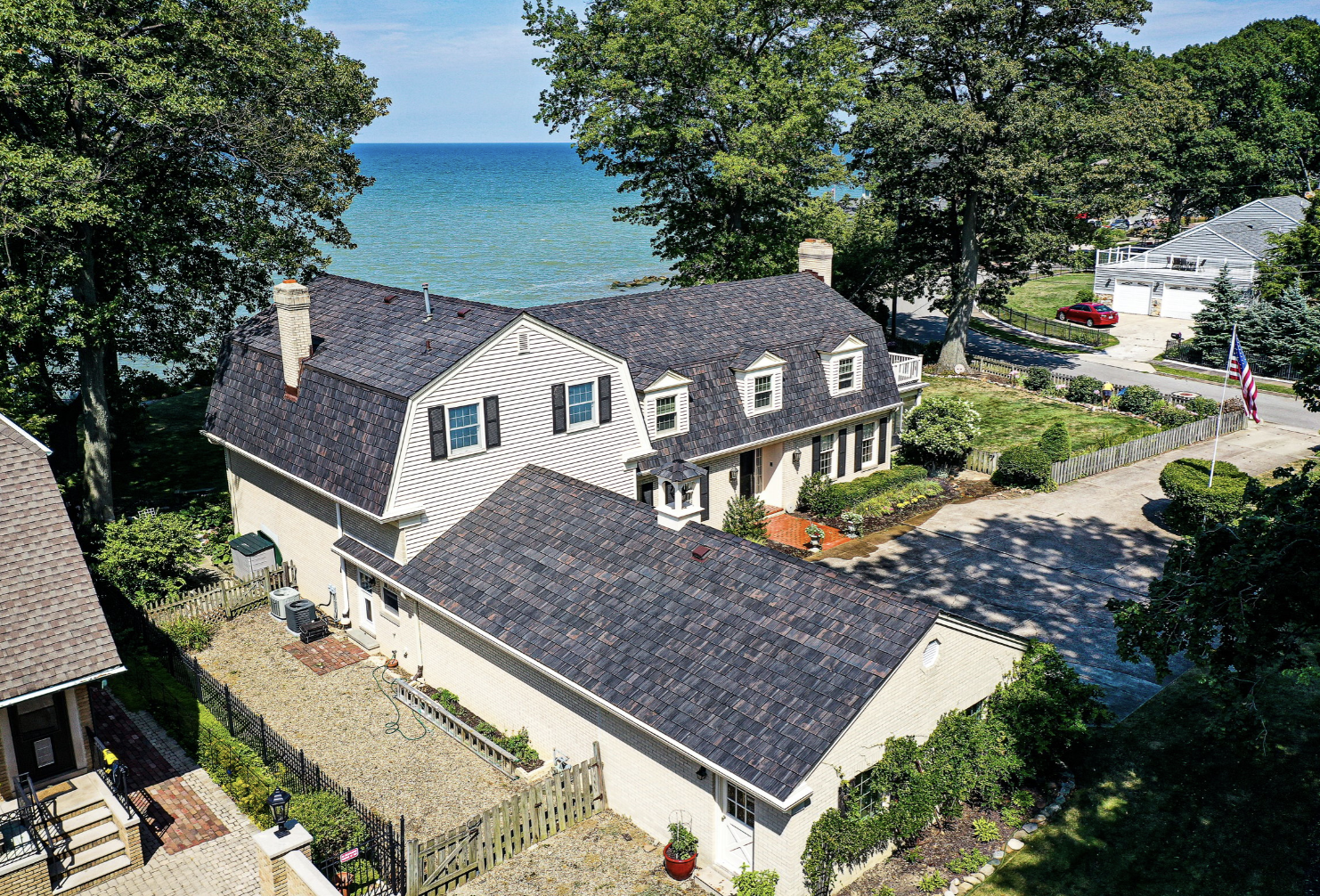
Every state is known for using specific styles of architecture. Fortunately, Californians have many different roof styles to choose from, which include:
Mediterranean
Mediterranean-style roofs traditionally use symmetry, with low-pitched slopes and broad overhanging eaves. Modern Mediterranean-style roofs combine different rooflines to make a more unique appearance, which can mean combining a gable roof with a mansard roof.
Spanish Revival
Spanish revival differs from the Mediterranean style in a few ways, though it also has many similarities. They often have low-pitched hipped roofs, though they may also have flat roof parapets. Spanish Revival roofs also have asymmetrical facades. The roof tiles, usually Roman or Mission-style tiles, are laid irregularly.
California Farmhouse
California farmhouses are simple in design, with rectangular floor plans and clean rooflines. The roofs are high-pitched with gabled, hipped, or shed combinations.
Mid-Century Modern
Mid-century modern homes are characterized by their clean lines and organic, streamlined forms that lack the embellishments in other styles. Flat roofs are common with mid-century homes, but you can also find low-sloping A-framed roofs.
Contemporary
Like mid-century modern, contemporary homes use unconventional materials to focus on clean lines and rounded spaces. These roofs often are flat or angular, making a dramatic appearance. They also have deep, open roof overhangs that double as awnings.
Tudor
Unlike many other styles found in California, Tudor-style homes feature steeply pitched roofs with one or more front-facing gables and dormers. They also have more elaborate forms and decorative features.
Craftsman
The Craftsman style is known for its simplicity; the roof is typically low-pitched with projecting eaves. Gables and formers are also on the roof, typically accented with decorative trim. Features like the rafters, roof brackets, ridge beams, eaves, and purlins are painted a contrasting color to make them more of a design element. You may also find a shed roof casing the front board former, creating a room on the upper level.
Ranch
Ranch houses also have low-pitched roofs. Most commonly, they are a hipped gable shape but can also be a cross-gable or side-gable with overhanging eaves.
What Makes a Roof Type Good for California
When considering the best roof types for your home in California, you need to consider the weather in your area, as well as the styles in the area.
While you don't have to follow the trends, you may not want to stand out completely.
California is often associated with heat and droughts, but this is not the only type of weather they receive. Southern California has a more Mediterranean climate, with rainy winters and dry, hot summers. This makes options like flat roofs and low-sloped styles excellent options. While a flat roof would need sufficient drainage, a low-pitched roof would allow rain to roll right off.
Central California remains hot and dry during the summers and rainier, foggy winters. In some areas, flat and low-pitched roof types are still viable options. As you get to the Sierra Nevada, Cascade Range, and Klamath Mountains, the summers become milder and winters cooler, with snow instead of rain. This makes higher-pitched roofs better, as they will minimize the amount of snow on roofs.
Northern California sees more rainfall than other parts of the state. Winters tend to be damp and mild, while the summers remain relatively hot and dry, though it remains a few degrees cooler than Southern areas. This makes flat and low-pitched roofs ideal options.
Wildfire risk is a factor across most of California, but especially in Southern California, the foothills, and the areas bordering wildland. The state's Wildland-Urban Interface (WUI) code requires Class A fire rated roofing assemblies in designated fire hazard severity zones. Before choosing a roofing material, it's worth verifying the requirements for your specific jurisdiction, as they can vary significantly by county and city.
Best Roofing Materials In California
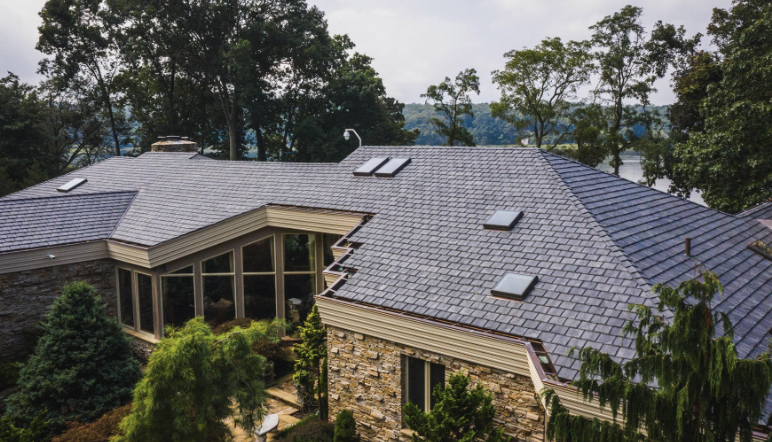
Generally, while most of California favors the same materials, the order changes depending on where you are. Here is a breakdown of the best roofing materials in California:
1. Composite or Synthetic Tiles
Composite and synthetic tiles are the most versatile roofing option in California, which is why they top this list. Engineered from recycled materials, they replicate the look of cedar shake, slate, and clay tile without the weight, cost, or maintenance demands that come with the real thing. They carry Class A fire ratings when installed as tested assemblies, making them code-compliant in California's WUI zones and high fire hazard severity zones. They also meet Title 24 Cool Roof requirements in select color options, which matters for new construction and significant re-roofing projects in many of the state's 16 climate zones.
The practical case for composite tile in California comes down to what it avoids. No structural reinforcement required. No rust risk in coastal environments. No cracking from UV exposure the way asphalt shingles degrade in inland and Southern California heat. With a lifespan of 50 years or more, Class 4 impact resistance, and wind ratings up to 188 MPH, they outperform most traditional materials on durability without the weight and cost tradeoffs. For homeowners who want the look of natural materials and the performance California's climate demands, composite tile delivers both.
2. Asphalt Shingles
Asphalt shingles are an affordable, easy-to-install material. They consist of a fiberglass mat doused in asphalt and coated in granules in various colors. There is the regular, cheaper 3-tab variety and a more expensive, higher-quality architectural asphalt shingle. They offer a decent lifespan, though not as good as other materials. Asphalt shingles are also more prone to cracking with temperature fluctuations and high heat, like what you find in the southern parts of the state.
Most architectural asphalt shingles carry a Class A fire rating, which satisfies basic California building code requirements. However, their susceptibility to UV degradation means you can expect a shortened lifespan in the intense sun of inland and Southern California compared to their stated warranty period. They are not generally considered a Title 24 Cool Roof product without specific coatings.
3. Metal Roofing
While, historically, metal roofs were primarily used on industrial buildings, today's homeowners are also opting for metal roofs. They are available in recycled copper, aluminum, and stainless steel and can be made to resemble wood shingles or shakes, slate, clay tile, and other expensive materials.
Metal is a long-lasting, lightweight, and highly durable option resistant to fire and high temperatures. It is also an energy-efficient option due to its reflectiveness, helping homeowners save on energy bills. On the downside, it is expensive, can be prohibited by HOAs, isn't ideal for coastal homes as it will rust, and is noisy when it rains, which not everyone finds comforting.
Many metal roofing products meet California's Title 24 Cool Roof requirements due to their natural reflectivity, making them a compliant option in climate zones that require it. Standing seam metal roofs also qualify for federal energy tax credits in some configurations.
4. Wood Shingles/Shakes
High-quality woods like cedar, redwood, and southern pine are popular materials for wood shakes and shingles. While machine-made varieties are smoother, hand-split options have a rougher, more rustic appearance.
While beautiful, it is an expensive option banned in California areas due to its flammability despite there being treatments that offer fire resistance. It is also susceptible to mold and rot without the proper treatments.
Following the 1991 Oakland Hills Firestorm, California progressively tightened restrictions on wood roofing. As of 2001, no wood roofing materials can be sold in California unless they have passed weathering tests, and fire-resistant treatment is required under Title 24. Even treated wood shakes are prohibited outright in many WUI zones and high fire hazard severity zones. Many insurance carriers refuse coverage for homes with wood roofing regardless of treatment, or charge significantly higher premiums. For homeowners who want the look of cedar or wood shake, synthetic composite shake is the practical alternative.
5. Clay Tile
Clay is more eco-friendly than concrete and can last over 100 years. It is a beautiful option for Mediterranean and Spanish-style homes, offering a unique, authentic European look. They are also highly durable and fire-resistant, though they are unsafe to walk on.
Unfortunately, clay is extremely expensive and heavy; roofs must be designed to support that weight or reinforced to ensure they don't collapse.
Clay tile carries a Class A fire rating and is widely approved in California's WUI zones, making it one of the safer material choices from a code compliance standpoint. The structural reinforcement requirement is a real cost factor to plan for, typically adding thousands of dollars to installation on homes not originally built for tile.
6. Slate Roofing
Slate comes in many different colors due to the chemical and mineral makeup of the material, making it easy to have a beautiful, unique roof. This combination also affects the material's response to weather, creating a weathered look. Like clay, it is extremely durable to the elements and has an equally long lifespan.
It is also heavy, like clay, meaning the roof decking must be reinforced to support the weight of the material. Slate is also very expensive to buy and install.
Natural slate is Class A fire rated and code-compliant in virtually all California jurisdictions, including WUI zones. Its main barriers remain cost and the requirement for specialized installers, both of which are more pronounced in California than most other states due to labor market conditions.
Best Roofing Material for Northern California
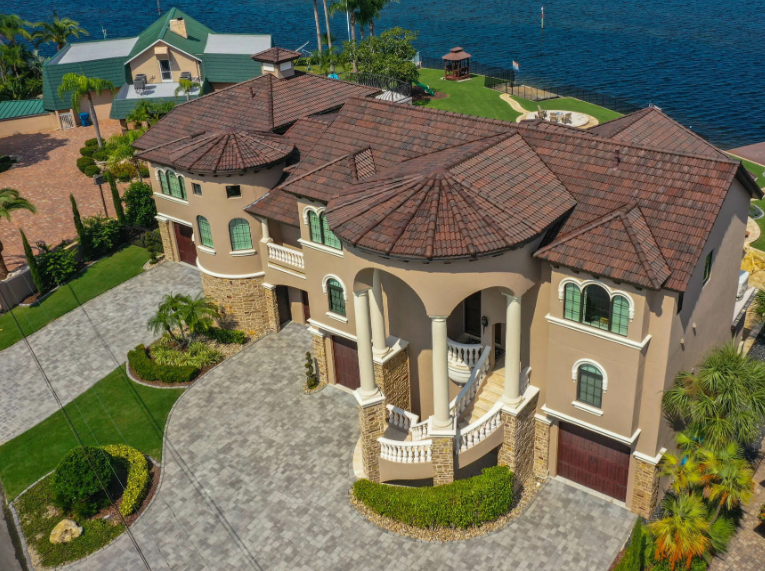
Northern California's climate is distinct from the rest of the state. Coastal areas like San Francisco and the surrounding Bay Area experience cool summers, heavy marine layer, and wet winters. The further north and inland you go, the more pronounced the seasonal swings become, with areas like Redding and the Sacramento Valley reaching extreme summer heat while the northern coastal ranges stay mild and wet.
1. Composite Tile
Composite tile is one of the strongest options for Northern California because it handles the region's range of conditions without the tradeoffs of natural materials. It's lightweight, Class A fire rated, resistant to moisture and freeze-thaw cycling in higher elevation areas, and available in profiles that suit the Craftsman, Tudor, and Farmhouse styles common throughout the region. Brava's composite shake and composite slate profiles are particularly well-suited to NorCal architecture.
2. Metal Roofing
Metal performs well in Northern California's wet winters due to its resistance to moisture and mold. Its reflective properties also help manage the intense summer heat in inland areas. For coastal homes, aluminum or zinc options are preferable to steel to reduce corrosion risk from salt air.
3. Asphalt Shingles
Asphalt performs adequately in Northern California's milder coastal zones, where UV degradation is less aggressive than in the south. For inland areas with high summer heat, the lifespan reduction from UV exposure is still a factor to consider.
4. Clay and Concrete Tile
Clay tile is less common in Northern California architecture but performs well from a durability standpoint. Concrete tile is a more budget-friendly alternative to clay that carries similar performance characteristics and is used widely in newer construction across the Sacramento Valley and Central Valley regions.
Best Roofing Material for Central California
1. Composite Tile
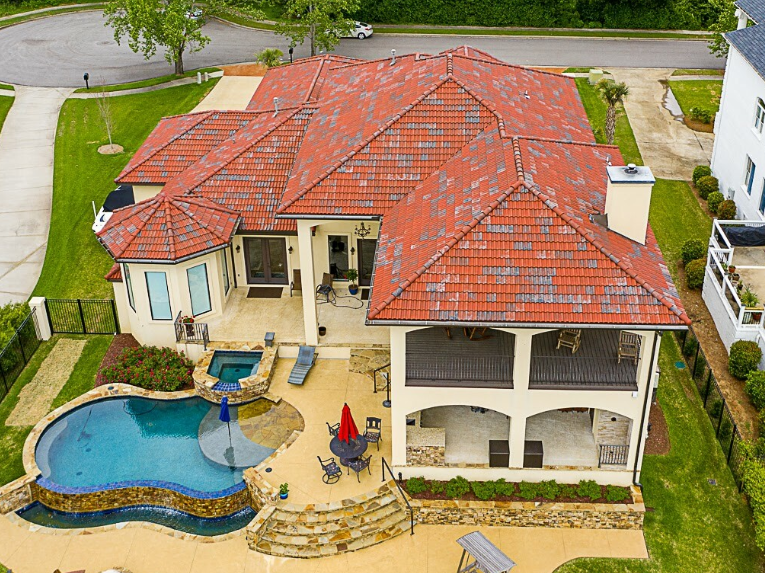
Central California's climate swings between intense valley heat and cooler, wetter conditions in the foothills and higher elevations. Composite tile handles that range without the tradeoffs that limit other materials in the region. It's lightweight, Class A fire rated for homes in designated fire hazard severity zones, and won't crack or degrade under the prolonged UV exposure that Central California summers deliver. For homeowners who want the look of clay tile or cedar shake without the weight and maintenance, it's the most practical option across the region.
2. Asphalt
Affordability plays a significant role in the popularity of asphalt shingles. Central California's climate is perfect for this option and properly installed, high-quality asphalt shingles can last up to 30 years.
You can still expect them to degrade over time, and while durable, they will not withstand high winds. And they aren't an environmentally friendly option.
3. Tile Roofing
While expensive, tile roofs offer a long lifespan and extreme durability, withstanding strong winds, fire, heat, and rain. They also offer a beautiful Mediterranean and Spanish-style appearance that can enhance any home.
You need to remember the weight of the material as, without the proper support, your roof can sag or collapse. Cost is another significant issue.
4. Metal Roofs
Metal roofs reflect heat, helping keep homes cooler and providing an energy-efficient roof solution. It is also fire and rain-resistant. While it is lightweight, it is also expensive and not necessarily easy to install.
5. Wood Shakes/Shingles
Wood shakes and shingles are natural options that can be treated for fire and water resistance, though some areas will still not allow them. They provide a beautiful, rustic look, perfect for areas close to the mountains, though you want to keep costs and maintenance requirements in mind.
Best Roofing Material for Southern California
1. Composite Tile
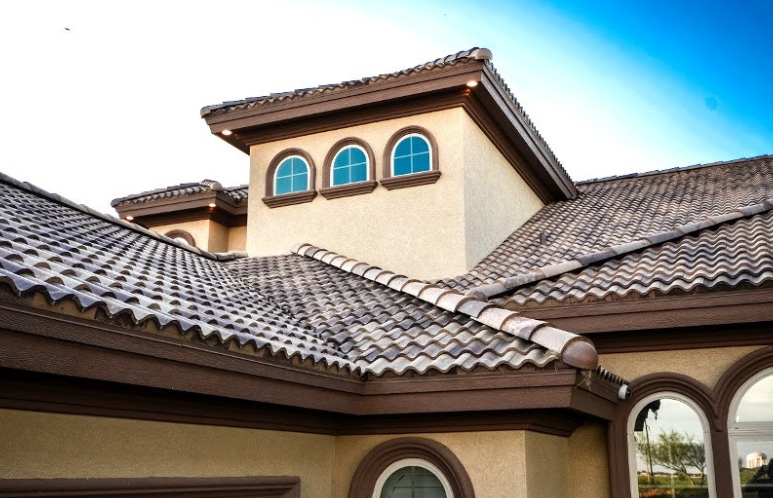
Southern California's combination of intense heat, wildfire risk, and coastal conditions makes composite tile the strongest all-around option for the region. It carries a Class A fire rating for homes in the WUI zones and Very High Fire Hazard Severity Zones that cover large portions of Los Angeles, San Diego, Ventura, and Riverside Counties. It's lightweight, so no structural reinforcement is required, and unlike steel metal roofing, it won't corrode in coastal salt air environments. For homes where clay tile or slate would require expensive structural work, composite tile delivers the same fire performance and aesthetic without the added cost.
2. Metal Roofing
As mentioned before, metal is a very durable material resistant to fire and heat, which is why many consider it the best roofing material for Southern California. If you don't like the look of metal, it can be painted to look like other materials, like cedar shakes, asphalt shingles, and more.
Remember that it is expensive and rain hitting it will be noisy, which can be bothersome to some.
3. Clay and Concrete Tiles
Clay tiles are common in California and offer durability and longevity. They also help keep homes cooler, as they don't trap heat. Their durability means that clay is resistant to earthquakes, winds, and fire.
Their weight creates installation difficulties and adds labor costs to an already expensive material.
4. Slate Roofing
Slate is a unique, highly durable material with excellent longevity. It is fire-resistant and helps lower heat absorption, making homes cooler, and the lighter the color, the more heat will be reflected.
The weight and cost are the most significant downsides; it is heavy and requires roof reinforcement to support the weight. It is also expensive, both for the material and installation.
5. Asphalt
Again, most homeowners opt for asphalt because it is affordable, fairly durable, and easy to install. Unfortunately, asphalt doesn't hold up to heat well, and the intense sun of Southern California will degrade shingles over time and need to be replaced.
Southern California's wildfire risk adds a critical layer to any roofing decision. Homes in areas like Los Angeles County, San Diego, Ventura, and Riverside Counties frequently fall within designated Very High Fire Hazard Severity Zones where Class A roofing assemblies are required by code. The 2025 LA wildfires reinforced how quickly fire spreads through communities where roofing materials are not adequately fire rated. If your home is in or near a fire-risk area, Class A compliance isn't just a code requirement. It's the baseline.
Brava: The Best Roofing Materials in California
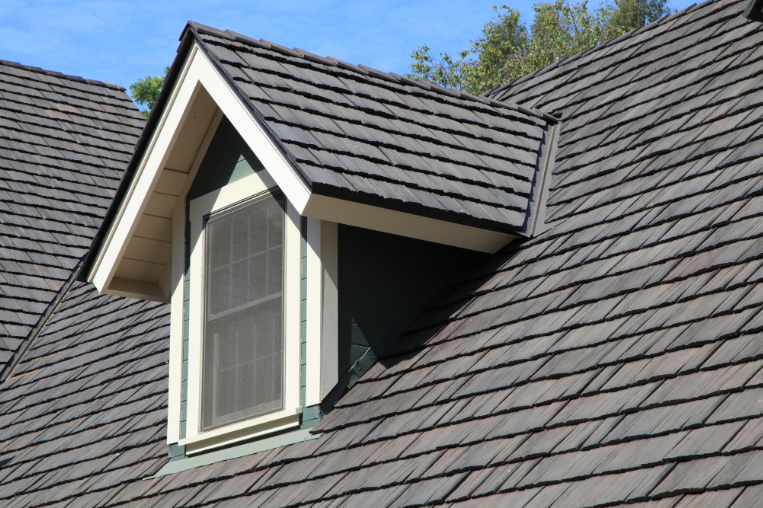
While every item on this list has benefits, they also have drawbacks: they are expensive, heavy, require maintenance, or, like wood shakes and shingles, aren't allowed everywhere.
However, there is a better option that offers beauty and durability without any of the drawbacks: Brava Roofing Tile.
Brava Roof Tile specializes in composite roofing materials made from recycled materials. These environmentally friendly, sustainable products offer an unrivaled performance and are the best alternative to traditional clay, slate, and cedar shake roofing. These tiles offer:
Fire Resistance: Class A and Class C
Impact Resistance: Class 4
Wind Resistant: 188 MPH with nails and 211 MPH with high wind/screw installation
Lightweight: they weigh a fraction of the authentic material
Fade-resistant
Brava is also the only manufacturer offering a Title 24-compliant white Spanish barrel tile, meeting California's Cool Roof requirements. For cedar shake, the Woodland and Driftwood color options are Title 24 certified cool roof products, which matters for homes in California's climate zones 4 and 8 through 15 where cool roof compliance is required for new construction or significant re-roofing.
Cedar Shake
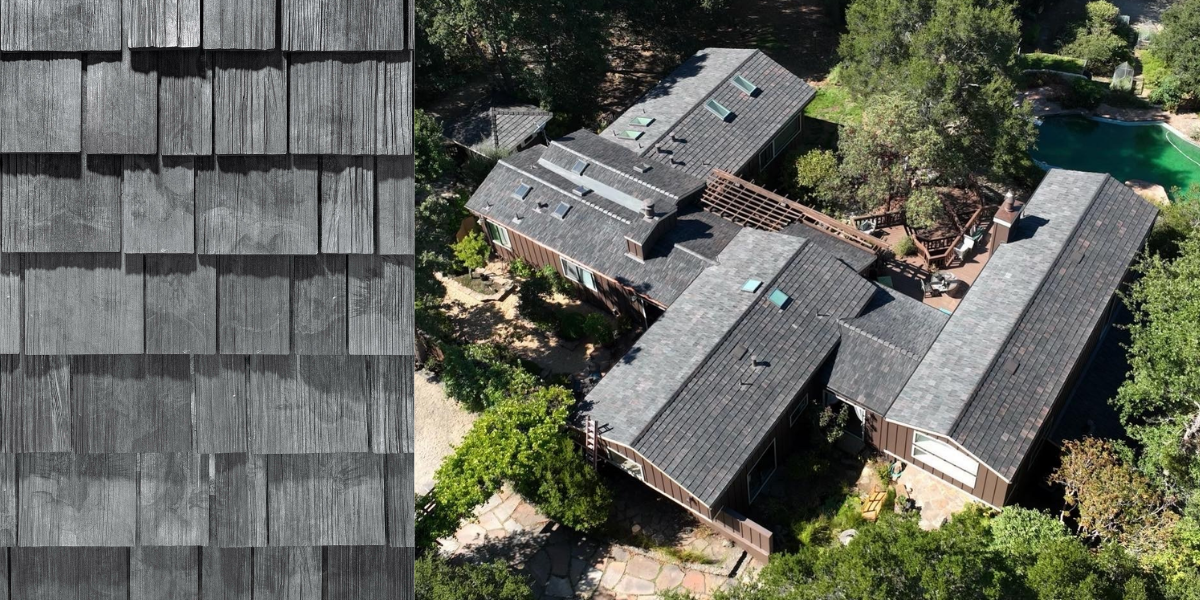
The synthetic cedar shake by Brava has the realistic appearance of hand-split cedar shakes, coming in different widths and thicknesses to allow for a more realistic roof layout. They come in many color variations, with 14 color options, including white and two cool roof varieties, "Cool Lake Forest," a weathered-looking gray with darker striations, and "Cool Weathered," a deep brown with hints of gray and black.
Synthetic Slate
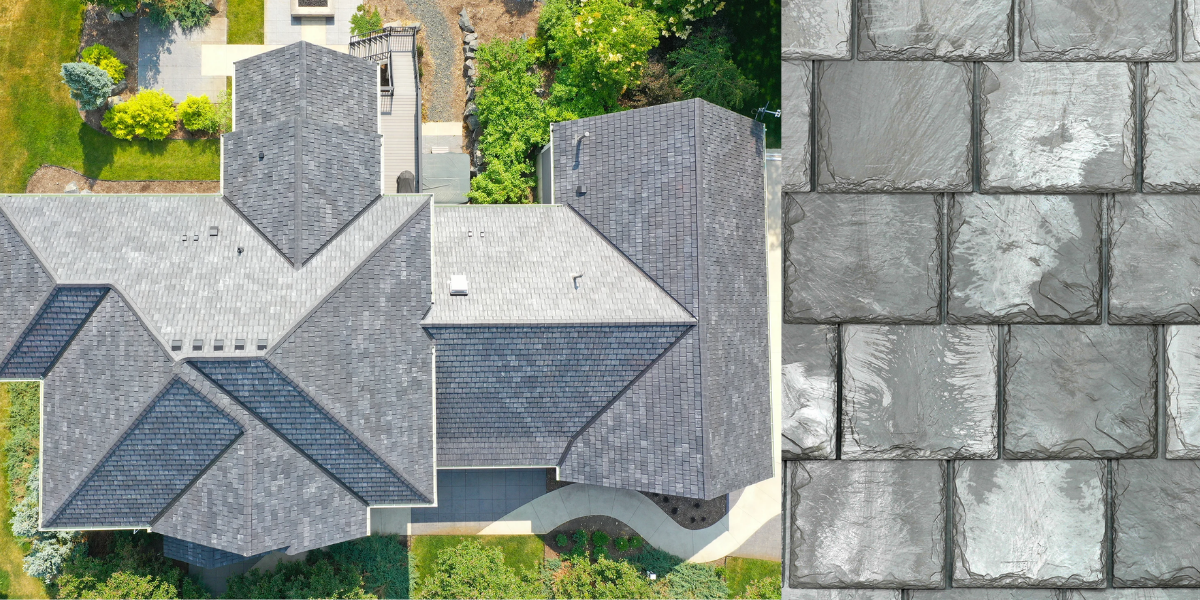
Brava's Synthetic Slate has the appearance of natural quarried slate without the weight. It has different widths, with 12" standard and 6", 9", and 12" multi-width slate options. It comes in 15 colors, including "Arendale," a beautiful dark gray, and "European," a darker gray with reddish hues.
Spanish Barrel Tile
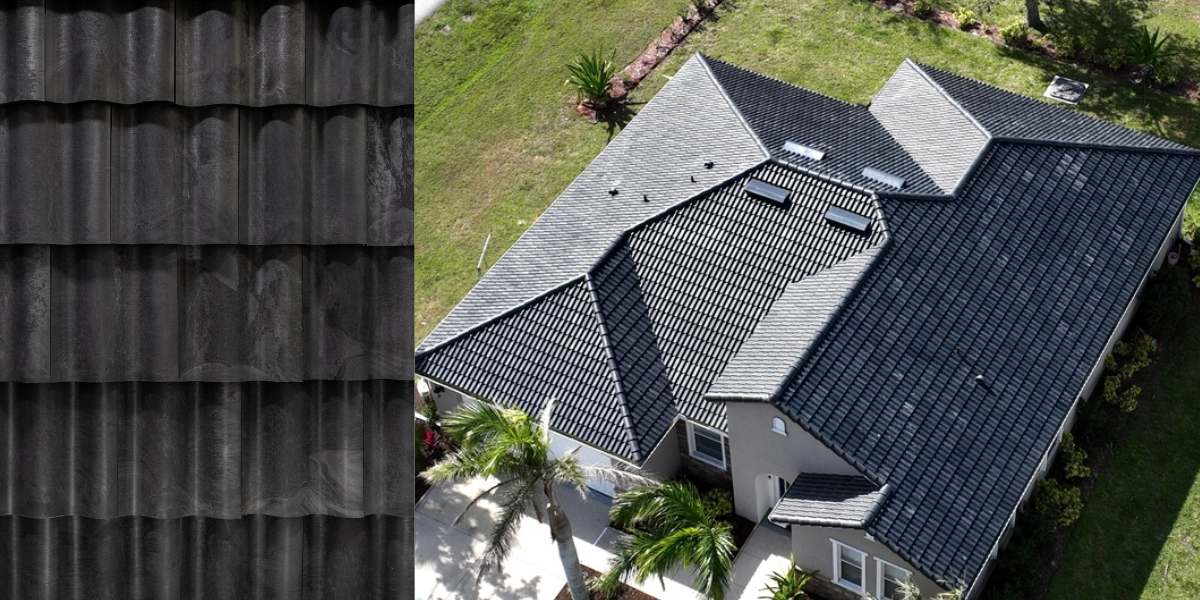
Brava's Spanish barrel tiles have the warmth and beauty of traditional clay tiles without their weight. They feature the iconic barrel design and use a unique coloring system, creating an unrivaled look in the industry. With 17 color options, like "Antique Clay," a more traditional clay color, and "Mediterranean," which has hints of black, there is no shortage of possible combinations for a unique roof.
Brava's Spanish barrel tile is also the only third-party tested and Miami-Dade County-approved synthetic barrel tile on the market, a wind resistance certification that directly translates to performance in Southern California's Santa Ana wind events and coastal storm conditions.
The Best of the Roof Types in California
California is a beautiful place with a climate that varies depending on where you live. This means your roofing needs can vary as well; what may be best for Southern California may not be best for the North when you look at traditional materials.
Brava offers an alternative that works everywhere, offering the best of materials like clay, slate, and cedar shakes without any of the usual drawbacks. With Brava, your home is protected from any weather that could hit California and looks beautiful.
Ready to find the right composite tile for your California home? Request a sample from Brava today and see the quality for yourself.
Frequently Asked Questions
What is the best roofing material for California?
There isn't a single answer because California's climate varies so dramatically by region. That said, composite tile is the most versatile option across all California regions. It handles the heat and wildfire risk of Southern California, the wet winters of Northern California, and the temperature extremes of inland and foothill areas, all while meeting Class A fire rating requirements and California's Title 24 Cool Roof standards in compliant color options. Clay tile and metal are also strong performers but come with weight and cost tradeoffs that composite tile avoids.
What type of roof is best for Southern California?
In Southern California, fire resistance and heat performance are the two most important factors. Clay tile, metal, and composite tile all carry Class A fire ratings and handle heat well. Clay tile is the traditional choice for Mediterranean and Spanish-style homes common in the region, but the structural reinforcement requirement adds cost. Metal performs well but can be noisy and is less suited for coastal homes near salt air. Composite tile hits all the same performance marks without the weight, structural requirements, or coastal corrosion concerns.
What is the best roofing material for Northern California?
Northern California's combination of wet winters, coastal marine layer, and hot dry summers makes moisture resistance and heat reflection both important. Metal roofing and composite tile are the top performers for this region. For homes in higher elevation areas with occasional snow, composite tile's freeze-thaw resistance is a meaningful advantage over asphalt, which can crack under those conditions. For coastal homes, aluminum-based metal or composite tile avoids the rust risk that affects steel in salt air environments.
Does California have roofing material restrictions?
Yes, in several ways. Title 24 requires Cool Roof certified products in many of California's 16 climate zones for new construction or significant re-roofing. The WUI code requires Class A fire rated roofing assemblies in designated fire hazard severity zones, which cover large portions of Southern California, the foothills, and areas bordering wildland. Wood roofing is restricted or banned outright in most high-risk fire areas, and no untreated wood roofing products have been legally sold in California since 2001.
Is a metal roof worth it in California?
Metal roofing is a strong performer in California, particularly in Southern California where heat and fire risk are primary concerns. Its reflectivity helps with energy efficiency and it carries a Class A fire rating. The main tradeoffs are cost, noise during rain, and corrosion risk for steel products in coastal environments. For homeowners who want the look of natural materials like cedar shake, slate, or clay tile, composite tile delivers comparable performance at a lower installed cost without the metal-specific limitations.