California homeowners replacing or installing a roof have one priority in common: a material that lasts for decades, requires minimal maintenance, and holds its curb appeal.
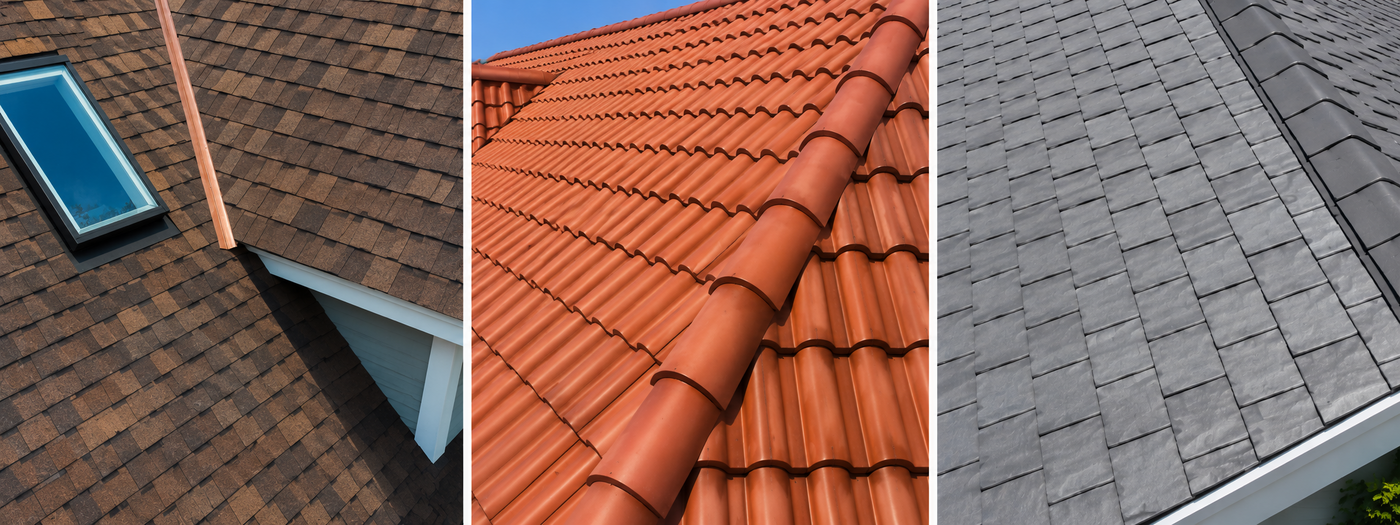
Three of the most popular roof tiles for upscale homes include slate, cedar shake, and clay barrel tiles. Each offers extended durability and high curb appeal, but comes with a high price tag for installation and maintenance. This article will present some options that provide the long life and beauty of natural roofing materials, without the high cost of installation and maintenance.
California's climate adds a layer of complexity to any roof lifespan estimate. UV intensity, wildfire smoke, coastal salt air, seismic activity, and the wide temperature swings between inland valleys and coastal regions all affect how long a roof actually lasts versus how long the manufacturer says it should. The numbers below reflect general California conditions, not just manufacturer warranties.
California Roof Life Expectancy by Material
Here's a quick reference before we go into detail on each material:
Material | Typical Lifespan | CA Climate Factor | Fire Rating |
Natural Slate | 50-75+ years | Minimal impact | Class A |
Clay Barrel Tile | 50–100 years | Ideal for SoCal heat | Class A |
Concrete Tile | 40–50 years | Good; fades in UV | Class A |
Metal Roofing | 40–70 years | Coastal rust risk | Class A |
Cedar Shake (natural) | 20–30 years | Restricted/banned in many areas | Class C (treated only) |
Asphalt Shingles | 15–25 years | UV degrades faster | Class A (architectural) |
Composite Tile (Brava) | 50+ years | Engineered for CA climate | Class A |
Natural Tile Roof Life Expectancy

How long a roof will last in any given region depends somewhat on the weather extremes it is exposed to. However, there are some general guidelines that can be used to determine an average life expectancy for a roofing tile.
Natural Slate Tile
Slate is produced in mines located in Brazil and Spain, as well as the U.S., Britain, and Asia. It has been used as a roofing material for centuries and has proven its value by being the premier roofing material on homes and castles of distinction. A slate roof can last 50 to 75 years, or more, if properly maintained. However, installation and maintenance are the two biggest factors that make natural slate difficult to fit in the budget.
Installation
Slate is extremely heavy, which leads to three potential cost issues:
Transportation costs are higher.
Your roof structure may need to be upgraded to support the weight.
Roofing contractors charge more for specialty slate installation.
Installation requires professional roofers experienced with slate tiles and equipped with the specialty tools and fasteners required to safely work on this type of roof. These contractors are much more expensive than a regular roofer. Maintenance will also be expensive, because the same specialty roofers will be needed to repair any damage.
In California's context, slate is one of the most fire-resistant options available, carrying a Class A rating, and it is approved for use in WUI zones and high fire hazard severity zones throughout the state. Its weight, cost, and installation complexity are the primary barriers, not performance.
Clay Barrel Tiles

Clay roof tiles have been used for more than 10,000 years, dating back to their first use in China and the Middle East. Over time, they became popular in Europe and the U.S. because the raw material was easy to source, production was simple, and their lifespan was five decades or longer. Southern California homes found clay barrel tiles to be a perfect fit for the hot, humid weather they often experience.
Like slate, however, installation and maintenance can be a budget roadblock for many would-be owners:
On average, clay roof tiles weigh between 9.5 and 12 pounds per square foot, up to four times as much as an asphalt shingle roof. This means your new roof will need to be engineered to carry the additional load, or your existing roof will need additional support structure.
Regular roofing contractors will not be familiar with the tools and procedures necessary to install clay tiles. You will need professionals who know how to properly handle and install them to ensure there are no leaks and minimum breakage.
Maintenance will have to be done by the same professionals to ensure that tiles aren't broken and repairs are done safely.
For California specifically, clay tile is one of the most climate-appropriate materials for Southern California's Mediterranean climate. It doesn't trap heat, holds up well against UV exposure and seismic activity, and carries a Class A fire rating. The 50 to 100 year lifespan makes it one of the longest-lasting options available in the state when properly installed.
Concrete Tile
Concrete tile is the more affordable alternative to clay and shares many of the same performance characteristics. It's widely used throughout California, particularly in newer residential construction in the Sacramento Valley, Inland Empire, and San Diego regions. A well-installed concrete tile roof typically lasts 40 to 50 years in California conditions.
The tradeoff versus clay is weight (comparable or slightly heavier), color fade over time due to UV exposure, and a lifespan that, while long, doesn't reach clay's potential. Concrete tile is Class A fire rated and approved for WUI zones. It's a practical middle ground between the durability of clay and the cost of asphalt.
Cedar Shake Roofing
Cedar shake roofing has been popular throughout America for decades because of the rugged character it adds to a home, its insulating value compared to other roofing options, and the fact that it is lightweight. A natural cedar shake roof has an expected lifespan of 20 to 30 years if proper maintenance is performed.
However, wood roofing products became an issue in California due to the high incidence of forest fires every year, and severe restrictions were placed on their use. Additionally, cedar, though insect resistant, is not insect proof and therefore subject to infestation unless treated. Cedar shakes also provided a suitable environment for mold and algae wherever moisture pockets were found.
In California specifically, untreated wood shake has been prohibited since 2001 and must be replaced in most jurisdictions. Many WUI zones ban wood roofing entirely regardless of treatment level. The practical lifespan of a treated wood shake in California is further shortened by the degradation of fire-retardant treatments, which need periodic reapplication. For a full breakdown of California's restrictions, see the wood shake roof in California guide.
Asphalt Shingles
Asphalt shingles are the most common roofing material in the U.S. and are widely used in California, particularly in Central and Northern California where UV intensity is somewhat less extreme than Southern California. In mild California climates, architectural asphalt shingles can reach their 25 to 30 year warranty lifespan.
In Southern California's intense UV environment, inland valleys with extreme heat, or coastal areas with salt air exposure, that lifespan shortens noticeably. Homeowners in those regions should plan for 15 to 20 years of realistic service life rather than the stated warranty period. Asphalt shingles also have limited fire resistance relative to tile options, though most architectural shingles carry a Class A fire rating.
Metal Roofing
Metal roofing offers a 40 to 70 year lifespan in California conditions when properly installed. Its natural reflectivity makes it one of the better options for heat management, and most metal roofing products achieve Class A fire ratings without additional treatment.
The California-specific caveat is coastal environments. Steel roofing exposed to salt air is susceptible to rust, which shortens lifespan significantly. Aluminum and zinc options are more appropriate for coastal California homes. In fire-risk inland areas and Southern California, metal performs well and its non-combustible nature makes it one of the more fire-resistant options available.
What Affects Roof Life Expectancy in California Specifically
Manufacturer lifespan estimates are typically based on average North American conditions. California introduces factors that can meaningfully shorten or in some cases extend those estimates depending on where you live in the state.
UV Exposure
California's solar intensity, particularly in Southern California, the Central Valley, and inland areas, accelerates UV degradation on asphalt, painted metal, and some composite products. Materials that are inherently UV-stable, such as slate, clay, and properly formulated composite tile, hold up significantly better over decades of exposure.
Wildfire Smoke and Ember Exposure
Even for homes that don't burn in a wildfire, repeated exposure to smoke and airborne embers causes cumulative surface degradation on some roofing materials. More importantly, a roof that isn't Class A fire rated in a fire-risk area is a liability that shortens the effective useful life of the home's protection regardless of the material's nominal lifespan.
Seismic Activity
California's seismic activity creates low-level, ongoing stress on roofing systems over time. Heavy materials like natural slate and clay require proper structural support not just for dead load but for seismic load. Lightweight materials like composite tile and metal are less affected by this factor.
Coastal Salt Air
Salt air accelerates corrosion on metal fasteners, flashing, and any metal roofing components. Steel rusts, and even non-metal roofing loses its fastener integrity faster in coastal environments without proper material selection and installation. Composite tile and clay are largely immune to this issue.
Temperature Swings
The freeze-thaw cycling in higher elevation California areas and the dramatic day-to-night temperature swings in desert and inland regions cause thermal expansion and contraction in roofing materials. Materials that absorb water are more vulnerable because water expands when it freezes. Low-absorption materials like slate, composite tile, and metal handle this better than asphalt and untreated wood.
Brava Synthetic Roofing Tiles: Beauty, Durability, and a 50-Year Warranty

Unlike natural roofing materials, synthetic composite tiles are manufactured to withstand the elements, meet most codes in the U.S., offer easy installation, and require no maintenance.
Brava's roof tiles are manufactured from recycled materials and can be recycled again rather than going to a landfill. They are engineered to meet California's Title 24 requirements and carry Class A fire ratings for use in WUI zones throughout the state. Our synthetic options perfectly mimic their natural counterparts:
Brava Spanish Barrel Tile: perfect for California's weather extremes, as they can handle the heat and freezing cycles without damage. The only third-party tested and Miami-Dade County-approved synthetic barrel tile on the market.
Brava Old World Slate: looks like slate, comes in an almost unlimited color selection, and is molded from actual pieces of slate in multiple widths and thicknesses. Without the weight or structural reinforcement requirements.
Brava Cedar Shake: one thing a real shake can't do without treatment is carry a Class A fire rating. Brava's shakes do. They also offer two Title 24 cool roof compliant color options, and insects don't eat composite tile.
Brava synthetic roof tiles carry a 50-year limited warranty and can be shipped to most places in the world. Contact us today for more information and free samples.
Frequently Asked Questions
How long do tile roofs last in California?
Clay tile roofs in California typically last 50 to 100 years with proper maintenance. Natural slate can exceed 100 years. Concrete tile generally lasts 40 to 50 years. Composite tile, such as Brava's synthetic options, is engineered for a 50-year lifespan and backed by a 50-year limited warranty. California's UV intensity and coastal salt air can shorten lifespans for materials that aren't inherently UV-stable or corrosion-resistant, which is why material selection matters more here than in many other states.
How long does a tile roof last in Southern California?
In Southern California, clay tile and composite tile are the most durable long-term options. Clay tile handles the heat, UV, and seismic conditions well and can last 50 to 100 years. Composite tile is engineered to perform in these same conditions and carries a 50-year warranty. Asphalt shingles tend to underperform their stated lifespans in Southern California's intense UV environment, with realistic service lives of 15 to 20 years rather than the 25 to 30 years indicated on the warranty. Metal roofing performs well inland but requires aluminum or zinc options near the coast to avoid rust.
What is the life expectancy of a tile roof?
The life expectancy of a tile roof varies by material. Natural clay tile typically lasts 50 to 100 years. Concrete tile averages 40 to 50 years. Natural slate can last 75 to 150 years or more. Composite tile engineered for long-term performance carries warranties of 50 years and is designed to last at least as long. All of these estimates assume proper installation, adequate structural support, and basic maintenance such as keeping debris clear and addressing any broken tiles promptly.
Is a 20-year-old tile roof too old?
Not necessarily. A 20-year-old clay or composite tile roof still has decades of life left if it was properly installed and has been maintained. A 20-year-old concrete tile roof is approaching the middle of its lifespan. A 20-year-old asphalt shingle roof in California, especially Southern California, is likely approaching the end of its reliable service life and should be inspected carefully. The material matters more than the age when evaluating whether a tile roof needs replacement.
What shortens roof life in California?
The primary factors that shorten roof life in California are UV degradation, wildfire and ember exposure, coastal salt air corrosion, seismic stress on heavy materials, and temperature swings in inland and desert areas. For asphalt shingles, UV is the dominant factor. For metal, coastal corrosion is the primary risk. For natural cedar shake, fire restrictions and moisture retention are the biggest issues. Clay, slate, and composite tile are the most resistant to California-specific climate stress across the state.
What is the best roofing material for longevity in California?
Natural slate offers the longest potential lifespan but comes with weight, cost, and installation barriers that make it impractical for most homes. Clay tile is the most practical long-life natural material for California, particularly in Southern California. Composite tile offers comparable longevity at lower weight and cost, with Class A fire ratings and Title 24 compliance built in. For California homeowners who want the best combination of lifespan, fire safety, low maintenance, and code compliance, Brava's composite tile systems are the most complete option available.