Wildfires have changed how a lot of homeowners think about their roofs. What used to be a distant concern is now a practical one for millions of people across the West, the South, and increasingly other parts of the country where fire season has become a real season.
The roof is the most exposed surface on a home and the most common point of ignition in a wildfire event. Embers travel. They land on roof surfaces and in roof valleys and gaps, and if the material can't resist ignition, the rest of the home doesn't get much of a chance. Choosing fire resistant roofing materials isn't just about checking a code requirement box. It's about understanding what those ratings actually mean, how they're tested, and which materials perform when it counts.
Understanding Fire Ratings for Roofing
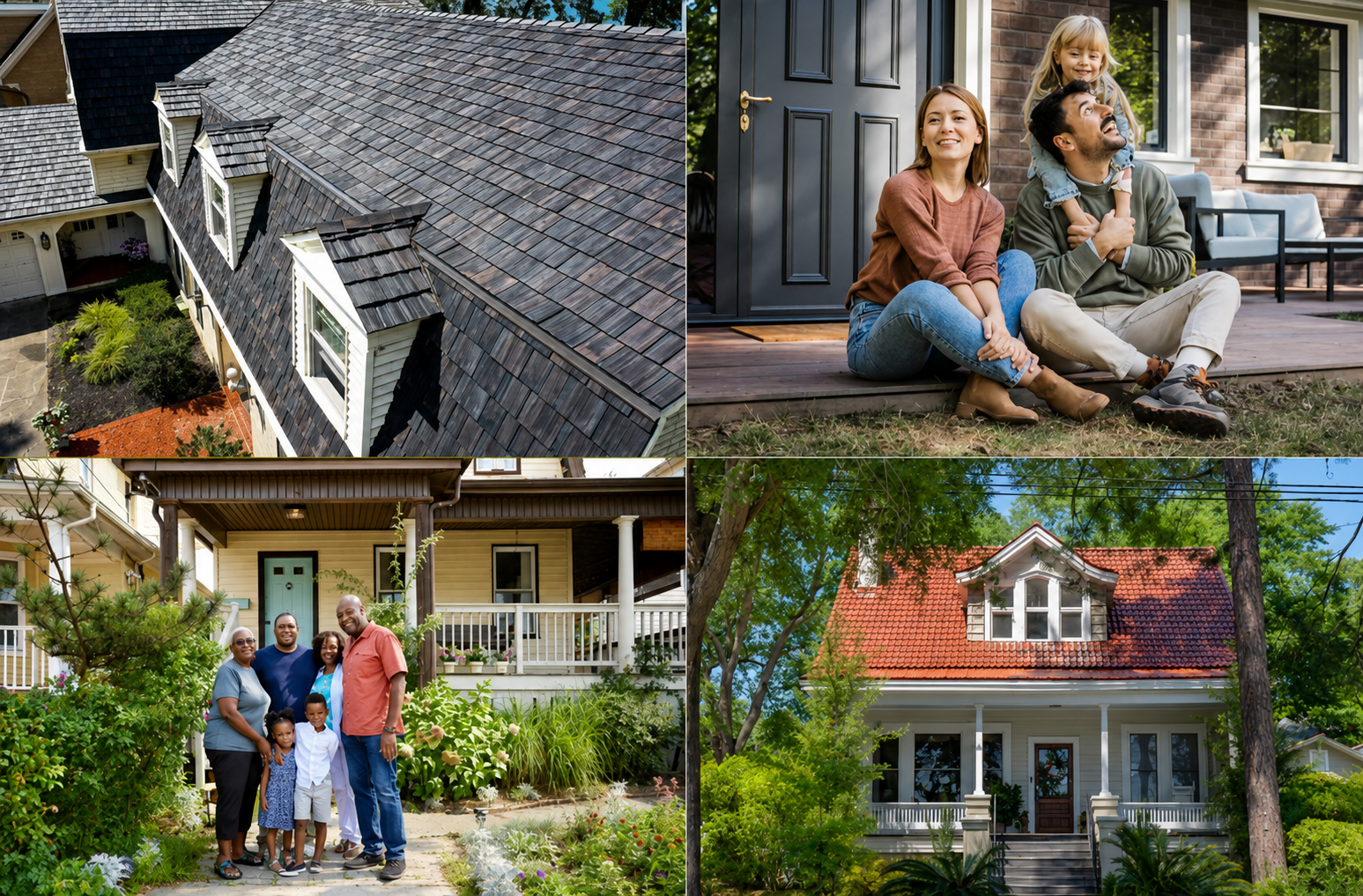
Roofing fire ratings are governed by ASTM E108, the standard test method for fire tests of roof coverings. It's also comparable to UL 790 and CAN/ULC-S107, which are used interchangeably in different code environments. These standards classify roof systems into three categories based on how they perform under external fire exposure.
Class A
Class A is the highest fire resistance rating available and the one required for Wildland-Urban Interface (WUI) compliant assemblies. To earn a Class A rating, a roof system has to pass four key tests: intermittent flame exposure, spread of flame, burning brand resistance, and flying brand resistance. Burning brand testing is particularly relevant to wildfire scenarios because it specifically evaluates how a roof responds to burning embers and debris landing on its surface.
It's worth noting that Class A is a system rating, not just a material rating. The tile alone doesn't earn the designation. The complete assembly, including sheathing and underlayment, has to be tested together. Swapping in a different underlayment can invalidate a Class A rating even if the tile itself is unchanged.
Class B and Class C
Class B provides moderate fire resistance and Class C provides basic protection against light fire exposure. Class C is the minimum accepted by most building codes in standard residential applications. In higher-risk regions and WUI zones, Class A is typically required and in many cases mandated by local ordinance or enforced through insurance requirements. Settling for Class C in a fire-risk area isn't a code violation in most standard zones, but it's a meaningful reduction in protection for homes where fire risk is a real factor.
What WUI Compliance Means
Wildland-Urban Interface (WUI) designations apply to areas where developed land meets or intermingles with undeveloped wildland. The governing standard is the International Wildland-Urban Interface Code (IWUIC), which works alongside the International Building Code (IBC Section 1505.1) and the International Residential Code (IRC Section R902.1) to establish minimum construction standards in fire-hazard severity zones. Roof coverings, eaves, soffits, valleys, and ventilation are all regulated under Chapter 5 of the IWUIC. A Class A fire rated assembly is the standard threshold for WUI compliance. Brava's WUI Overview Guide documents which Brava products and assemblies comply with these requirements.
State-level requirements build on top of the IWUIC baseline. California's Title 24 and state fire codes require Class A roofing in designated fire hazard severity zones, and the California Department of Forestry and Fire Protection (CAL FIRE) maintains maps of Very High Fire Hazard Severity Zones where these requirements apply. Colorado's Wildfire Resiliency Code, which began statewide adoption in July 2025, extends similar requirements to jurisdictions that previously had none. Oregon follows comparable standards. Brava products are specifically approved for use under the strictest building codes in California, Oregon, and Colorado.
If you're in a WUI zone or a designated fire hazard severity zone, a Class A system isn't optional. It's the baseline, and in many markets it's also what insurance carriers require to maintain or restore coverage.
How Common Roofing Materials Perform Against Fire
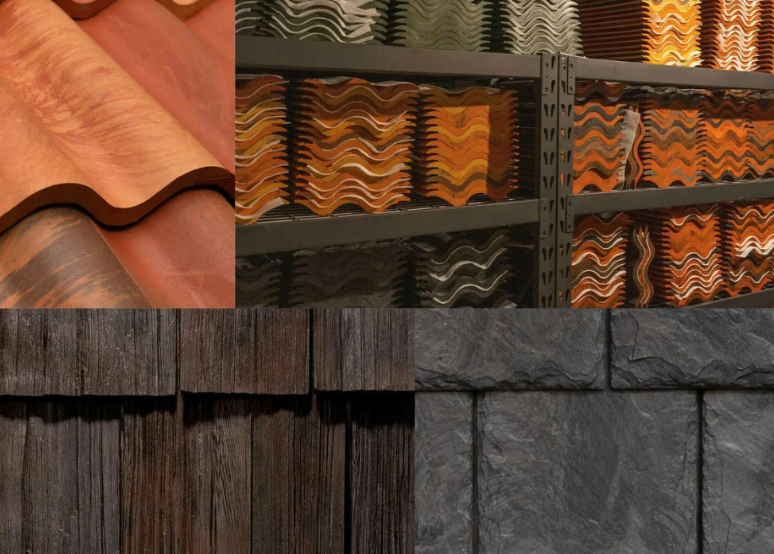
Not every material earns its fire rating the same way, and the tradeoffs beyond fire performance matter just as much for long-term protection.
Asphalt Shingles
Fiberglass asphalt shingles are the most common roofing material in North America. Most architectural asphalt shingles carry a Class A fire rating, which makes them code-compliant in most applications. Their limitation isn't fire resistance alone. Asphalt shingles are highly susceptible to wind damage, and in wildfire conditions wind is almost always a factor. A roof that loses shingles in the wind before the fire arrives is significantly more vulnerable. They also have a shorter lifespan than most other materials, typically 20 to 30 years, which introduces a replacement cycle during the life of a home.
Metal Roofing
Metal roofing is naturally non-combustible and achieves a Class A fire rating without additional treatment. It's one of the most fire-resistant roofing options available and performs well in ember-exposure scenarios. The tradeoffs are denting from impact and the thermal performance limitations in cold climates. In fire-risk regions without significant snow load concerns, metal is a legitimate high-performance option.
Clay and Concrete Tile
Clay and concrete are inherently non-combustible and carry Class A ratings. Their long lifespan and genuine fire resistance make them a solid choice in fire-risk areas. The practical constraint is weight. Both materials require structural reinforcement in most homes, which adds to installation cost and complexity. Maintenance matters too. Gaps and openings in clay tile profiles can allow embers to reach the underlayment and wood structure beneath if not properly sealed.
Natural Slate
Slate is non-combustible, extremely durable, and carries a Class A rating. Like clay and concrete, the weight requires structural consideration. It's also expensive to install and source, and the brittleness of the material makes damage during installation and maintenance more common than it should be. For homeowners who can accommodate the structural and cost requirements, slate is one of the more durable fire resistant roofing options available.
Untreated Wood and Cedar Shake
Untreated wood shingles and cedar shakes are among the most fire-prone roofing materials available and are prohibited outright in many fire-risk regions. Chemical treatments can bring cedar shake up to a Class C or higher rating, but the treatments add cost, can affect appearance, and degrade over time. Many WUI zones don't allow wood roofing regardless of treatment level. If you're in a fire-risk area with natural cedar shake on your roof, that's worth evaluating seriously.
Synthetic Composite Tiles
Synthetic composite tiles combine fire resistance with the practical advantages that other high-performing materials lack: lightweight construction, no structural reinforcement requirements, and a lifespan of 50 years or more. Engineered from recycled materials, they're tested as complete systems to achieve both Class A and Class C ratings depending on the assembly used. In fire-risk regions, they're one of the most complete solutions available because they address fire resistance without creating the weight, cost, or maintenance tradeoffs that come with clay, concrete, or slate.
How Brava Achieves Class A Fire Ratings
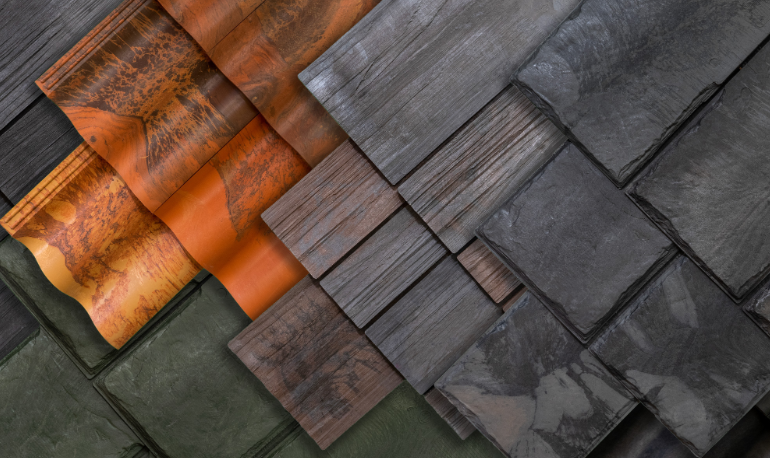
Brava's approach to fire ratings is assembly-based, which means the tile, sheathing, and underlayment are tested together as a complete system. That's not just how Brava does it. That's how the ASTM E108 standard works. The fire rating belongs to the assembly, and every component in that assembly matters.
Brava One Material
Brava One is the proprietary composite formulation used across Brava's cedar shake and slate roof systems. It's been through extensive third-party testing covering extreme temperatures, humidity, wind uplift, wind-driven rain, hail impact, UV exposure, and fire. With standard underlayment, Brava One systems carry a Class C rating. With a tested fire-resistant underlayment, the assembly achieves Class A, including WUI compliance.
Brava Class A Material for Spanish Barrel Tile
Due to the distinct profile geometry of Spanish barrel tile, Brava uses a separate proprietary formulation called Brava Class A material for that product line. To achieve a Class A rated assembly for Spanish barrel tile, Brava Class A material and a fire-resistant underlayment are both required. The tested FR underlayment for this application is the GAF VersaShield FR Underlayment combined with a standard underlayment.
Tested Underlayment Options
For cedar shake and slate, two fire-resistant underlayments are tested and approved for Class A assemblies: Low-E ThermaSheet and ECO CHIEF SOLARHIDE SRW. For Spanish barrel tile, the approved option is GAF VersaShield FR Underlayment paired with standard underlayment. These aren't interchangeable across tile profiles. The tested assembly for one product doesn't automatically apply to another.
For Class C assemblies across all Brava roof systems, the minimum underlayment is ASTM D226 Type II 30# asphalt-saturated felt. All systems require minimum 15/32" Exposure 1 Plywood sheathing.
Why Assembly Integrity Matters
Installing a tested tile with a non-tested underlayment invalidates the fire rating. That's not a technicality. It's how the rating system works. If code compliance or WUI compliance is a requirement for your project, every component in the assembly has to match what was tested. Brava's Code Evaluation Report documents the tested assemblies, and building officials and inspectors should have access to it for any fire-rated installation.
Brava Composite Tiles for Fire-Risk Regions
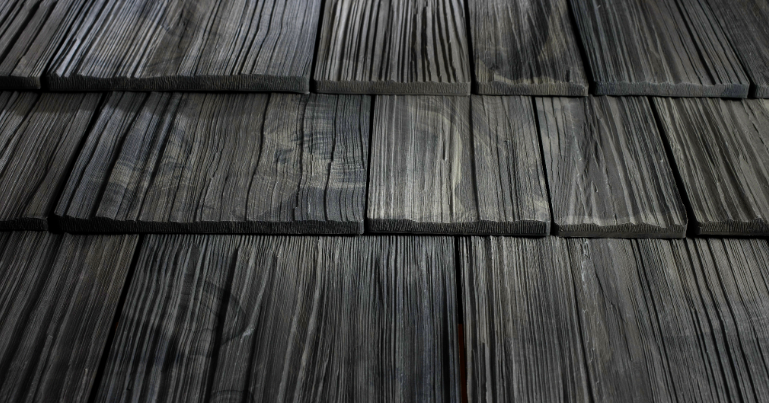
For homeowners in WUI zones, high fire-risk areas, or any region where fire is a real seasonal concern, Brava's composite tile systems offer the complete package. Class A fire rated assemblies tested and approved under ASTM E108, a 50-year lifespan, Class 4 impact resistance, and high wind ratings, all in profiles that replicate the look of cedar shake, slate, and Spanish barrel tile.
The lightweight construction is a meaningful practical advantage. Clay and concrete deliver comparable fire ratings but require structural work most homes weren't designed for. Brava achieves the same Class A designation without that barrier.
All three profiles, cedar shake, slate, and Spanish barrel tile, are available in Class A fire rated assemblies. For homes in WUI zones where code requires Class A, Brava meets that requirement across the full product line.
Ready to Protect Your Home with a Class A Rated Roof?
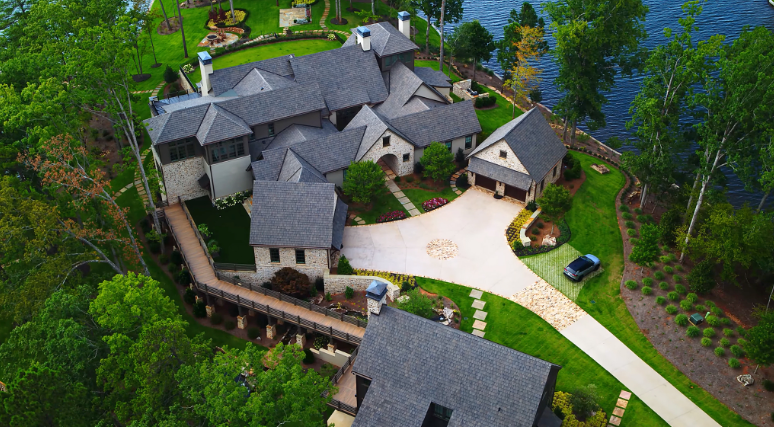
Building in a designated WUI zone, replacing a roof in a fire-risk region, or simply demanding the highest level of protection available, Brava's composite tile systems are built for it. Our technical support team can walk you through which assembly is right for your project and region.
Request a sample from our team today.
Frequently Asked Questions
What is the best fire resistant roofing material?
The best fire resistant roofing material depends on your priorities beyond fire performance. Metal, slate, clay, concrete, and synthetic composite tiles all achieve Class A fire ratings. The practical differences come down to weight, cost, lifespan, and maintenance. Natural slate and clay are excellent but heavy and expensive. Metal is non-combustible and lightweight but has thermal performance limitations. Synthetic composite tiles offer Class A fire ratings with a 50-year lifespan, lightweight construction that doesn't require structural reinforcement, and profiles that replicate natural materials, which makes them the most complete option for most homeowners in fire-risk areas.
What is a Class A fire rating for roofing?
Class A is the highest fire resistance designation under the ASTM E108 standard. It means the roof system has passed intermittent flame exposure, spread of flame, burning brand, and flying brand testing as a complete assembly. Class A is required for Wildland-Urban Interface (WUI) compliant installations and is the standard threshold in most high-risk fire zones. Importantly, the rating applies to the full assembly, including tile, sheathing, and underlayment. Changing any component without using a tested combination can invalidate the Class A designation.
What does WUI compliant roofing mean?
WUI stands for Wildland-Urban Interface, which refers to areas where developed land borders or intermingles with undeveloped wildland. Building codes in WUI zones typically require Class A fire rated roofing assemblies to reduce ignition risk from wind-driven embers. If your home is in or adjacent to a designated WUI zone, or in a region where fire risk is elevated, WUI compliant roofing is likely a code requirement. Brava roof systems installed with tested fire-resistant underlayments meet WUI compliance standards.
Are composite shingles fire resistant?
Yes. High-quality composite roof tiles, like Brava's, achieve Class A fire ratings when installed as tested assemblies with fire-resistant underlayment. The composite material itself is engineered for fire resistance as part of a broader performance profile that also includes Class 4 impact resistance and high wind ratings. Not all composite products are equal, so it's worth verifying the specific fire rating and tested assembly requirements for any product you're considering.
Do I need a Class A roof if I live in a fire-risk area?
In most designated WUI zones and high fire-risk regions, yes, Class A is either required by local building code or effectively required by insurance carriers. Even where it isn't mandated, the difference in protection between a Class A and Class C assembly is significant in a wildfire scenario. Class C provides basic protection against light fire exposure. Class A is what's been tested and validated for exposure to burning embers and sustained flame. For homes in fire-risk areas, Class C is a meaningful compromise that most homeowners wouldn't knowingly make if they understood what the ratings represent.