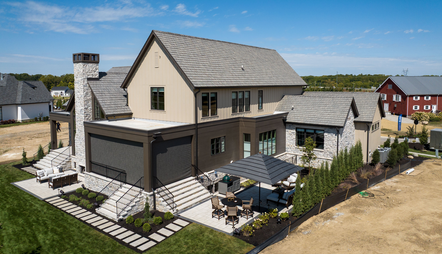
Choosing the right roof for your home goes far beyond aesthetics. Your roof plays an important role in protecting your house from the elements, improving energy efficiency, and influencing property value. With so many options available, understanding the different types of roofs for homes can help you select a style and material that suits your architectural design, climate, and lifestyle needs.
Common Types of Roofs for Homes
There are several roof styles commonly found on residential homes, each offering a different look and set of benefits depending on your needs and preferences.
1. Gable Roof

One of the most popular roof styles in residential design, the gable roof features two sloping sides that meet at a central ridge, creating a triangular profile. Its simple shape makes it easy to build and highly effective at shedding water and snow. Gable roofs also allow for good ventilation and additional attic space, making them a reliable and budget-friendly option for many homeowners.
2. Hip Roof
A hip roof has four equal-length slopes that converge at the top, offering a more compact and symmetrical appearance. This design improves wind resistance, making it well-suited for homes in areas prone to storms or hurricanes. Though more complex and costly to construct than a gable roof, it provides added stability and a cleaner, more polished look.
3. Mansard Roof

With a design that includes two slopes on each of its four sides, the mansard roof maximizes upper-level space and adds a refined, European-inspired look to a home. The lower slope is steeper than the upper, creating room for additional living quarters or storage. While this roof style offers flexibility in future home expansion, it does come with higher construction costs and maintenance needs.
4. Flat Roof
Flat roofs are most commonly associated with modern or industrial-style homes. Though not entirely flat, they have a very low pitch to enable drainage. They offer usable outdoor space—ideal for rooftop gardens, patios, or solar panels—and are relatively easy to install. However, they can be prone to water pooling if not properly maintained.
5. Shed Roof

A shed roof, also known as a skillion roof, features a single slope and is often used on home additions or contemporary structures. Its simple construction makes it an economical choice and allows for vaulted ceilings and tall windows. The slope directs water efficiently to one side, but it may not be ideal for areas with heavy snowfall.
6. Gambrel Roof
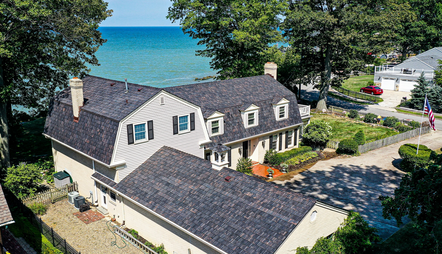
Often seen on barns and Dutch Colonial homes, the gambrel roof has two slopes on each side, with the lower slope being steeper than the upper. This design creates a spacious attic or loft and adds visual interest. While it adds charm and storage, it can be less stable in areas with strong winds or heavy snowfall unless reinforced.
7. Butterfly Roof

This dramatic and modern roof style features two surfaces sloping down toward the center, resembling a butterfly’s wings. It allows for large windows along the top edges, providing natural light and ventilation. Butterfly roofs are also great for collecting rainwater but demand precise engineering and an effective drainage system.
Best Roofing Materials for Residential Homes
Once you’ve decided on a roof style, the next step is selecting the right material to match your home’s design, location, and maintenance expectations.
Asphalt Shingles

Asphalt shingles are the most common choice for homeowners due to their affordability and ease of installation. They come in a variety of colors and styles and typically last 15 to 30 years.
Metal Roofing
Metal roofs—available in steel, aluminum, and copper—are known for being long-lasting and energy-efficient. They’re also recyclable and perform well in both cold and hot climates.
Slate Roofing
Made from natural stone, slate roofing is elegant and durable. While the material can last for decades, it comes with a higher cost and weight that requires a reinforced structure.
Clay and Concrete Tiles

These tiles are commonly used in Mediterranean and Spanish-style homes. They provide excellent heat resistance and durability, but like slate, they are heavy and require strong support.
Wood Shingles and Shakes
Wood roofing adds a warm, rustic look to any home. Shingles are machine-cut for a cleaner finish, while shakes are hand-split for a more textured appearance. Both need regular maintenance and treatment for fire resistance.
Synthetic Roofing (e.g., Brava Roof Tile)
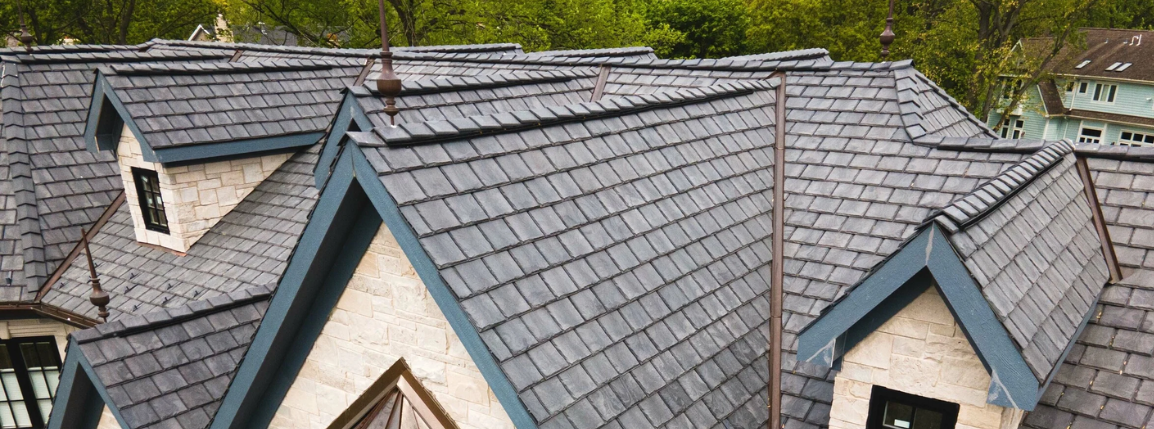
Synthetic options from companies like Brava Roof Tile replicate the look of slate, cedar shake, and barrel tile. These materials are lightweight, environmentally friendly, and designed to last longer with less maintenance.
How to Choose the Right Roof Style & Material
When choosing a roof, consider your local climate and the style of your home. Also factor in how much maintenance you’re willing to take on, your budget, and the energy performance of the material. In some neighborhoods, local building codes or homeowners’ associations may influence what types of materials or colors you can use.
Why Synthetic Roofing May Be the Smartest Choice
Brava Roof Tile’s synthetic roofing products are designed to provide the look of natural materials without the drawbacks. Their tiles are fade-resistant and rated for fire and impact. The lightweight composition makes installation more manageable, and their long lifespan can make them a good investment for homeowners looking to reduce long-term maintenance.
For those looking to combine appearance, reliability, and lower environmental impact, synthetic options like Brava are worth considering.
Making the Right Roofing Choice
From traditional gable roofs to eye-catching butterfly styles, the many types of roofs for homes provide options to suit almost every design and climate. Roofing materials—from familiar asphalt shingles to innovative synthetic products—can further shape the appearance and performance of your home.
To make the best choice, Contact Brava today to learn more about our roofing products and how they work with various roofs.