In the past, sustainability wasn’t widely considered when choosing home materials—it was more about cost, aesthetics, and durability. However, times have changed, and homeowners have become increasingly concerned with their carbon footprint and are searching for more sustainable materials.
Sustainable, eco-conscious roofing materials are one of the biggest categories in building materials, with various options available. This article will look at what makes roofing materials sustainable, list some of the most sustainable roofing materials available, and discuss what is the most sustainable roofing material among them.
What Makes a Material Sustainable?
An eco-friendly roofing material is a material designed and manufactured in a way that lowers its environmental impact while also maximizing its lifespan and energy efficiency. With sustainable roofing, materials offer:
Energy Efficiency: Around 10 to 15 percent of heat loss in a home happens through the roof. Sustainable roofing offers better energy efficiency for homes by reducing both heat loss and gains—making homes more comfortable and saving homeowners hundreds in heating and cooling costs.
Durability: Sustainable, eco-friendly roofing also tends to be more durable, maintaining its integrity for the duration of its lifespan. It should withstand moisture, wind, fire, hail, debris impacts, snow, and ice. These roofs require less frequent replacing, which lessens the drain on natural resources and keeps roofing waste out of landfills.
Recyclability: No matter how long roofing material lasts, it has to be replaced at some point. Eco-friendly roofing options use recyclable materials, which ensures they don’t contribute to the growing waste problem.
Best Sustainable Roofing Materials
There is no shortage of sustainable materials for roofing. Here are the top options to consider, as well as their various benefits in terms of durability, energy efficiency, and environmental impact.
Metal Roofing
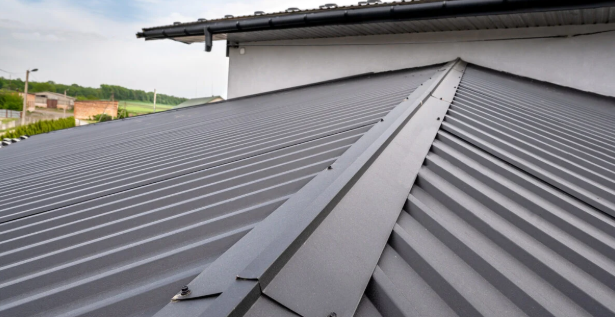
Metal roofing is one sustainable roofing material to consider. These roofs are typically made with recycled metals, like aluminum or steel, which can be recycled again at the end of the roof's lifespan––which can be 50 years or more. Metal roofing is also highly durable, offering fire and weather resistance and a degree of impact resistance, though it is prone to denting.
It is easy to maintain, which adds to its longevity. It offers various designs, colors, and finishes, with options that even mimic more traditional roofing materials like shingles, slate, and tile.
Metal is a reflective material that reflects heat from the sun, reducing the need for air conditioning in the summer months, minimizing the production of greenhouse gases, and significantly reducing energy bills.
Clay
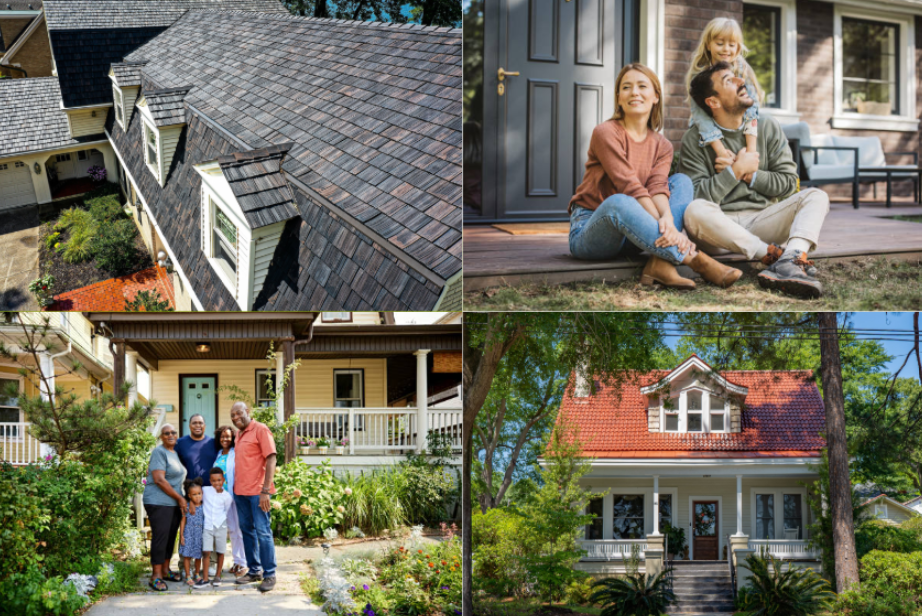
Clay roof tiles are one of the oldest roofing materials in use since ancient times. It is also considered one of the most sustainable roof materials you can get, as they are made with raw clay, a plentiful resource. This clay gets formed into roof tiles and is coated in a special glaze before getting fired at high temperatures. The result is a highly durable product that can sometimes last 100 years or more. These tiles are fire, weather, and insect-resistant. They can also withstand high winds and hot and cold temperatures.
Clay tiles are also considered a sustainable roofing material because they can be recycled at the end of the roof's lifespan. They also help improve the home's indoor air quality, keeping harmful toxins out while offering natural insulating properties that help to regulate indoor temperatures and keep heating and cooling costs low, making them energy efficient.
Slate

Slate tiles are often considered one of the most sustainable roof material options for homeowners. They are natural materials made from quarried stone that require minimal processing compared to other materials and come in various deep, rich colors. Slate is also highly durable, offering fire, insect, and weather resistance. Due to its weight, slate also has strong wind resistance.
This durability helps lend itself to a lifespan as long as clay tiles, with slate roofing lasting up to 72 years or more. This long lifespan adds to its environmental friendliness, reducing the amount of roofing waste that ends up in landfills.
In terms of energy efficiency, slate tiles are naturally insulating. They help regulate indoor temperatures and minimize energy consumption, helping homeowners save on heating and cooling costs.
Cedar Shake

Cedar shakes are made from hand-split cedar logs, one of the most durable woods on the market. They are relatively durable and weather—and wind-resistant up to around 245 mph. However, special treatments are required to further increase their durability. Otherwise, cedar shakes last 30 to 50 years, depending on the climate and how well they are maintained.
They make it onto the list of sustainable materials for roofing for a few reasons: one, sustainable harvesting ensures all parts of the log are used. Two, wood is biodegradable and recyclable, so it will not add to environmental waste, and three, it is a natural insulator, minimizing your reliance on heating and cooling systems.
Solar Roofing
Solar roofing can be panels or tiles and is an excellent option for homeowners looking to reduce their reliance on fossil fuels and lower their contribution to carbon emissions and greenhouse gases. With solar roofing, you can generate your own clean energy by harnessing the sun's power, making your home more energy efficient and helping lower your utility bills.
These panels and tiles typically last 25 to 30 years and are built to withstand heavy rain, hail, snow, and strong winds. When paired with another sustainable roofing material, they can further boost your home's energy efficiency and environmental impact.
Composite

Composite roofing tiles, such as those from Brava Roofing Tile, are another sustainable option and, in some ways, possibly the most sustainable roofing material you can choose. These shingles are typically made with recycled plastics and rubber, which helps to divert waste away from landfills. This composition also typically means the materials are 100% recyclable, preventing the product from returning to the landfills.
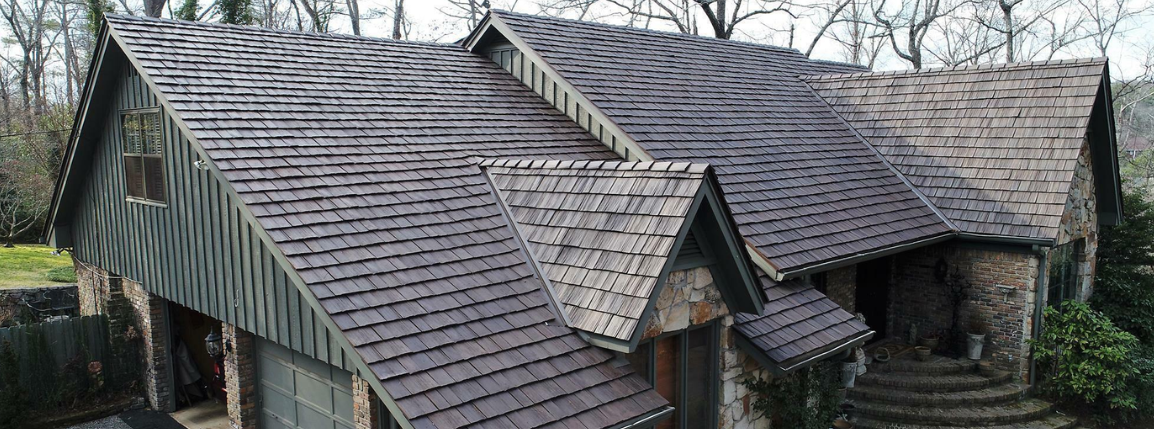
Composite roofing, also called synthetic roofing, mimics natural materials, including clay, slate, and cedar shakes, while offering a wider variety of colors. They are incredibly durable, with the highest impact and fire ratings possible, freeze-thaw resistance, and the ability to withstand hurricane-force winds.
With this durability, composite roofing offers a lifespan of at least 50 years. While not as long as materials like clay and slate, composite roofing is much lighter and, therefore, suitable for even steeper sloped roofs. It is also one of the most sustainable flat roof materials you can get if you want something other than the traditional flat roof coatings.
Composite roofing is also energy efficient, offering insulating properties that help maintain indoor temperatures while lowering heating and cooling costs. You can also find special Cool Roof colors, which help reflect more heat to keep homes in hot climates cooler.
What is the Most Sustainable Roofing Material?
Many roof materials are sustainable, but how do you determine the most sustainable roofing material of them all? Or which is best for your home? To do so, you must consider the advantages and disadvantages of various products. Products like clay and slate tiles are sustainable and durable, but also extremely heavy and expensive. Cedar shakes require a great deal of maintenance, and metal roofing can dent from impacts and some metals will rust over time.
Brava Roofing Tile offers the perfect solution for a highly durable, sustainable, low-maintenance option. With Brava, you can get a beautiful, durable roof that mimics the popular materials listed above without the cost, weight, or maintenance while still choosing an extremely sustainable material.
Contact Brava today to learn more about our roofing products and our commitment to sustainability.