Your roof is one of the most important parts of your home and arguably the most crucial part of the home’s exterior. Not only does it maintain the integrity of your house’s structure by keeping rain, snow, sleet, and wind-blown debris outside, but it is also one of the main components for curb appeal and, thus, the value of your home.
This means one thing: the roof tiles that you choose must add beauty and protection while providing cost-effective durability over a course of time. Fortunately for you, there are numerous options in today’s market.
But which roof tile makes the most sense? (Keep reading.)
In this article, we will look at the cost of materials, underlayment, and installation to help you make a decision that’s best for you. Keep in mind, the roof tiling costs are quoted per square foot, but a standard roofing quote will be priced per 100 square feet. Any additional work required (like removing the existing roof and repairing damage) is not included in these estimates.
5 Factors That Impact Roof Tiling Costs
Your roof project will vary widely based on more than just tile price. These five factors can have a significant influence on roof tile cost per square foot and overall tile roof costs. Understanding them may help you evaluate multiple bids and avoid surprises.
1. Roof Pitch
The steeper your roof, the harder it is to install tiles safely and accurately. A high-pitch roof may require scaffolding, safety gear, and slower installation, all of which drive up labor costs. That means your roofing tiles cost per square foot can increase just for the roof pitch.
2. Tile Weight
Heavy tiles (like clay, concrete, or slate) impose structural demands and slow down an installer’s ability to do their job. Lifting and placing heavy tiles costs more labor time and may require reinforcing the roof framing. In short, heavier tile equals a higher roof tiles price in labor and support costs.
3. Regional Labor Costs
Labor is one of the biggest line items in roof tiles cost. In high-cost regions or where specialized tile roofers are rare, you’ll see premiums that are much higher than average rates. Always obtain local bids before you begin, as contractors in mountainous or remote areas, or those in high-labor markets, will likely push roof tile costs upward.
4. Installation Difficulty
Features like multiple valleys, dormers, chimneys, skylights, or curved sections can complicate installation. These elements increase cutting, flashing, waste, and time. As complexity rises, your tile roofing cost increases per square foot, even if material prices are reasonable.
5. Material Choice
Different roof tile materials vary dramatically in raw cost, weight, durability, and maintenance. Your material selection can affect both upfront roof tile price and long-term value. Material choice often accounts for a significant percentage of total tile roof costs.
Roof Tiling Costs by Material
Below, let’s take a moment to break down how roof tiles types and prices differ by material. These estimates indicate what you might expect for tile roof cost per square foot and typical project totals for an average roof.
Terracotta/Clay/Spanish Style
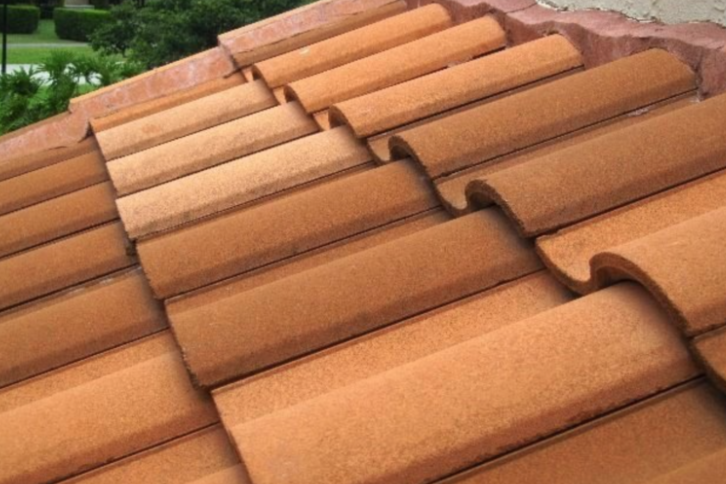
Terracotta and clay roof tiles are one of the oldest roofing materials known to man, and their popularity before the industrial age is easy to understand.
Clay was abundant in most regions and was simple to access, especially because turning clay into a hardened roof tile only required fire. Modern techniques are more expensive, but many consumers still want terracotta roofing tiles, which are more waterproof and durable than standard clay.
Installing a terracotta roof, however, is difficult because of the bulkiness of the tiles and their brittleness.
To a similar extent, clay is very heavy and may require additional substructure for a house’s framing in order to hold the extra weight. Unlike asphalt shingles or synthetic roofing tiles, clay can break if it is mishandled or stepped on improperly.
These concerns can add to the cost of installation.
Estimated Clay Roofing Tile Costs
Material Costs: $9 - $14 per square foot
Underlayment: Minimum $.60 - $2.70 per square foot (usually higher depending on roof design)
Labor: $5 - $18 per square foot
Maintenance Cost: $350 - $450
Overall Installation Cost: $11 - $22 per square foot
A clay/terracotta tile roof requires substantially more labor and materials than any other roof, except slate. The underlayment cannot be installed by only one person, and the materials for the underlayment will include synthetic felt, batten strips, and other waterproofing flashings.
Despite the additional costs, clay roofing tiles create a timeless, beautiful component to any house exterior.
Evaluating Long-Term Value
Clay tiles can last 75 to 100 years or more when properly installed and maintained. Their durability resists fire, rot, and insect damage, but they’re not immune to breakage under heavy foot traffic or hail. Because they are so heavy, you may incur upfront structural reinforcement costs.
Over the long term, lower repair frequency and high resale appeal often offset that higher upfront roof tile cost. Maintenance is minimal compared to wood, as it primarily involves cleaning, reapplying sealant, and occasionally replacing broken tiles. That makes clay roof tiles cost more predictable over time.
Concrete
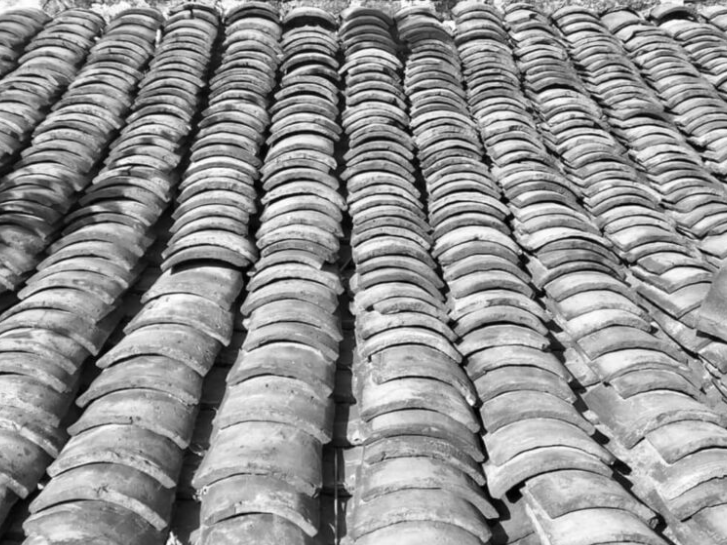
Concrete tiles are comparable to clay and terracotta, but despite being manufactured in the same shapes and sizes, concrete is much lighter than clay. Concrete is also more porous than clay or terracotta, which causes it to hold moisture that could, unfortunately, lead to mold and fungus growth.
The installation process of a concrete tile roof is very similar to terracotta, as it requires multiple installers because of its bulky and heavy composition. The main difference between the two is in price and the cost of the materials.
Estimated Concrete Roofing Tile Costs
Material costs: $3.21 - $8.25 per square foot
Underlayment: Minimum $.60 - $2.70 per square foot (usually higher depending on roof design)
Labor: $7.49 - $19.25 per square foot
Maintenance Costs: $100 - $8,000
Overall Installation Cost: $10.70 - $27.50 per square foot
The underlayment is the same as clay, as they both use the same installation system.
Evaluating Long-Term Value
Concrete tile can last 50 to 75 years if sealed and maintained. But because of its porous nature, ongoing cleaning, resealing, and occasional patching will factor into roof tile costs. That said, it is lighter than clay, which reduces the need for structural reinforcement.
Concrete’s more affordable roof tiles price upfront makes it attractive for many homeowners, especially when you balance life-cycle costs. If you live in a wetter or coastal climate, sealing and maintenance become more important for sustained value.
Solar
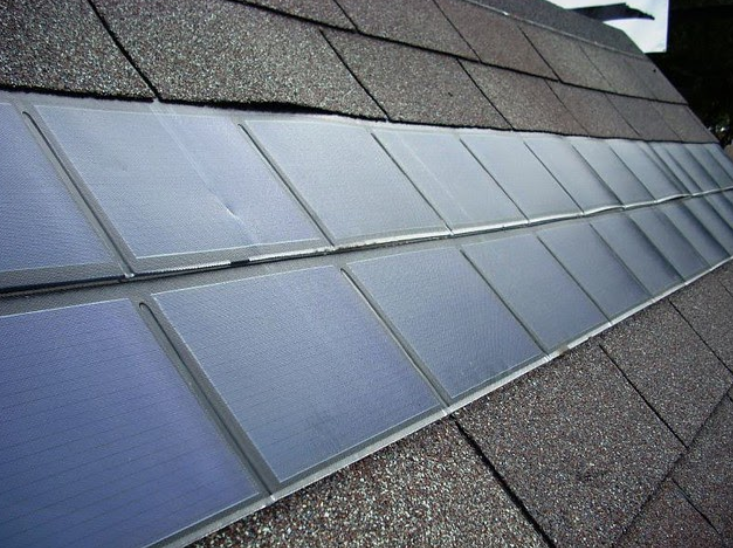
Solar power has received a lot of attention in the last 10 years and is still gaining popularity as technology improves. Most homeowners would like to live more sustainably, and solar roofing can provide some or all of a home’s power needs, depending on the location.
But solar roofing tiles are not the same as solar panels because they are part of the actual roofing material and not an add-on. The actual name of the tile is “Building Integrated Photovoltaic systems (BIPV), and they are wired together and connected to the home’s electric panel.
When it comes to pricing, solar tiles are priced according to the number of watts you want your system to produce, rather than the square footage to be covered. When considering the total cost of solar tiles, you need to include the tax benefits that may be available, as well as the savings in electricity.
There may be maintenance costs associated with owning a roof composed of solar tiles, including tile and battery replacement, and installation time will be much longer than a regular tile roof, in some cases up to two weeks.
Because solar roof tiles are priced differently than regular tiles, instead of providing a square foot price, these systems are generally quoted as “installed,” ranging from $21 - $25 per square foot. (This does not include the cost of batteries, which could add an additional $7,500 - $9,000).
Evaluating Long-Term Value
Solar roof tiles carry a higher roof tile cost per square foot upfront, but can lower long-term energy expenses through utility savings and potential tax incentives. With a lifespan of 25 to 30 years or more, they rival many traditional materials while offering renewable energy benefits.
Also, maintenance mainly involves monitoring connections and replacing batteries over time, keeping tile roofing cost predictable for an energy-efficient, future-focused roof. If you’re looking for something that can really help lower your energy costs, this might be the perfect option for you.
Natural Slate
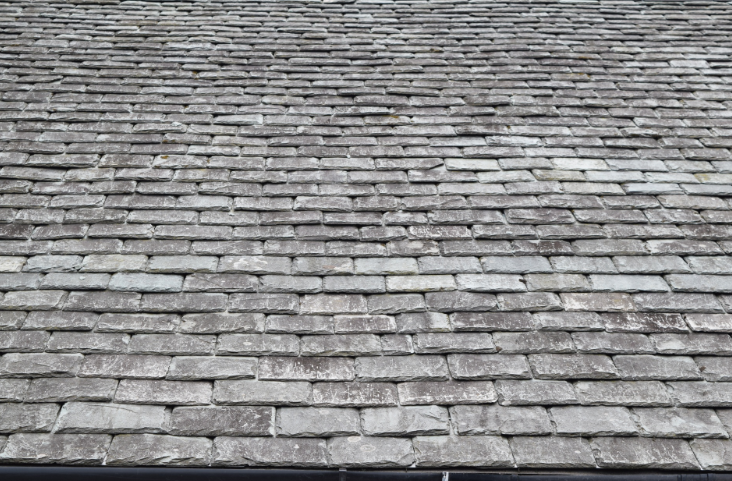
Natural slate tiles are found on some of the most prestigious homes around the world, and they have a history of lasting up to a hundred years or more with proper maintenance.
Slate is not just a durable roofing tile option though; it is also available in different colors, fire-resistant, and resolute in most climates.
However, slate is very heavy. If your roof was not engineered for slate initially, you may need to purchase additional structural support. As for installation, it is best to only contract roofers who are experienced with installing slate for this job.
Estimated Slate Roofing Tile Costs
Material Costs: $5 - $15 per square foot
Underlayment: Minimum $.60 - $2.70 per square foot (usually higher depending on roof design)
Labor: $5 - $15 per square foot
Maintenance Costs: $250 - $600
Overall Installation Cost: $10 - $30 per square foot
Evaluating Long-Term Value
Slate roofs can last 100 years or more, making them a generational investment. Because slate is brittle and heavy, walking on the roof is risky, and maintenance must be done carefully, which raises overall costs.
The weight of natural slate means structural upgrades, which can get a bit pricey. That said, slate’s durability often boosts resale value enough to make roof tiles cost worthwhile over many decades.
Cedar Shake
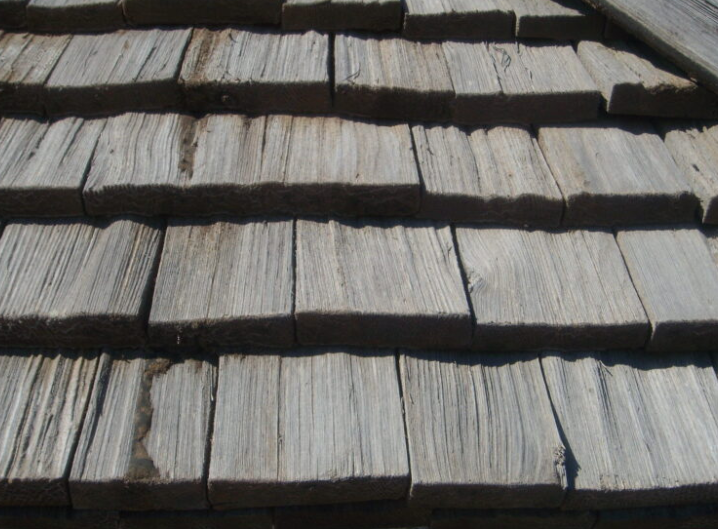
Cedar shake roofing is the most natural-looking roof material (other than thatch), and the thick cut slabs of cedar—placed in a random pattern on a home—provide the rustic appearance many homeowners desire.
Wood is also an efficient insulator that helps reflect heat away from your home, saving homeowners money on cooling costs. Unfortunately, they do not perform well in areas of heavy rain, since wood needs to stay dry to be most effective. Another downside is that cedar shakes are also expensive to purchase and install compared to other roofing materials, meaning only roofers experienced with cedar shakes should be used for these types of projects.
Wood shake roofing tiles need regular maintenance to ward off rot, mold, and fungus. Even with a fire rating, some areas of the country will not allow them to be used on the roof.
Estimated Cedar Shake Roofing Tile Costs
The following are average prices for a cedar shake roof installation:
Material Costs: $2.40 to $7.25 per square foot
Underlayment: Minimum $.60 - $2.70 per square foot (usually higher depending on roof design)
Labor: $2 - $5 per square foot
Maintenance/Repair Costs: $500 - $1000+
Overall Installation Cost: $5.50 - $13.50 per square foot
Evaluating Long-Term Value
Wood shake roofs often last 25-40 years in favorable climates, although they may be shorter in rainy or humid areas. They demand regular inspections, treatments, and replacements, which drives up roofing tiles cost.
Their weight usually doesn’t require structural upgrades, which is a bonus. That said, if they get wet repeatedly, they may warp or rot, which makes the frequency of maintenance and repair key to their long-term value.
Synthetic Composite Tiles
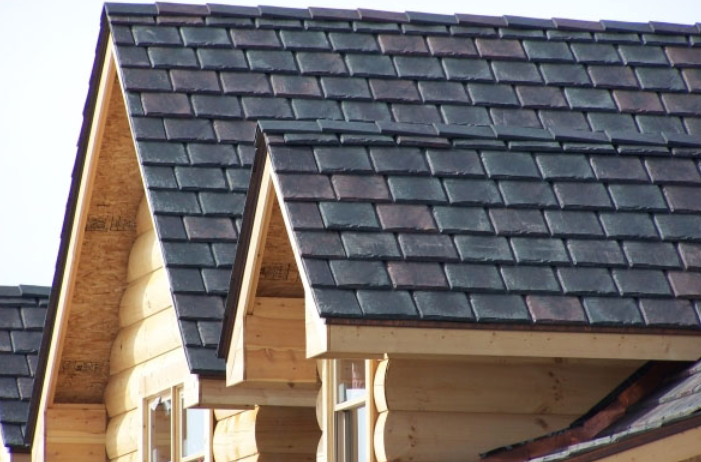
Synthetic composite roof tiles are available in designs that mimic slate, cedar shake, and terracotta barrel tiles, but they are lighter than their natural counterparts and easier to install.
You will generally have a greater selection of colors to choose from, and you won’t need a specialist to install them. Synthetic composite tiles will save you money in materials and labor—because there is little to no maintenance required. Plus, the average lifespan of a synthetic roof tile is over 50 years, making them a durable, cost-effective alternative to natural tiles.
Estimated Composite Roofing Tile Costs
The following prices reflect the averages for the different styles of synthetic composite roof tile:
Material Costs: $4 - $6 per square foot
Underlayment: Minimum $.60 - $2.70 per square foot (usually higher depending on roof design)
Labor: $75 per hour
Maintenance Costs: None
Overall Installation Cost: $7 - $14 per square foot
Evaluating Long-Term Value
Composite tiles often carry 50-year or longer warranties and can last as long as natural materials without the drawbacks you typically see with other materials. Because they are light, they also don’t typically require structural reinforcement, which is another bonus.
Their low maintenance and minimal repair needs keep roof tiles cost low over time. Though they may not seem as flashy as natural materials in some markets, in most cases, the balance of aesthetics, ease, and life-cycle cost is super compelling to homeowners and designers alike.
Brava Roof Tiles: The Best Value
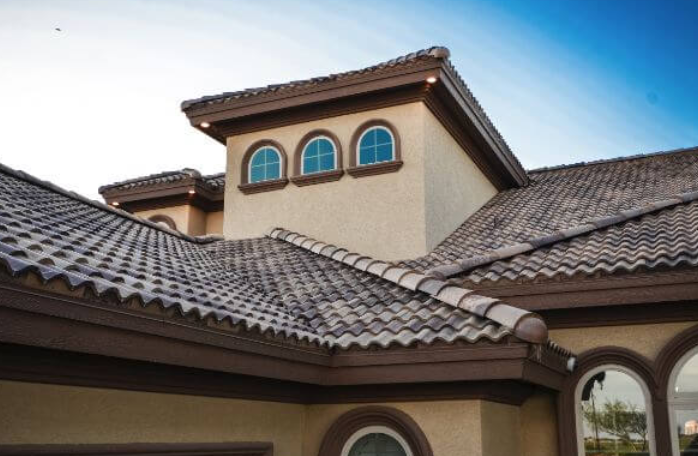
Brava roof tiles are an excellent value in the synthetic composite roofing category. We offer an unrivaled color selection, and all our roofing tiles come with a 50-year limited warranty.
Brava tiles are available in Class C and Class A fire ratings and are Class 4 impact rated. And our Cedar Shake and Spanish Barrel Tiles are offered in two “cool roof” colors that meet California’s Title 24 code requirements.
If you’re looking to complete your next roofing project, contact Brava today or view our photo and video galleries.
We will also provide you with free samples and quotes of our roofing tiles and help you compare our composite products with real cedar shake, slate, asphalt, and clay. But more importantly, we’ll help you find a contractor to finish your next roofing tile project.
For more homeowner information, please visit the links below: