Energy efficiency is becoming increasingly important to homeowners. Most focus on the inside, swapping older appliances for newer, Energy Star models, sealing air leaks, switching to LED lighting, improving your home’s insulation, and more. However, they don’t always consider the energy-efficient changes you can make outside your home. Sure, you can install new windows, but what about your roof?
Your roof is possibly the most important part of your home’s exterior, providing vital protection from the elements. An energy efficient roof can have a massive impact on your home, not just by making it more energy efficient but also by providing better, more long-lasting protection.
What Makes an Energy Efficient Roof?
The average roof in the United States is made of non-reflective materials, such as asphalt shingles. Being non-reflective means they absorb the sun’s heat, making it significantly hotter than the surrounding air. That collected heat will seep into your home’s attic space, and then into the rest of the home, making it uncomfortably warm and causing your AC system to work harder to regulate temperatures.
That’s where energy-efficient roofing materials come in. These materials are designed to absorb less of the sun’s heat, which keeps the roof significantly cooler. How much cooler these energy-efficient materials are depends on various factors:
Thermal Resistance: Thermal resistance, or R-value, refers to the roof’s ability to resist heat transfer. The higher a roofing material’s R-value is, the better it keeps heat out in the summer and inside during the winter.
Solar Reflectance: Solar reflectance refers to how much sunlight a roof reflects. The more reflective the roof is, the cooler it will be.
Thermal Emittance: Thermal emittance is the roof’s ability to release the heat it absorbed back into the atmosphere. Roofs with higher thermal emissivity will cool down faster, keeping your home cooler.
Why Does Energy Efficiency Matter?
Energy-efficient roofs matter for several reasons. One is the environmental benefits; energy-efficient materials help keep your home at a comfortable temperature, regardless of the season, without relying so heavily on your HVAC system. That means less energy usage and, in turn, reduced greenhouse gas emissions. The more you reduce your greenhouse gas emissions, the less your negative impact on the environment. Reducing your energy usage and environmental impact also means saving on your energy bill—something nobody would say no to.
Another reason these roofs matter is because of their durability. Energy efficient roof materials are significantly more durable than traditional options, allowing them to better withstand the elements without becoming damaged. This means your roof will last longer, eliminating replacement concerns. That durability and energy efficiency can also translate to state or federal tax incentives.
The Best Energy Efficient Roofing Shingles
There are more energy-efficient roofing options that you may not realize. The top ones to consider include:
Metal
Metal is a naturally reflective material, which makes it one of the most obvious choices for energy-efficient roofing. These roofs are especially popular in hotter regions, such as Florida, with high cooling costs. They are also a popular choice for their durability; not only do they perform well in extreme heat, but they can handle other extreme weather such as heavy rain and snow, and winds up to 140 mph. All metal roofs are Class A fire rated, and most also have a Class 4 impact rating. This durability makes for a long-lasting roofing material that can last 40 to 70 years, possibly even longer.
You can get metal roofing in various colors and styles, including shingles that mimic barrel tiles, slate, and even wood shakes. They are also an extremely environmentally friendly option that is endlessly recyclable.
While popular, metal roofing requires an expert for installation. That, combined with the material itself, makes for a high initial cost. However, once installed, it is fairly low maintenance. You will also want to consider that metal roofs aren’t always insulated; you would have to add insulation to help regulate indoor temperatures, minimize heat transfer, and provide some noise dampening, as metal roofs can be noisy in rainy weather or hail storms.
Composite
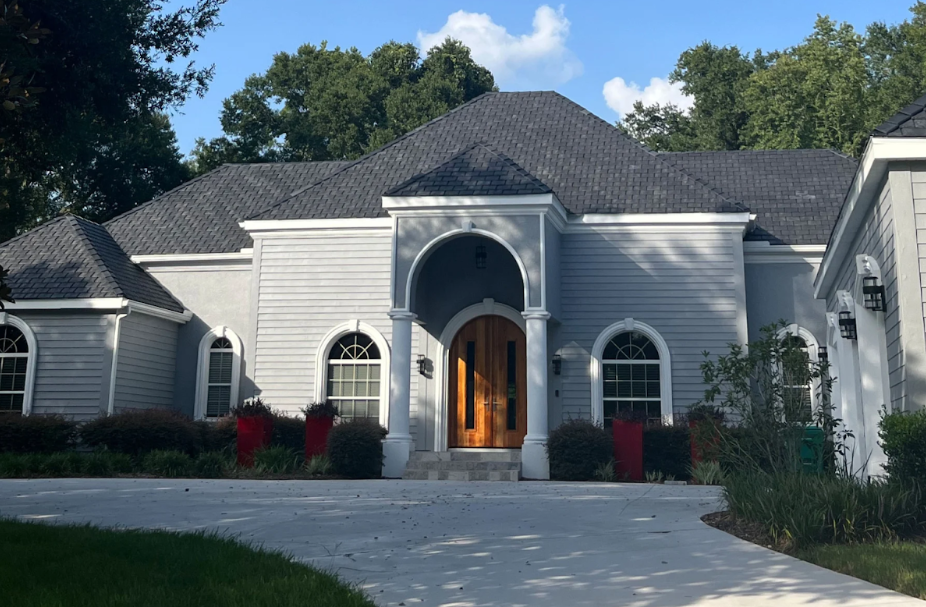
Composite, or synthetic, roofing is another choice. These energy efficient roof shingles are made of 100% recycled plastic and replicate the look of cedar shakes, slate, clay or concrete tiles, with some significant differences: they are significantly lighter, less expensive, and easier to install—they don’t even require a specialized installer.
The energy efficiency of these tiles comes from their UV protection molded into each one, which provides relief from the sun’s UV rays and protects the roof from heat segregation. There are also “Cool Roof” options, which are compliant with California’s strict Title 24 and 31 requirements. These colors provide more energy efficiency, with higher general emittance and solar reflectance rates.
Their durability is equal, if not greater than, the other materials on this list, with Class 4 impact ratings, Class A fire ratings, wind resistance of 188 mph or greater, freeze-thaw resistance, and much more. With these energy efficient roofing shingles, you won’t have to worry about cracking, warping, or paint chipping.
Cool Roof Coatings
Roofs aren’t cheap, and not everyone is ready to invest potentially tens of thousands of dollars into brand new energy efficient roof shingles. Thankfully, there are cool roof coatings, which a roofing contractor can apply to your existing roof. These coatings are a paint-like material that helps to reduce the amount of sunlight your roof absorbs and holds on to.
Different coatings include elastomer, cementitious, PUD hybrid, modified bitumen, spray polyurethane, polymer, fiber-filled, and single-ply coatings. While they all do the same thing, they vary in composition and application and come with advantages and disadvantages.
Unfortunately, cool roof coatings aren’t ideal for all roofs, particularly asphalt shingles. They also aren’t an option for colder climates, as they may end up increasing energy bills, rather than lowering them. ideally, you want to use these coatings on low-pitched roof in a lower climate area.
Tile Roofing
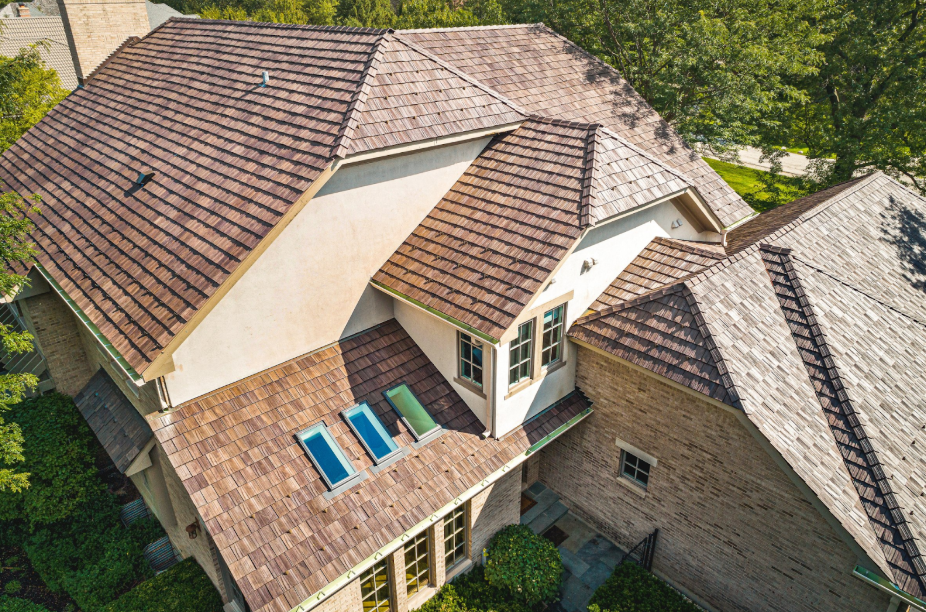
Clay and concrete tiles are also popular energy efficient roofs, which you can see from their popularity in Mediterranean countries as well as warmer areas of the US, including states like California, New Mexico, and Florida. This energy-efficiency is partly due to their weight, making them an excellent insulator and creating a thermal barrier, allowing homes to stay cooler.
Tile roofing is also a durable, long-lasting option that can last anywhere from 50 to 100 or more years with proper installation and maintenance. In terms of their durability, tile roofs are highly weatherproof and withstand exposure to water, ice, fire, and high winds. They also don’t absorb much moisture, which helps make them more resistant to mold growth and low-maintenance.
Despite these advantages, clay and concrete are heavy, expensive materials. The upfront cost is one of the highest in terms of energy-efficient materials, and if your roof isn’t already designed for such weight, that brings significant added costs. There is also the act that tile roofing requires an expert to ensure proper installation.
Keeping Cool With Brava
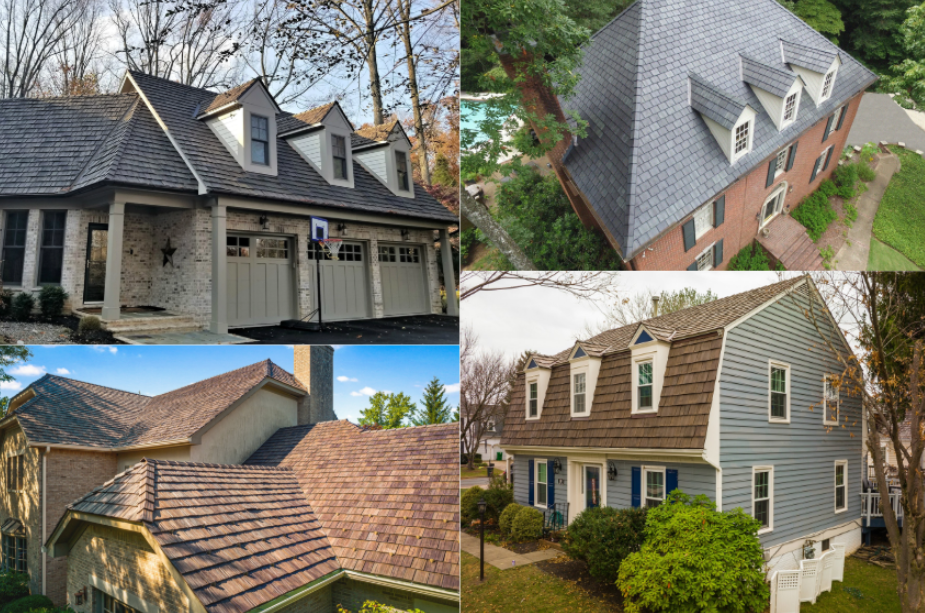
Brava Roofing Tile is one of the leading manufacturers of synthetic roofing tiles. They offer some of the most realistic-looking cedar shakes, slate, and barrel tiles, with all the durability mentioned above. Brava tiles come in a wide array of colors; homeowners can even color-match the tiles to their home for a more custom look. No matter what style you choose, you’ll not only end up with an aesthetic, durable roof, but one that is extremely energy efficient and will save you hundreds in energy costs.
Contact Brava today to learn more about its energy-efficient roofing options and to be inspired by our gallery.