Many homeowners worry about what their insurance covers, especially when it comes time to make repairs. While your policy covers damage to your home, does homeowner's insurance cover a roof replacement, too? Your coverage depends on why you need a roof replacement. Homeowner's insurance will cover you in certain situations when your roof sustains damage, but your insurance company may deny your claim for other reasons. Let's take a closer look at homeowner's insurance and whether or not your damage should be covered.
When Will Homeowner's Insurance Cover Your Roof?
Your dwelling coverage in your homeowner's policy includes your roof. It usually covers fire, wind, and hail. If your roof sustains damage from one of these causes, your insurance most likely covers it. However, if your insurance company finds that you could have prevented a problem that caused the damage, they may still deny you coverage. For example, if you had a dead tree on your property, and it falls on your roof in a storm, your insurer may deny your claim due to negligence. You have a responsibility to maintain your property, which means removing trees that pose a risk to your home. Therefore, if you knew about the dead tree but chose not to fix the problem, your insurer may decide not to cover it. If you did not know about the tree, your insurer will likely still cover the damage.
Know what your policy covers before disaster strikes. Some have windstorm or hail exclusions, which means that your insurance policy will not cover roof damage caused by these events.
Actual Cash Value vs. Replacement Cost Coverage
One of the most important distinctions homeowners don't know to ask about is whether their policy pays actual cash value (ACV) or replacement cost value (RCV) for a roof claim. It can be the difference between getting a full replacement and receiving a check that barely covers labor.
Actual cash value accounts for depreciation. A 15-year-old roof that cost $20,000 new might only be worth $8,000 by the time your carrier applies age-based depreciation, so that's all they'll pay even if you need a full replacement. Replacement cost value pays what it actually costs to replace the roof with new materials at current prices, regardless of the age of the roof that was damaged.
Most standard homeowners policies default to ACV for roofs, while replacement cost coverage typically requires a rider or a different policy tier. Before you file a claim, confirm which type of coverage you have. If you're unsure, it's worth calling your agent before a storm season to understand your exposure.
What Should You Consider with Roof Coverage?

When your roof sustains damage, your insurance policy may contain exceptions that tell you when you will or won't have coverage. First, consider the severity of the storm damaged roof. If a tornado strikes and tears off your roof, you will almost definitely have coverage. However, your policy won't cover general wear and tear. If your roof leaks after a heavy rain, but you have an old roof, your insurance company will likely determine the cause as a lack of maintenance, not the rain itself. On the other hand, if you have an overall good quality roof and a storm's high winds tear away some tiles, your insurance will cover the resulting leaks. With minor roof damage, your insurance company may consider it cosmetic and refuse to cover it.
Make sure you perform proper roof and property maintenance since that makes it more likely for you to get coverage after your roof gets damaged. Maintaining your roof shows that you did everything you could to prevent the problem.
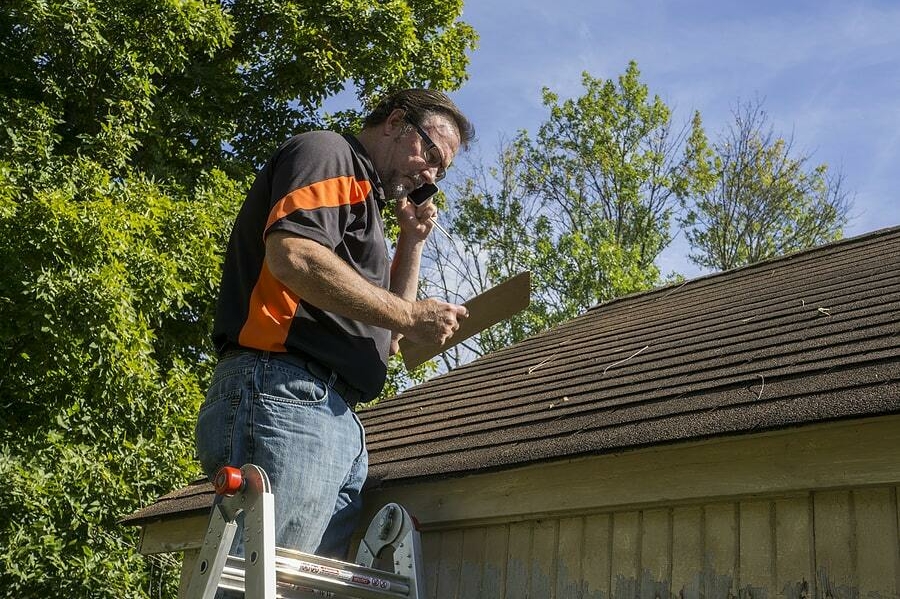
If your roof gets damaged, call your insurance company immediately to come out and inspect it. Promptly reporting roof damage increases your chances of having your claim approved.
How Roof Age Affects Your Claim
Most insurance carriers factor roof age into both the claim payout and, increasingly, coverage eligibility itself. A roof under 10 years old typically receives the most favorable treatment under any policy type. Between 10 and 20 years, ACV depreciation becomes a larger factor and some carriers begin requiring inspections before renewing coverage. Roofs over 20 years old face the most scrutiny: some carriers in high-storm-risk states are refusing to renew policies for homes with aging roofs entirely, or requiring proof of recent replacement as a condition of coverage.
This is one of the practical arguments for investing in a high-quality, long-lifespan roofing material when you do replace. A composite tile roof with a 50-year warranty keeps you in the most favorable coverage tier far longer than an asphalt shingle roof that may need replacement in 15 to 20 years.
How Can You Prevent Roof Problems?
Regular maintenance can help you prevent damage to your roof. Get a professional roof inspection at least once a year. If you have an older roof, you should get biannual inspections. Clean snow and debris off your roof before it collects, and check your roof and gutters after storms to prevent mold, leaks, and rot. If you have tree branches touching your roof, they can cause wear, so make sure you trim them. Know the type of roof you have and its life expectancy.
If you notice a problem, take care of it before it creates a more significant issue. If your insurance company can find a fault in your roof that may have contributed to the damage, it can deny or reduce your claim. For example, suppose you have pests you didn't remove. In that case, your insurance company might consider the pests a contributing factor and determine that you are responsible for the problem.
Wind Mitigation Inspections and Premium Discounts
In hurricane-prone states like Florida and Texas, a wind mitigation inspection is one of the most financially impactful steps a homeowner can take. A licensed inspector evaluates your roof's construction features, including roof shape, deck attachment method, opening protection, and roof covering, and documents them in a report your insurance carrier uses to calculate credits.
Class 4 impact-rated roofing, hip roof geometry, and proper deck attachment can translate to meaningful premium reductions, sometimes hundreds of dollars per year in high-risk markets. In Florida, wind mitigation inspections are required to be provided by the carrier upon request and have been a key part of the state's effort to stabilize its insurance market.
FORTIFIED Home certification from the Insurance Institute for Business and Home Safety (IBHS) goes further, providing tiered documentation of your home's storm resistance that participating carriers recognize for additional discounts. If you're replacing a roof in a storm-prone area, asking your contractor about FORTIFIED standards before the project starts costs nothing and could affect both your premium and your payout in the event of a future claim.
What Not to Say to a Roof Insurance Adjuster
After storm damage, one of the most valuable things you can do is understand how the adjuster evaluation works before it happens. The adjuster's job is to assess the damage accurately, but their findings also protect the carrier's interests. A few things worth keeping in mind:
Stick to facts, not speculation, when the adjuster asks about the damage. Provide installation records, permits, repair invoices, maintenance records, and dated photos to support your claim. Let the documentation speak for the roof's condition and history.
Don't agree to a settlement verbally on the day of the inspection. Ask for the written estimate and review it carefully before signing anything. If the estimate seems low, you have the right to get an independent contractor's assessment and negotiate.
Don't make permanent repairs before the adjuster inspects the damage. Temporary protective measures like tarping are appropriate and often required by your policy to prevent further loss, but permanent repairs before inspection can complicate or reduce your claim.
Don't omit damage when reporting. If you noticed something weeks ago and didn't report it, that creates a gap the carrier can use. Report all visible damage at the time of your initial call, even if you're unsure whether it's covered.
Replace Your Roof With a Superior Roofing System

If you qualify for a complete roof replacement, consider installing Brava Roof Tile. Brava's composite roof shingles capture the aesthetics of slate, cedar shake, and barrel tile. The tiles are designed to be a low-maintenance alternative to traditional materials and carry a UL 2218 Class 4 impact rating. Performance, warranty protection, insurance eligibility, and available discounts depend on the installation, product documentation, your insurer, and the terms of Brava's Limited Lifetime Warranty.
Brava Roof Tile's composite roofing systems are superior to traditional materials. Brava Tile is a low maintenance roofing alternative, built to withstand hail, wind, heavy rain, and any other elements Mother Nature throws at it.
It's also worth thinking about what your next roof means for future coverage. A Class 4 impact-rated composite tile roof can qualify for premium discounts from many carriers in hail and wind-prone regions. A 50-year product keeps you in favorable replacement cost coverage tiers longer. And a material that doesn't require the kind of maintenance that gives carriers grounds to reduce claims on age or wear gives you a cleaner claim history going forward.
If you're navigating a claim right now and considering material options for the replacement, that's the right time to have this conversation.
If you want to learn more about Brava Roof Tile, get a quote or request a free sample today!
This article provides general information about how U.S. homeowners insurance commonly treats roof damage. It is not legal, insurance, or claims advice. Coverage, exclusions, endorsements, deadlines, mitigation credits, and underwriting rules vary by insurer, policy form, and state. Review your declarations page and policy, and contact your insurer, agent, or state department of insurance about your specific situation. Last reviewed: August 6, 2026.
Related Resources
If you're dealing with storm damage or navigating the insurance process, these Brava articles cover the adjacent topics in more depth:
Frequently Asked Questions
These are the insurance questions homeowners ask most often after storm or weather-related roof damage.
Does homeowners insurance cover roof replacement?
It depends on the cause of the damage. Homeowners insurance typically covers sudden damage from covered perils like wind, hail, fire, and falling objects. It does not cover damage from age, normal wear and tear, or lack of maintenance. If your roof is damaged in a storm and you can document the damage promptly, your policy will most likely cover at least a portion of the replacement. How much depends on whether you have actual cash value (ACV) or replacement cost value (RCV) coverage.
Does homeowners insurance cover roof leaks from rain?
It depends on what caused the leak. If rain entered through damage created by a covered storm event, such as wind tearing off shingles or hail cracking tiles, the resulting leak is generally covered. If the leak is caused by deteriorated flashing, aging materials, or a roof that was already compromised before the rain, most carriers will deny the claim as a maintenance issue rather than storm damage. Document any leak as soon as it appears and tie it to a specific weather event if possible.
How does an insurance claim for roof replacement work?
After a storm or weather event, document all visible damage with photos before any temporary repairs. Call your insurance company to report the damage and request an inspection. An adjuster will visit to assess the damage and provide a written estimate. If the damage is covered, the carrier will issue payment minus your deductible. If you have ACV coverage, the payment reflects depreciated value. If you have RCV coverage, you'll typically receive the ACV amount first and the remaining recoverable depreciation after the replacement is complete and receipts are submitted.
What does homeowners insurance not cover for roofs?
Most policies explicitly exclude damage from normal wear and tear, age-related deterioration, lack of maintenance, pest infestation, and mold or rot that developed over time. Some policies in high-risk areas also carry windstorm or hail exclusions, meaning those specific perils aren't covered regardless of how severe the damage is. Some carriers in coastal states are also reducing or eliminating coverage for roofs over a certain age. Review your policy's exclusions and declarations page carefully, and ask your agent specifically about roof coverage before you need to file a claim.
What is the difference between ACV and RCV roof coverage?
Actual cash value (ACV) coverage pays the depreciated value of your roof at the time of damage. A 15-year-old roof that cost $20,000 new might depreciate to $8,000 under ACV, which is all the carrier pays regardless of actual replacement cost. Replacement cost value (RCV) coverage pays what it actually costs to replace the damaged roof with comparable materials at current prices, without factoring in depreciation. RCV coverage typically costs more in premium but provides significantly better protection, particularly for older roofs. Many standard policies default to ACV for roofs, so confirm your coverage type with your agent.
Does a Class 4 roof lower insurance premiums?
In many hail-prone and wind-prone markets, yes. Class 4 impact-rated roofing is recognized by many carriers for wind mitigation credits that reduce annual premiums. In hurricane-prone states like Florida, a wind mitigation inspection that documents your roof covering, deck attachment, and roof shape can qualify you for additional discounts. The savings vary by carrier and region, but in high-risk markets they can be meaningful enough to offset part of the cost difference between standard and Class 4 rated materials over the life of the roof