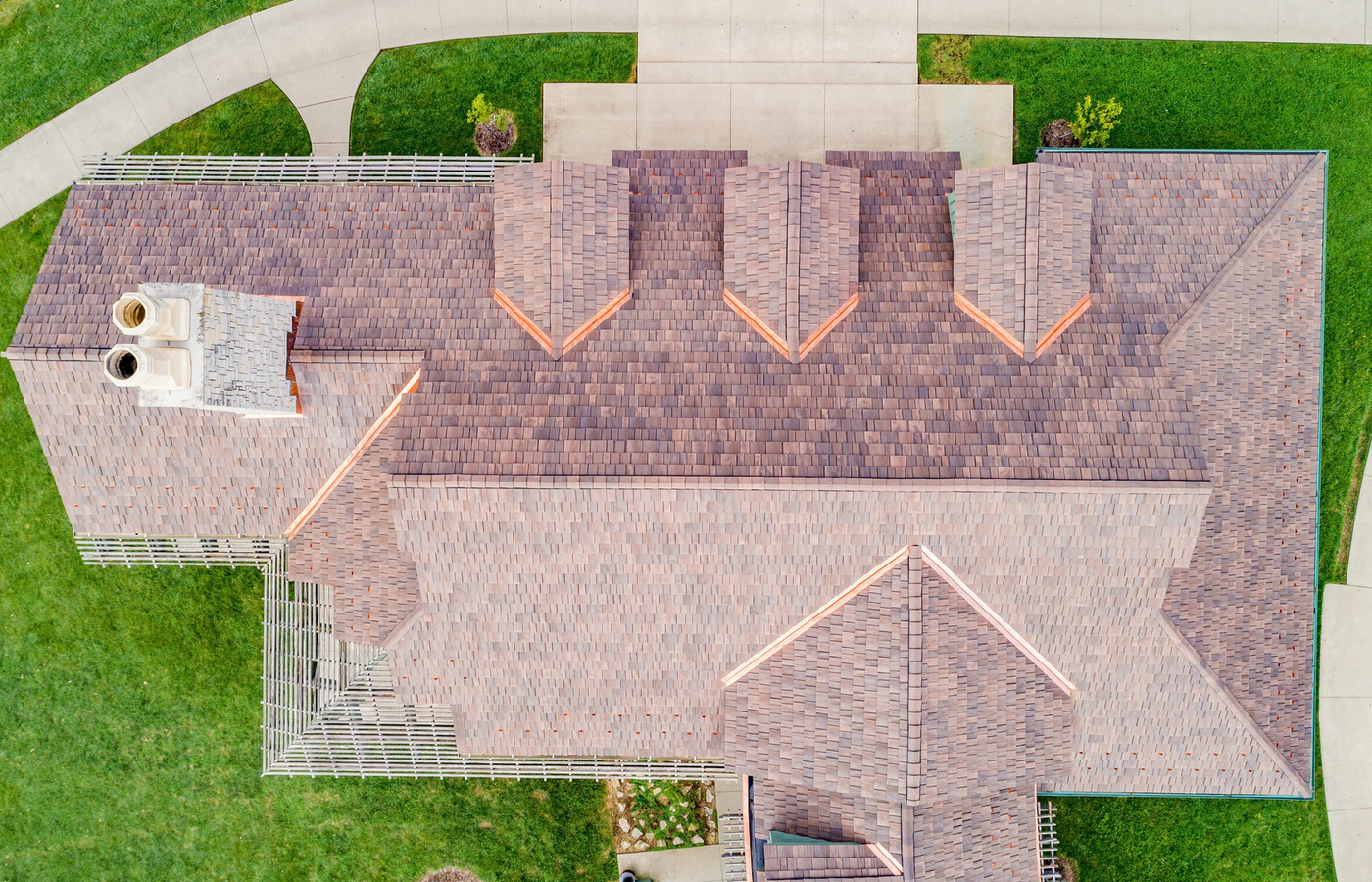
If you’ve ever examined your roof close-up and spotted strips of metal around the sides of walls, in the valleys, and around chimneys, that’s roof flashing. These unassuming pieces of metal have an important job to do. Without flashing, rain and wind can damage your roof’s shingles, and water may leak inside your home.
Learn more about what roof flashing does, the types of roof flashing, and how to know if it’s time to replace your flashing for weather protection and leak prevention.
What Is Roof Flashing?
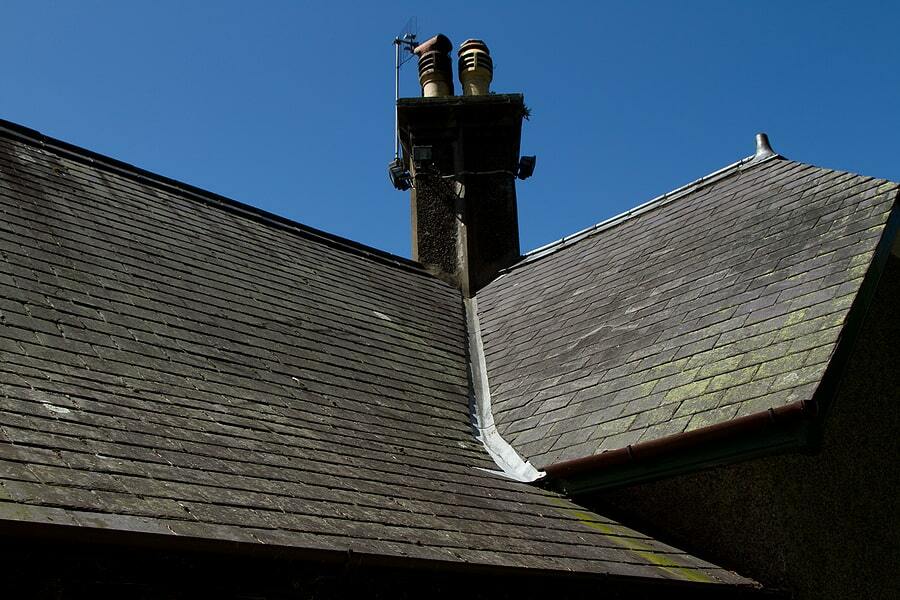
Put simply, roof flashing is a sheet of metal that directs water away from your roof. Most flashing is made from steel, copper, or aluminum.
Steel is the most common choice as it pairs durability with affordability. Copper flashing has a refined look, but it’s much more expensive.
You can also find rubber flashing, which boasts superior water resistance and is less susceptible to damage via thermal expansion. Some people like to install two layers of flashing, one that’s rubber and another that’s metal, for double the protection.
Some homeowners wonder if flashing is optional. They think they can ward off leaks with nothing more than sealant application. This is a big mistake, and it can cost thousands of dollars in roof repair bills.
If roofers don’t install flashing (or if they do so improperly), your roof is all but guaranteed to develop a leak at some point.
Where Do Roofers Install Flashing?
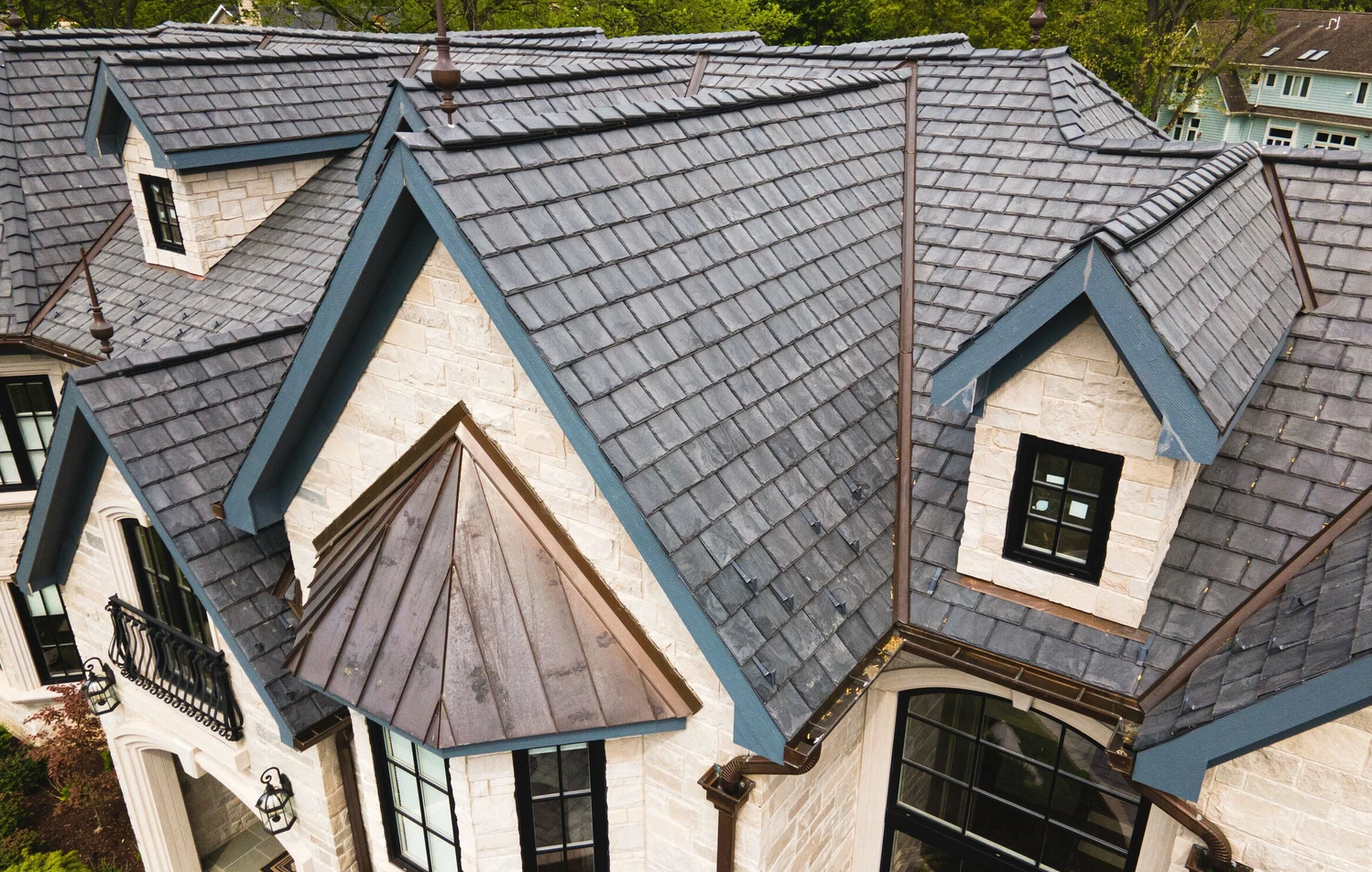
Roofers install flashing in areas of the roof that are prone to leaks. These include, but aren’t limited to:
Chimneys: Chimneys should have flashing around the base.
Skylights: Skylights are notorious for improper installation, and they’re quite fragile as well. To protect against water intrusion, roofers install flashing around the edges of the skylight. Some skylights come with flashing already built in.
Valleys: Sloped roofs with valleys are impressive and beautiful, but these roofs can leak where two roof panels meet. Roofers install flashing there to prevent leaks.
Vents: Vent pipes are a critical part of your roof as they expel excess moisture from your home. The base of each vent pipe needs flashing to direct water elsewhere.
Types of Roof Flashing
Flashing comes in several varieties. Your home may have one or a combination of these.
Counter Flashing
Counter flashing is popular for walls and chimneys. Roofers install it by sawing the flashing into an existing mortar joint. Unlike some other types of flashing, counter flashing is left exposed.
Step Flashing
Step flashing gets its name because it looks like a staircase (also because it’s installed step by step). As with counter flashing, roofers use step flashing to protect walls and chimneys.
Open Valley Flashing
Open valley flashing is ideal for roofs with valleys, as the name implies. If you want to install slate, synthetic shingles, or cedar shake shingles, you’ll need to install flashing around the valleys. That’s because these materials don’t bend, so it’s not possible to close the valley without flashing.
Apron Flashing
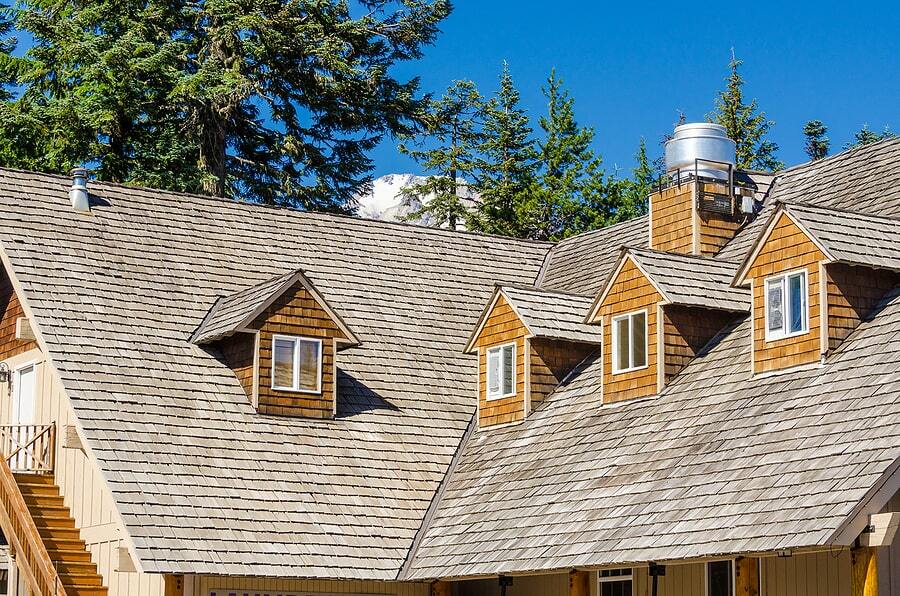
Apron flashing is shaped like an L and sits around the base of walls. Roofers can also install apron flashing around dormers to prevent water from leaking into windows.
Signs It’s Time To Replace Roof Flashing
Like the rest of your roofing components, flashing won’t last for an eternity. Here’s how to know it’s time for a flashing replacement:
Your flashing is cracked or broken in parts.
The flashing is loose and wobbly. Properly secured flashing should not easily wiggle or come loose in your hands.
Your metal flashing is rusted or corroded. Rusted flashing can develop holes that let water in.
You notice water spots on the ceiling or unexplained puddles on the floor.
Your roof or skylight leaks only when it’s raining.
Flashing Maintenance Tips
Flashing can last for years if you treat it right. Follow these waterproofing tips to keep moisture out of your home:
Choose the most durable material when installing flashing. Steel and rubber are two good picks. Copper is long lasting but expensive. Aluminum is a common choice because it’s more affordable than other options but not as durable.
Regularly clean your gutters and remove debris from the roof every couple of months.
Have your flashing, and the rest of your roof, inspected at least once annually.
If you spot problems with flashing, call a roof repair company right away.
Make the Switch to Brava Composite Roofing
Need the perfect roofing material to go with your roof flashing? Brava Roof Tile offers highly durable, ultra-realistic synthetic composite roofing tiles that look beautiful and work with roof flashing to protect your decking and home from water. All of our roofing materials are made from recycled plastic and sustainable materials.
Contact us to learn about our synthetic Spanish barrel tile, slate roofing tile, and cedar shake today. You can also request a sample to see the quality of Brava Roof Tile for yourself.