Low-slope roofs demand specialized materials and installation methods, and standard steep-pitch products may not do the trick. When evaluating your low-slope synthetic roof installation, professionals emphasize how important it is to understand the technical requirements, material limitations, and design considerations. Protecting your investment depends on getting these elements just right.
Brava specializes in synthetic roofing solutions, including those explicitly engineered for challenging low-pitch applications. In this guide, we'll walk you through everything from slope requirements to installation techniques. If you’d like decades of reliable performance from high-quality, low-slope roofing, contact us for a quote.
Understanding Slope Limitations When Installing Roofs
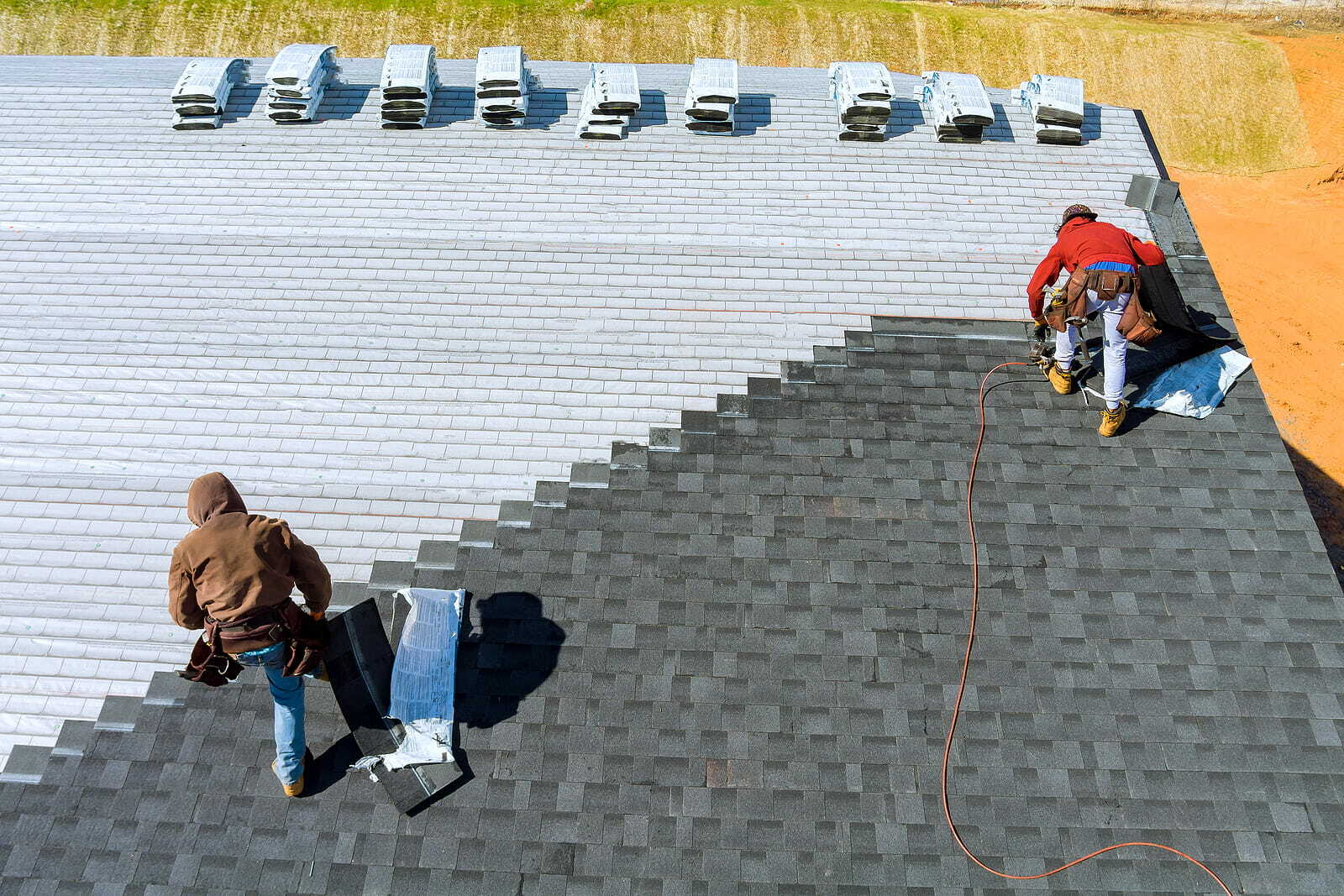
Different roofing materials perform effectively only within specific pitch ranges. For example:
Traditional asphalt shingles typically require a minimum slope of 4:12. Some manufacturers permit installation on 2:12 pitches, but require special underlayment.
Metal roofing panels can sometimes work on slopes as low as 1:12 when properly sealed. However, these commercial-looking solutions sacrifice aesthetic appeal.
Your low-slope synthetic roof installation team will need to match the appropriate products, especially if you’d like to avoid premature roof replacements and unnecessary repairs. Synthetic roofing design for gentle slopes opens new possibilities for residential applications. You can install Brava synthetic tiles on roofs with 4:12 or steeper slopes for the authentic appearance of natural slate, cedar shake, or Spanish barrel tile, but with proper underlayment, composite options also work on lower 3:12 slopes.
Installation Techniques for Low-Slope Roofs
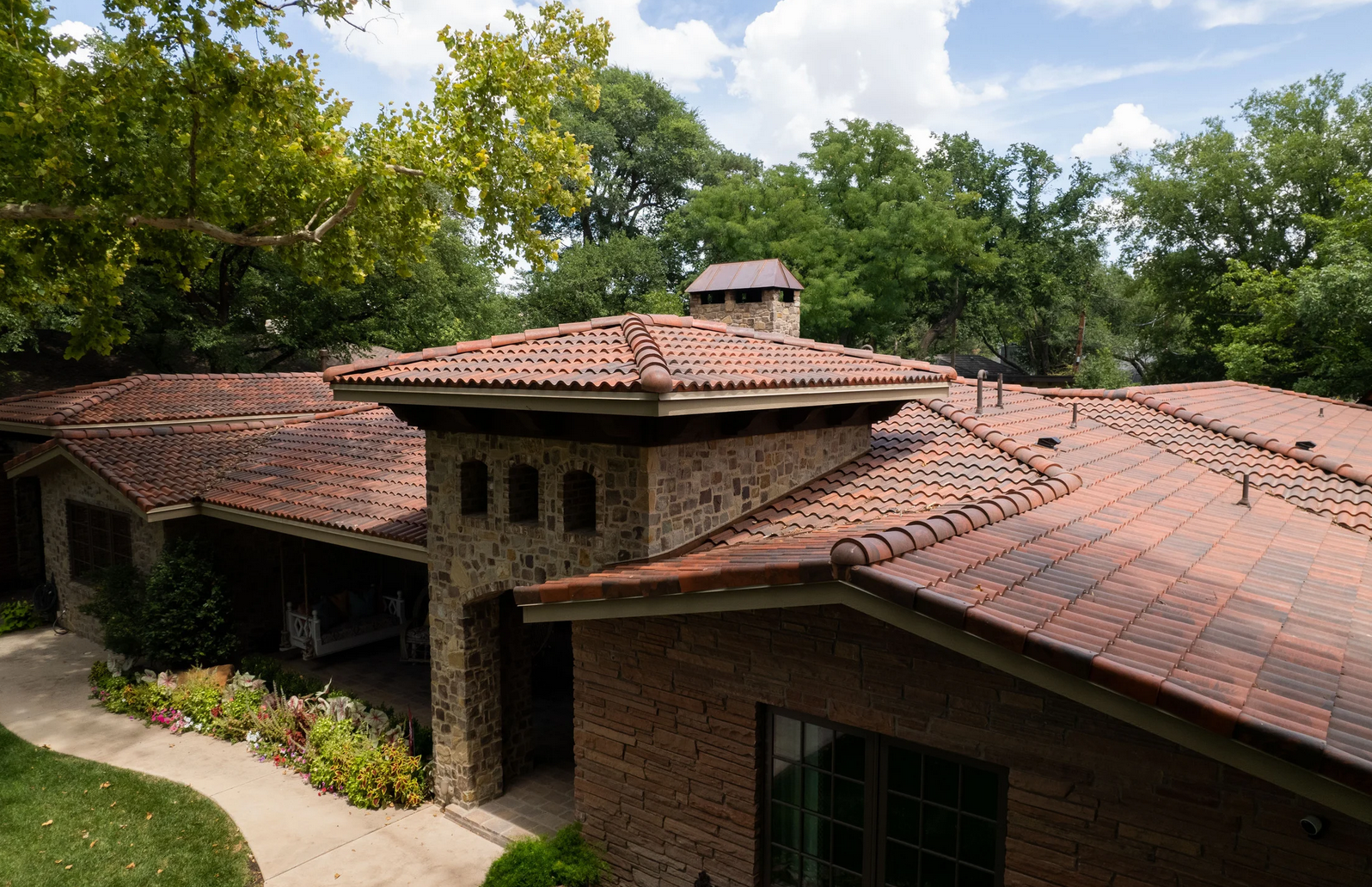
As you might expect, a low-slope roof requires meticulous attention to waterproofing layers and drainage planning. Standing water and moisture intrusion plague shallow-pitched roofs, so your underlayment selection can make or break your roof's performance over time.
For low-slope synthetic roofing systems, experts like Brava may suggest installing specific underlayment based on the location and material. The usual double layer of No. 15 underlayment as your baseline protection may not be enough.
Your installation team will consider things like an ice and water shield across the roof deck, and asphalt-saturated and coated organic felt base sheets to create multiple barriers against moisture intrusion. The flashing details require extra care around penetrations, valleys, and transitions. Installation professionals will also look at sealing chimneys, vent pipes, and skylights with materials rated specifically for low-slope applications.
Ready to ensure your low-slope roof meets the highest waterproofing standards? Contact Brava to discuss the underlayment options.
Low-Pitch Roof Membrane Options and Waterproofing
No matter the type of roof file you choose, water can be a problem for low-slope roofs. Self-adhering membranes bond directly to roof decking, creating watertight seals around nails and penetrations for lower slopes. Drainage planning prevents the pooling that destroys low-slope roofing systems.
Your installation team will consider tapered insulation systems, interior drains, and properly positioned gutters for effective water management. Synthetic roof solutions for low-slope structures ensure that pooled water drains within 48 hours to prevent roof degradation, mold growth, and structural damage.
How Synthetic Tiles Perform on Low-Pitch Designs
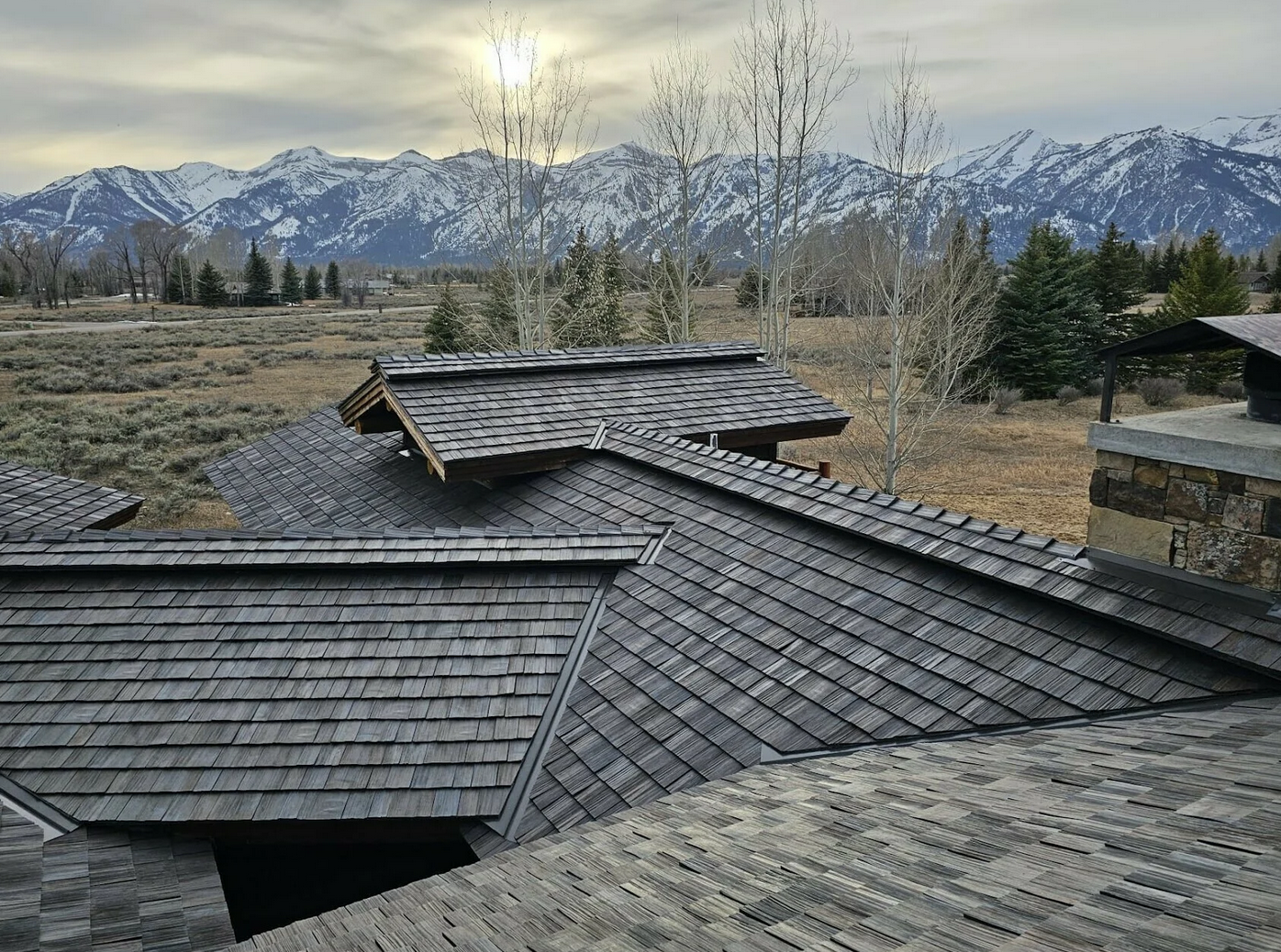
Brava synthetic tiles excel on flatter structures. Here are the main benefits to expect from low-slope synthetic roof installations:
Great water resistance: Composite’s non-porous qualities prevent organic growth that discolors and weakens materials.
Reliable temperature handling: Temperature extremes stress low-pitch roofs through freeze-thaw cycles and thermal expansion. Brava tiles can resist splitting and cracking, maintaining their integrity through seasonal shifts.
High wind resistance: Wind uplift forces concentrate on flatter applications. Some Brava tiles achieve wind ratings above 188 MPH when installed with ring-shank nails.
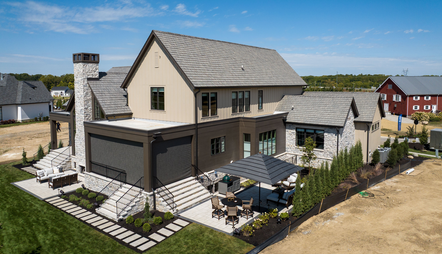
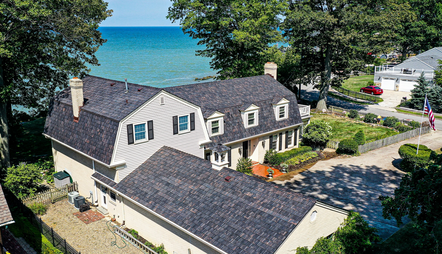
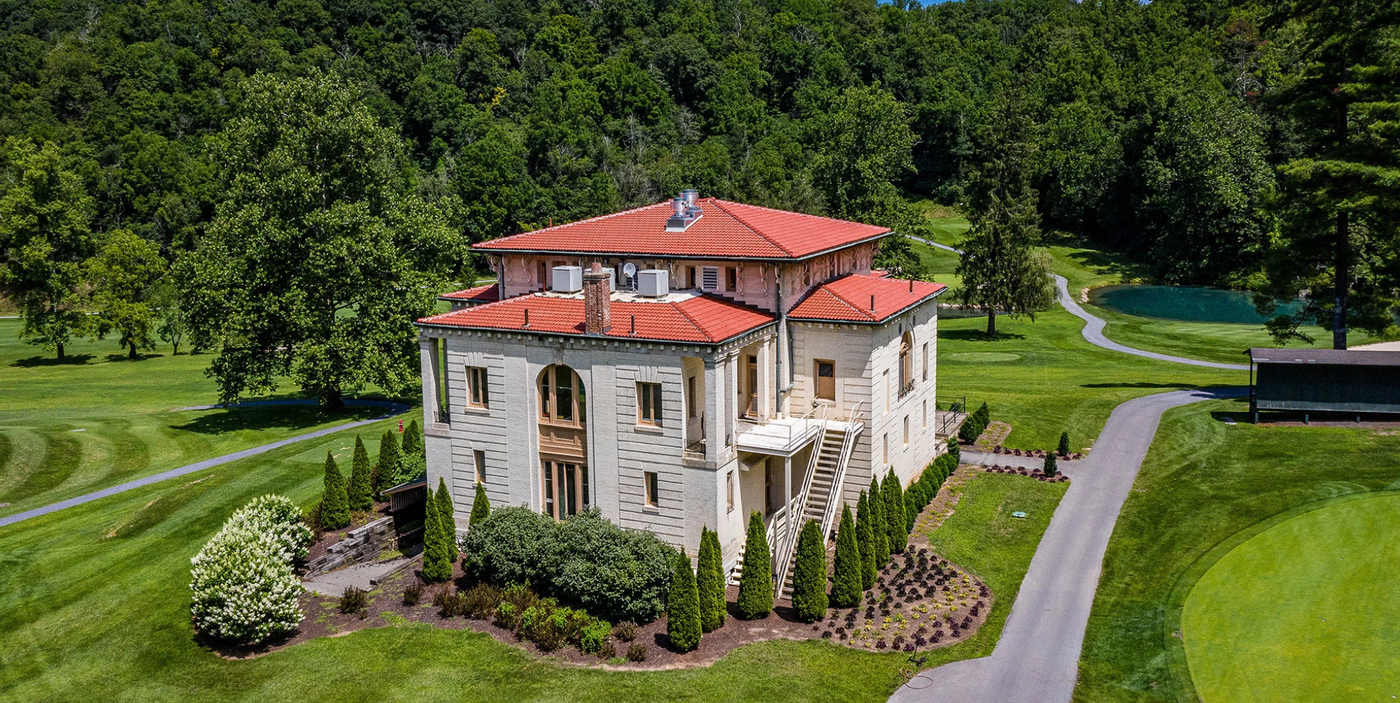
You’ll find that contemporary homes with clean lines pair beautifully with Brava's slate profiles, while Spanish barrel tiles add Mediterranean charm to low-pitch applications. If the roof's slope allows for it, cedar shake can bring warmth and traditional character, capturing the rustic appeal of wood without the rot, insect damage, and fire risk. Explore our full range of synthetic tiles to discover which profile best fits your home and weather challenges.
Code Considerations and Synthetic Roof Requirements
Another important benefit of synthetic roof tiles involves code-compliant, safe materials. When installing a large commercial or multifamily unit roof, you must comply with Chapter 15 of the International Building Code. For residential applications, Chapter 9 of the International Residential Code applies.
Fire ratings become especially important for low-slope roofs in wildfire-prone regions. If you’d like your roof to meet the strictest requirements for fire resistance, consider Brava tiles that carry Class A fire ratings.
Brava Makes Low-Slope Installation Simple
At Brava, we engineer our synthetic tiles to excel, even on challenging low-pitch applications. Request a product sample online or contact us at (844) 290-4196 to discuss your next low-slope synthetic roof installation project and discover how our robust solutions protect homes nationwide.