So many aspects of your home can impact its energy consumption rates, from your windows and walls to your HVAC units and roofing materials. If you’re asking, “How do different roofing materials affect my home’s energy efficiency?” you’ve come to the right place.
Below, we cover everything you need to know about the impact of popular roofing materials on energy costs so you can select the sustainable choice for your needs. When you’re ready to upgrade to synthetic shingles for high efficiency, request a quote from Brava Roof Tile.
When Utility Costs Rise, It May Be Time To Look Up

When your utility costs rise, you may initially blame your old air conditioner, leaky windows, thin doors, and more. While these factors impact your home efficiency, you must not overlook the role of your roofing system.
Here are the main ways roofing materials can impact energy efficiency:
Solar reflectance: Roofs with proper reflective coatings have the ability to reflect solar heat while releasing absorbed heat through thermal regulation. A roof with high Solar Reflective Index (SRI) and thermal emittance ratings can be up to 60 degrees cooler on the surface than standard asphalt roofs.
Ventilation: Heat rises, requiring a way to escape. Without proper ventilation, the upper rooms of your home can get quite hot, requiring your HVAC systems to work overtime to keep up. Proper roofing ventilation ensures that heat can escape for ideal system efficiency.
Insulation: Properly insulated roofs prevent heat transfer and unwanted air leakage, keeping your conditioned air in. Some materials provide natural insulation, while other roofing systems require additional layers for ideal performance.
Looking at the Efficiency of Different Roofing Materials
Now that you understand how roofing affects heat absorption and air circulation, let’s get back to the question at hand: “How do different roofing materials affect my home’s energy efficiency?” Every common material on the market provides varying degrees of efficiency, so let’s review:
Asphalt shingles: Asphalt roofs come at the lowest price point but generally provide the least amount of energy efficiency. Such solutions typically cannot reflect solar heat, regulate thermal temperatures, or properly ventilate attic heat. The most modern asphalt shingles provide slightly better performance, particularly if you can find solar-reflective options, but you still cannot enjoy ideal efficiency.
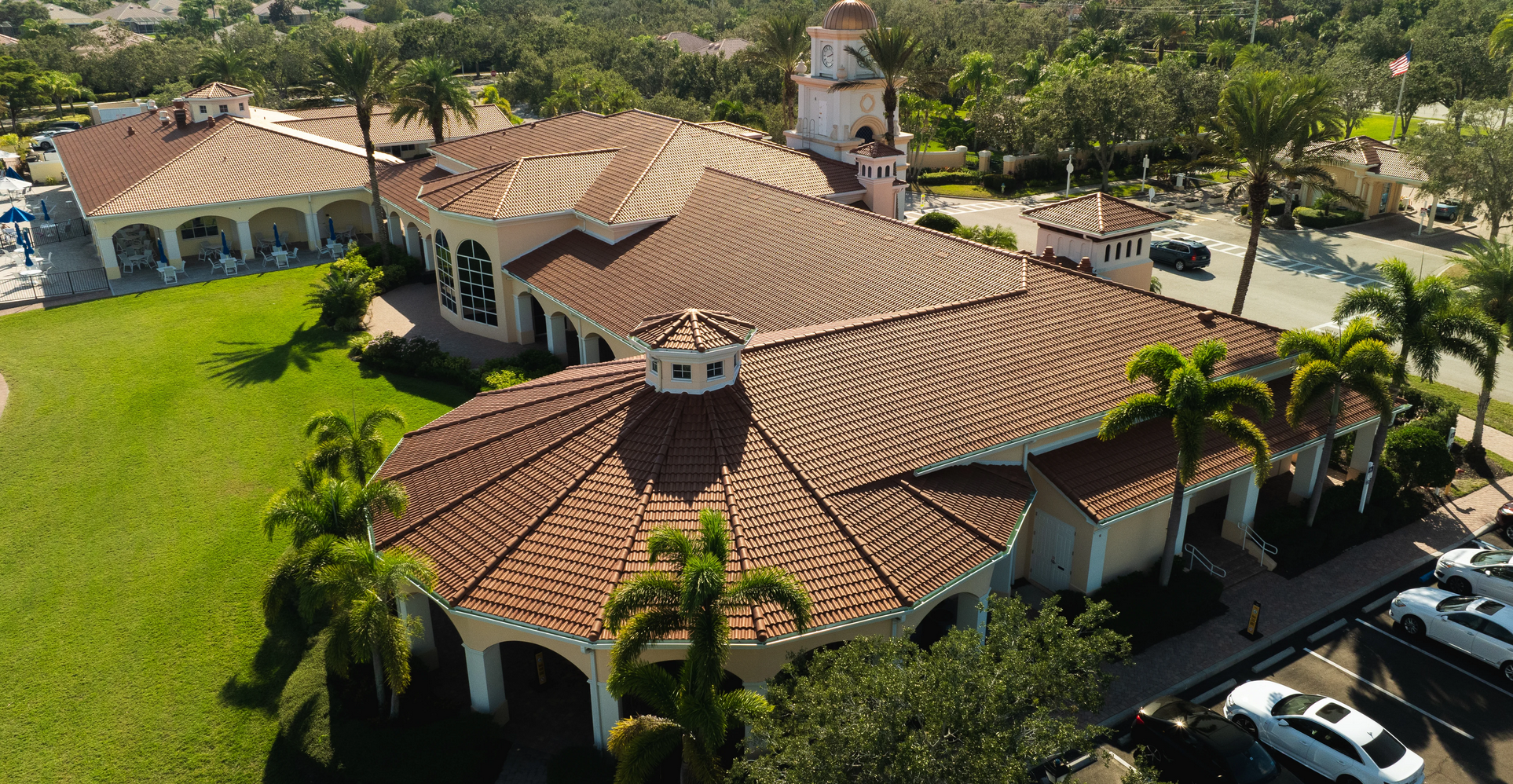
Tiles: Clay, slate, and concrete tile roofs offer natural ventilation because of the individual installation style and excellent insulation from the heavy-weight material. If treated, some tiles can offer reflective qualities, but you must seek these options.
Metal: Metal roofs offer excellent reflective qualities, but the darker color options may not perform as well as lighter shades. Most metal roofs offer high SRIs but lack natural insulative qualities.
While some of these roofing options may offer relatively decent energy efficiency, they do not excel in the durability and style categories.
Is There a Better Option?
Now you know the answer to “How do different roofing materials affect my home’s energy efficiency?” but what happens if a metal roof doesn’t match your home’s aesthetic and you still want to keep your energy consumption rates down? Tile roofs can be efficient but require exhaustive upkeep and can crack during a hail storm.
So, what’s the better option?
Synthetic roofs offer impressive energy efficiency qualities, such as premier reflective coatings, exceptional insulation, and proper ventilation to keep homes comfortable at a lower cost. Brava offers Title 24-approved, cool-rated synthetic roofing shingles, allowing you to achieve the highest energy efficiency standards without compromising style, durability, or performance.
With Brava roof tiles, you can enjoy:
Class A fire resistance
The highest impact resistance against hail
Full recyclability
Premier energy efficiency
Natural insulative qualities
Protection against UV rays for sustained vibrant colors
Wind resistance up to 188 mph
Superb water resistance
And more!
Brava incorporates natural fibers into the synthetic solution so your roof can mimic organic materials while performing far more efficiently. Our thoughtfully designed tiles come in many patterns and colors, including synthetic cedar shake, slate, and Spanish barrel tiles. Each tile features natural variations just as you would find in nature.
Choose Efficiency by Choosing Brava
Now that you know the answer to “How do different roofing materials affect my home’s energy efficiency?” you can confidently select the right roofing system for your property. Get a free sample of Brava roof tiles today!