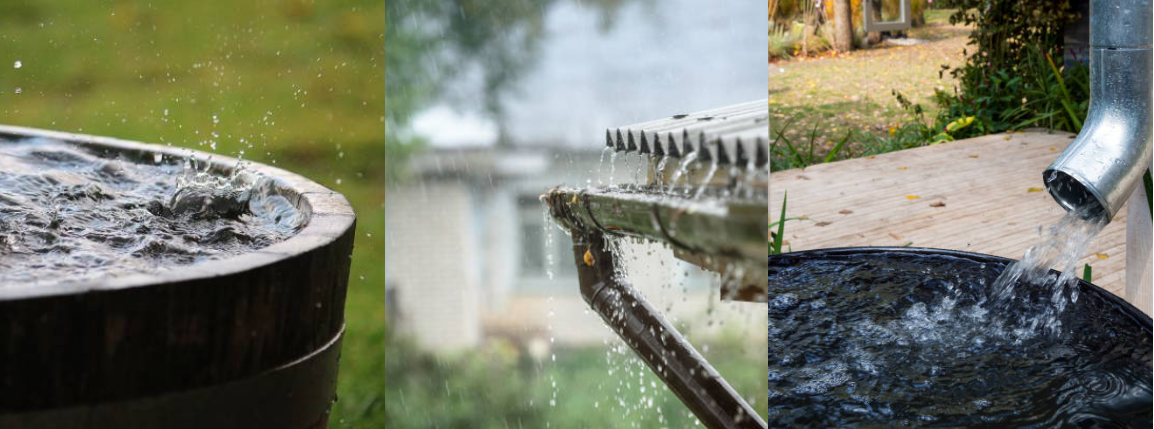
As homeowners increasingly seek sustainable solutions to reduce their environmental impact and utility costs, rainwater harvesting has emerged as a practical and eco-friendly option. Surprisingly, one of the most important components of a successful rainwater harvesting system is right above your head—your roof. With the right materials and design, your roof can do more than just protect your home; it can serve as a powerful tool for sustainability.
What Is Rainwater Harvesting?
Rainwater harvesting involves collecting, storing, and using rainwater that falls on rooftops or other surfaces. It’s a time-tested practice with ancient roots, now gaining momentum as modern concerns about water conservation, climate change, and self-sufficiency grow.
Using a basic rain barrel for your garden or setting up a more advanced filtration system for indoor use, harvesting rainwater reduces dependence on municipal water, cuts utility costs, and helps prevent stormwater runoff that contributes to erosion and waterway pollution.
Why Your Roof Matters
Your roof is the first point of contact for every drop of rain. The type of material it’s made from can significantly affect both the volume and quality of water you collect. Some roofing materials leach harmful chemicals, while others may degrade over time and compromise water safety. That’s why choosing the right roofing material is important for a clean, efficient rainwater harvesting system.
Roofs that are smooth, durable, and made from non-toxic materials are best for collecting rainwater—especially if the water will be used for irrigation, cleaning, or even indoor use with proper treatment. The right roof isn’t just a cover for your home—it’s a gateway to a sustainable lifestyle.
Choosing the Right Roofing Material for Rainwater Collection

When selecting roofing materials with rainwater harvesting in mind, consider these key factors:
Non-toxic composition to ensure safe water
Durability to prevent breakdown or contamination
Smooth surface to maximize water flow and minimize debris
Resistance to mold and mildew
Brava Roof Tile products meet and exceed these standards. Made from recycled materials, Brava’s synthetic roofing tiles—available in slate, cedar shake, and Spanish barrel styles—are engineered for durability and water safety. Unlike asphalt shingles, which can leach chemicals, or wood shakes, which may degrade, Brava’s composite tiles are designed to withstand the elements without compromising water quality.
How to Set Up a Rainwater Harvesting System Using Your Roof
Creating a rainwater harvesting system starts with your roof but includes several key components:
Gutters and Downspouts: Collect and direct water to a storage tank.
First Flush Diverters: Remove the first round of rainwater, which may carry dust, leaves, and contaminants from the roof.
Storage Tanks: Rain barrels, cisterns, or underground tanks can hold water for later use.
Filtration: Depending on usage, filters can remove debris, sediment, and even bacteria.
Distribution System: Pumps and pipes can help deliver the water to your garden, toilets, or laundry systems.
With a durable, non-toxic Brava roof as your collection surface, you’re already setting your system up for success.
Environmental and Economic Impact
The benefits of harvesting rainwater extend far beyond your backyard. On a personal level, it can significantly lower your monthly water usage, especially if you irrigate your lawn or garden regularly. It also provides a backup water supply in case of drought or water restrictions. On a broader scale, rainwater harvesting helps reduce the volume of stormwater runoff that can overwhelm drainage systems and pollute local waterways.
When paired with a long-lasting roof like Brava’s, the environmental return on investment only grows. Fewer repairs, longer lifespans, and no need for chemical treatments mean less waste over time.
Maintaining a Sustainable Rainwater System
A well-functioning system doesn’t require much maintenance—but it does need consistency. Regularly clearing gutters of debris, checking filters, and inspecting storage tanks will keep your system running smoothly. Inspect the roof a couple of times per year to ensure there’s no accumulation of leaves, moss, or other contaminants that could affect water quality.
With Brava tiles, which resist mold and deterioration, much of this routine becomes simpler and less frequent. Their resilience supports a clean, low-maintenance setup.
Brava Roof Tiles: Built for Sustainability

At Brava, sustainability isn’t just a buzzword—it’s a commitment built into every tile. Our products are manufactured using recycled materials and designed to outperform traditional roofing in durability, safety, and appearance. Unlike other materials, Brava tiles don’t break down into harmful particles or require special treatments to last. That means your rainwater stays clean and your roof stays beautiful—for decades.
In addition, choosing Brava supports broader environmental goals. Our manufacturing process reduces waste, and our tiles help homeowners meet sustainability benchmarks that may qualify for green building certifications.
Your Roof, Reimagined
Sustainability often starts with small changes. By rethinking your roof as more than just a protective shell and considering its potential as a rainwater harvesting platform, you take a meaningful step toward eco-conscious living. With the right material—like Brava’s composite tiles—you can combine performance, beauty, and sustainability in one smart decision.