While hailstorms aren’t always as damaging as thunderstorms, they aren’t something to underestimate. These storms can be severe, with hail getting up to 4.5 inches in diameter and even bigger on the exceedingly rare occasion. The bigger the hail, the more damaging it can be, especially to your roof.
Homes that suffered hail damage suffered because they lacked the right materials to protect their home. Ensuring your home is safe from hail damage means investing in hail proof shingles. What does that mean exactly? What makes roofing materials hailproof? This article will explain what hail-proof roofing is, why it’s worth considering, how impact ratings work, and which materials offer strong protection for your home.
What Are Hail Proof Shingles?
Hail proof roofing shingles, or impact-resistant shingles, are designed to be able to withstand hail and other flying debris, sustaining less to no damage at all, compared to more traditional materials. Beyond their ability to better withstand impacts, these shingles also offer superior wind resistance, adding another layer of durability and storm protection.
Why Are They Important for Protecting Roofs?
Large hailstones can fall at rates of 90 miles an hour or more, causing significant damage to the average shingle roof. Potential hail damage to a roof can include dings and dents on the material, roof vents, gutters, and roof flashing.
Hailstones can also lead to loss of granules in asphalt shingles, exposure of the underlying fiberglass mat, and cracking, which is also possible for tile roofing. In extreme cases, they can even lead to holes in the roof, particularly if it is old or in poor condition. Beyond this, for those in hailstorm-prone areas, the lifespan of their roof can be drastically shortened—where the average asphalt shingle roof lasts around 20 years, for these areas, that becomes seven to ten years.
Hail proof roof shingles will minimize the risk of damage and, when Class 4-rated, make it almost a non-issue. This means there will be no need to worry about costly repairs that come with hail damage. The added durability will also mean your roof will require less maintenance and have a longer lifespan.
Hail-Proof Shingles and Impact Ratings
Impact-resistant shingles are separated into four classes, numbered 1-4, based on their ability to withstand impacts. Class 4 ratings are the highest and most desired, as they can withstand the harshest impacts with little to no damage.
Ratings are achieved through thorough testing of the products, carried out by the Underwriters Laboratories (UL), a global safety science company. The test they perform to determine a product’s class replicates the effects of falling hail, using varying-sized steel balls, dropped twice from various heights from the same spot. The four ratings break down as follows:
Class 1: These materials can withstand impact from a 1.25-inch steel ball, dropped twice, from a height of 12 feet.
Class 2: Materials can withstand impacts from a 1.5-inch steel ball dropped from 15 feet.
Class 3: Materials can withstand impacts from a 1.75-inch steel ball dropped twice from 17 feet.
Class 4: Materials can withstand impacts from a 2-inch steel ball, dropped twice, from 20 feet.
After the test, materials are examined for signs of damage, such as tearing, fractures, splits, cracks, ruptures, or any other potential damage. Based on the test results, materials will either fail or be assigned a class rating.
Why Make the Investment?
A new roof is an investment as it is, but an impact-resistant roof is even more of one. These roofs cost more, but higher prices mean more durability; your home will be better protected from impacts, whether it is hail or other small debris. Moreover, impact resistance goes hand-in-hand with wind resistance, with Class 4 impact rated shingles able to withstand Class 4 hurricane-force winds. Hail proof roof shingles are also fire resistant, which have their own rating system, with Class A the highest materials can achieve and Class C the lowest.
Beyond their durability, investing in these shingles can make you eligible for an annual discount on your homeowners insurance, especially if you’re upgrading from a more fragile material, like wood roofing. This discount may also apply to new homebuyers if you decide to sell your home.
Finally, there is the environmental benefit. Impact-resistant shingles are more durable and, therefore, last longer, so your roofing material won’t contribute to the growing waste problems. Even if there comes a time when you do have to replace hail-proof roofing shingles, they tend to be recyclable.
The Best Materials for Hail Proof Roofing Shingles
If you’re investing in an impact-resistant roof, you want to invest in the best. Here are some materials to consider:
Concrete and Clay Roofing
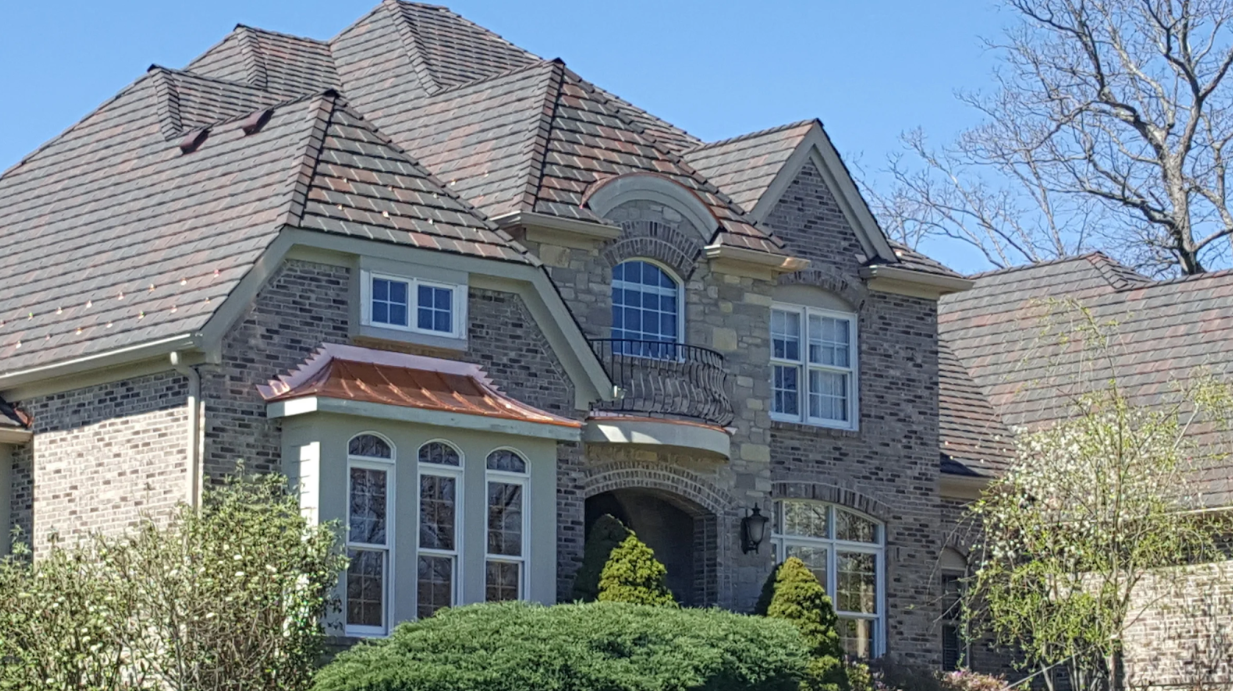
Clay and concrete tiles are materials that have been around for a long time, with clay tiles dating back to ancient times. These materials can last 50 years, and clay can last up to 100 years. They are highly durable, offering Class A fire resistance and Class 4 impact resistance, and can withstand severe weather conditions.
They are a great choice for hail-prone areas due to their solid, rigid form that can resist impact. However, correct installation is necessary to ensure these benefits are achieved, as individual tiles can be fragile and more prone to damage.
Like metal roofing, clay and concrete are expensive materials that require expert installation. They are also extremely heavy and require adequate support for safe installation, which can add additional costs.
Metal Roofing
Metal roofing has become increasingly popular over the years due to its durability, strength, and lifespan of 40 to 70 years. In addition to fire and wind resistance, steel, aluminum, and copper metal roofs are also Class 4 impact rated.
It is crucial to consider the gauge of the metal you choose, as thinner gauges will be more susceptible to denting or damage. You’ll also want to consider additional protection for the roof, such as zinc and aluminum-zinc coatings, which provide extra protection from corrosion and impacts.
Metal roofing offers many styles, including some resembling slate, barrel tiles, and cedar shakes. It is a premium material that costs more than asphalt shingles, which is something to keep in mind. It also requires a specialized metal roofing contractor. Metal roofs can also be noisy during rain and hailstorms.
Slate Tiles

Slate is another option to consider when you want hail proof shingles. It is a natural, environmentally friendly material that is highly durable, offering top fire and impact resistance ratings and is suitable for virtually any climate. It offers a natural beauty and a long lifespan, lasting 100 years or more.
It is one of the most expensive and heaviest materials on this list and, like clay or concrete, requires substantial structural support to avoid a roof collapse. They also require a slate roof expert for proper installation.
Asphalt Shingles
Asphalt shingles are another option for hail proof roof shingles, though it isn’t the first material most people think about in terms of durability. Asphalt shingles are the most widely available material, offering various colors and styles. They are suitable for various climates, offering moderate protection from hail and other weather. The higher the quality of the asphalt shingles, the more durable they are.
Asphalt shingles' longevity varies depending on the type and climate you live in. More basic asphalt shingles are cost-effective and typically last about 20 to 25 years. Architectural and premium shingles will be more expensive, but also last longer, from 30 to 40 years.
Composite Tiles
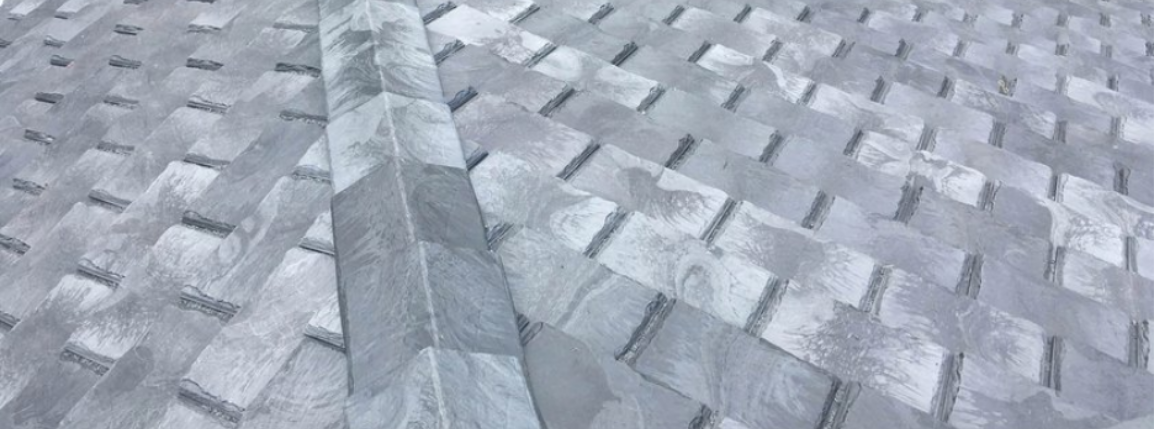
Finding the right balance between durability and aesthetics can be difficult. Composite, or synthetic roofing, offers a unique alternative that checks many boxes. These tiles are typically made from recycled materials, including plastic, rubber, and similar polymer materials, which are condensed into lightweight, highly durable tiles. They are designed to mimic popular materials, specifically cedar shakes, slate, and barrel tiles.
They also offer the durability to match; from extreme weather resistance, Class A fire ratings, and Class 4 impact ratings, composite tiles can withstand virtually any weather with no damage. Cost-wise, it is similar to metal roofing but has no special installation requirements.
Class 4 Impact Resistance With Brava
When you want the best of hail proof roofing, you’ve got different options, but synthetic tiles may top the list. They offer superior durability, without fragility concerns, and a long lifespan with minimal maintenance requirements. Brava Roofing Tile is one of the top synthetic brands, offering some of the highest durability ratings, including Class 4 impact ratings and hurricane-force wind resistance.
The three tile styles are molded to offer a realistic, dimensional appearance, so it wouldn’t be obvious that they aren’t the real thing. With a Brava roof, you’ll be protected from more than impact, and you’ll never have to worry about repairs, replacements, or maintenance beyond annual inspections and simple roof cleanings; you’ll have 50 years or more of beautiful protection
Contact Brava today to learn more about our Class 4 impact-resistant synthetic roofing options.