Does that first crack of thunder send you running to check for roof leaks? If you're relying on standard building codes to protect your property during severe weather, you might be in for an unpleasant surprise. There's a crucial difference between a roof that's code-compliant and one that's genuinely storm-ready, especially in hurricane-prone regions.
In this guide, Brava's roof experts discuss the FORTIFIED roof versus standard code for tile roofs, and why the material choice matters.
When "Built to Code" Leaves Your Roof Vulnerable
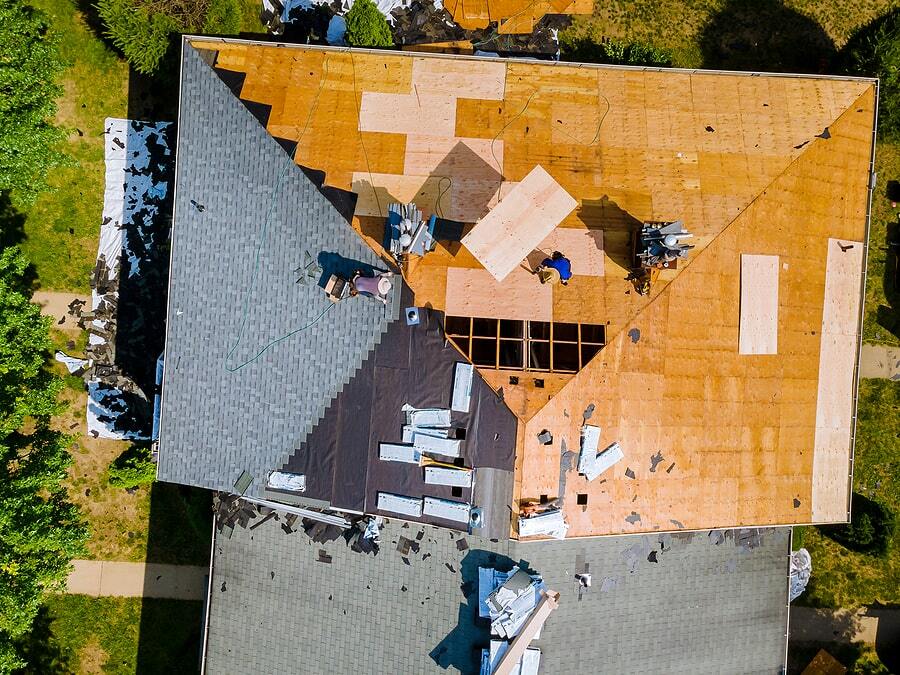
Is there much difference between basic tile roof building codes and more rigorous regulations, such as the Insurance Institute for Business & Home Safety’s FORTIFIED roofing standards? Yes, and the code you choose could determine the likelihood of your home's roof either weathering the next big storm or becoming a statistic.
Local building codes establish the absolute minimum safety requirements. They're like the passing grade for construction work, but what happens when nature presents its final exam? Code-minimum roofs are designed to perform under normal conditions, not to withstand extreme forces.
Standard roof tile construction often relies on smooth nails that can gradually work loose under constant wind pressure. Even if it is code-compliant, your standard roof will be vulnerable in extreme conditions because any gaps between roof decking components will invite water intrusion. Standard work also uses basic edge details, which offer little resistance against wind uplift.
These issues are not code violations, but they are calculated risks that could become critical failure points when a storm hits. That's why you’ll see major differences when comparing the IBHS FORTIFIED roof versus standard code for tile roofs.
The FORTIFIED Difference: Engineering Roofs for Reality
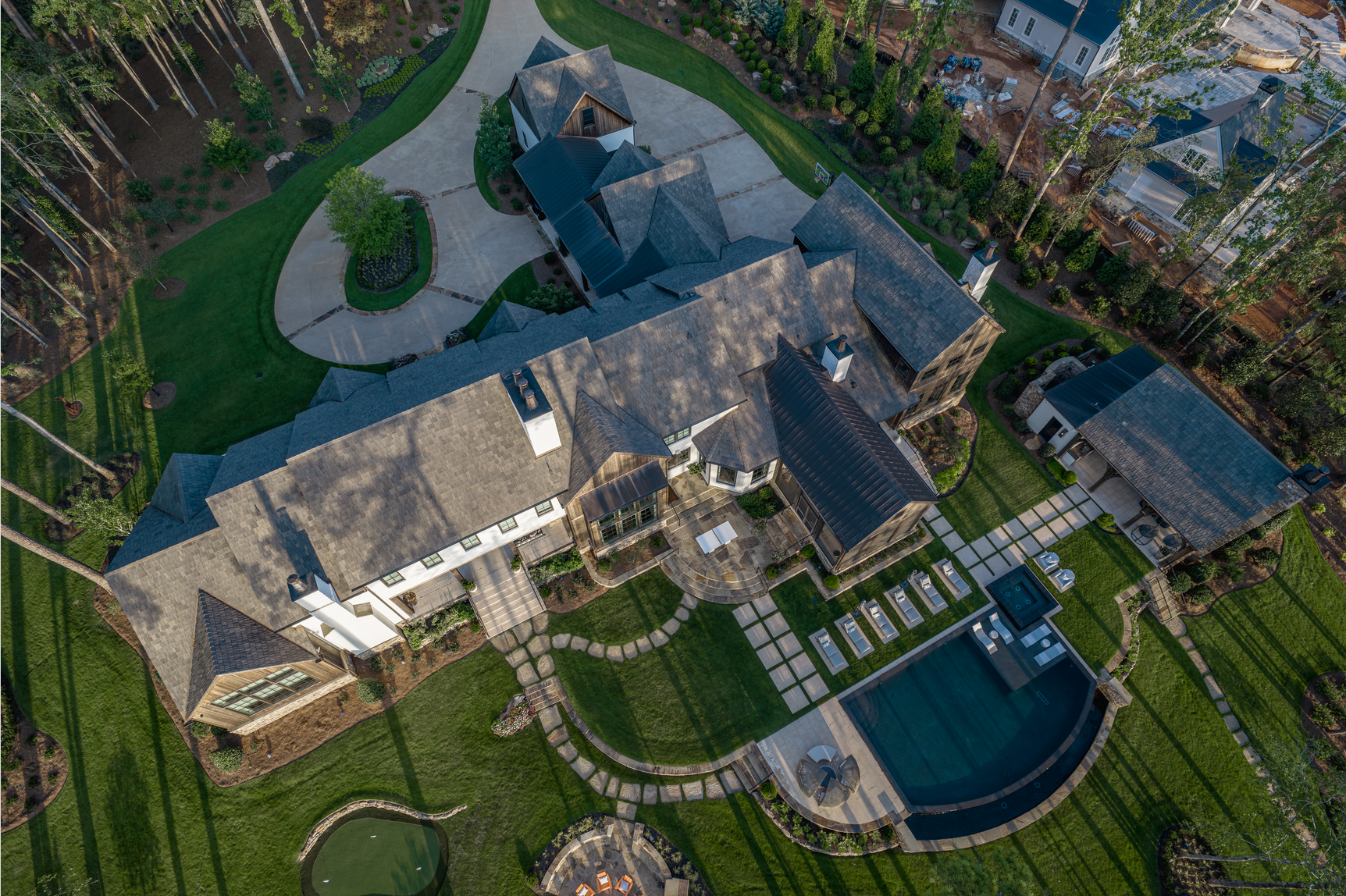
The IBHS FORTIFIED program focuses on systems that can withstand real-world storm conditions. Where standard roofs have vulnerabilities, FORTIFIED ones create strengths.
Consider the following features before choosing your roofing materials:
- Edges: High-wind roof protection begins at the edges. FORTIFIED roofs require wider drip edges. Fully adhered starter strips act as armor for roof tiles against wind uplift.
- Seals: Water intrusion protection comes from sealed roof decks. Fortifying the seals can block up to 95% of water entry.
- Nails: Enhanced attachment uses ring-shank nails, providing a dramatically better grip than standard nails.
- Materials: FORTIFIED impact-resistant roofing systems are fully tested against realistic hail conditions.
Want peace of mind? Call us to find out more about Bravo roof tiles and a resilience assessment for a certified storm-ready roof.
The Choice Between the FORTIFIED Roof vs. Standard Code for Tile Roofs Matters in Severe Weather
Not all roofing materials perform equally under duress, and this is where modern impact-resistant roofing systems show their engineering superiority. While durable, improperly secured traditional clay or concrete tiles become projectiles in extreme winds. Synthetic composite tiles offer distinct advantages for hurricane-resistant roof design because they interlock to create a unified plane that resists wind uplift.
Engineered polymer construction absorbs and disperses impact energy rather than cracking under pressure. The highest impact ratings, UL 2218 Class 4 and IBHS "Excellent," easily maintain the aesthetic appeal of natural materials. However, the resilience of these tiles adequately protects against the hairline fractures that are common in standard tiles.
A Smart Financial Decision for Homeowners in Storm-prone Regions
Beyond its resilience, choosing a FORTIFIED roof represents a smart financial decision for homeowners in storm-prone regions. While the immediate benefit is superior protection for your family and belongings, the long-term financial advantages are equally compelling. For example, insurance companies actively reward proven roof resilience.
Look into the financial incentives, and an investment in a FORTIFIED system becomes financially astute. Some coastal providers go even further than big discounts, offering complete deductible waivers that can potentially save you thousands out-of-pocket following a storm event. Why not discover how much you could save on insurance and repairs with a FORTIFIED roof?
It’s Time To Build Your Defense on the Brava Roof Tile Difference
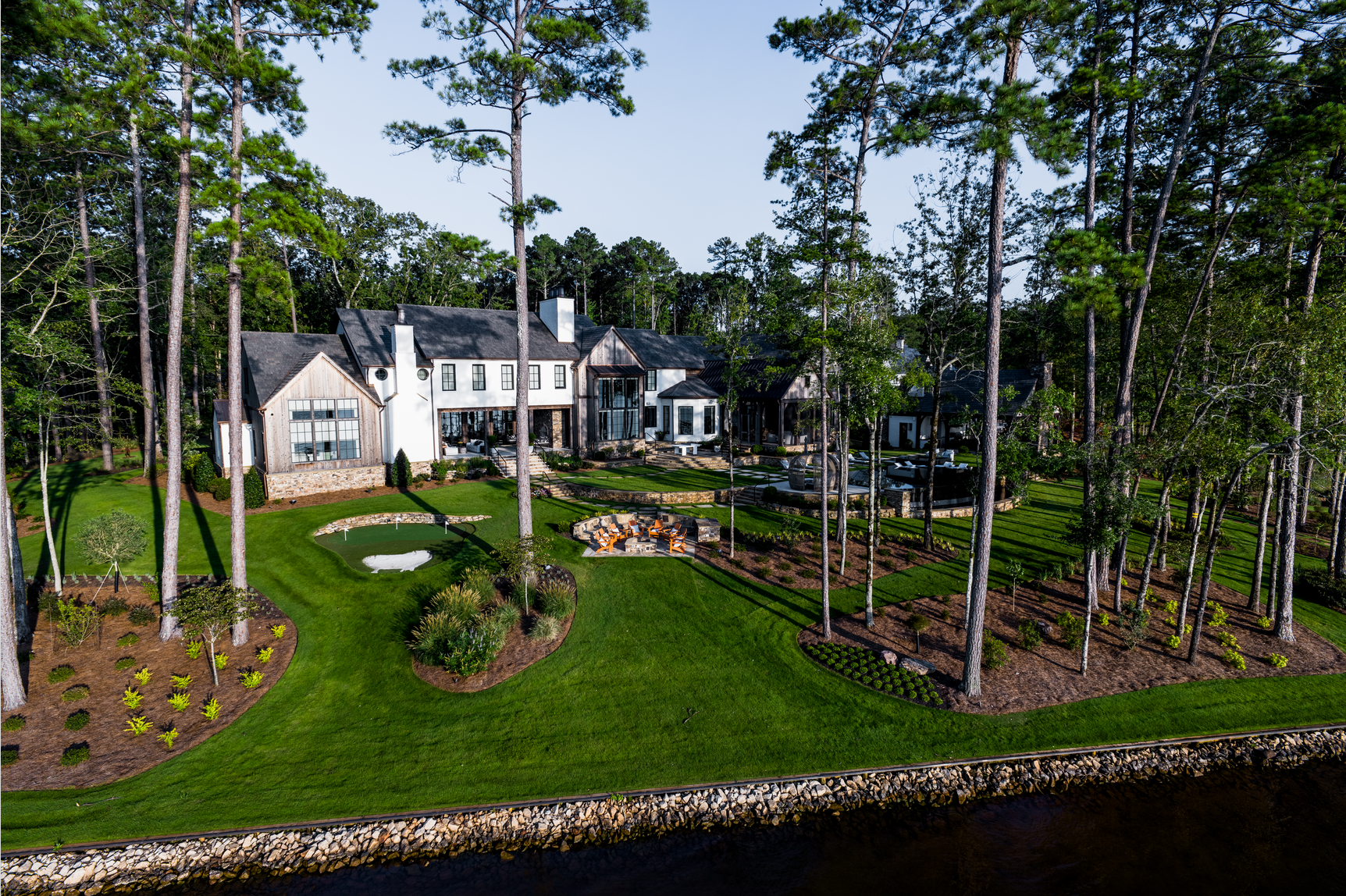
A Brava roof is one engineered with beauty and resilience in mind. When comparing the FORTIFIED roof versus standard code for tile roofs, you’ll find that our synthetic systems meet higher safety standards while maintaining stunning design. Brava also works directly with contractors and homeowners to ensure that every detail of the installation job can provide the safety your family deserves when severe weather strikes.
Contact Brava today at (844) 290-4196 to explore the benefits of a FORTIFIED roof and say goodbye to inadequate standard-code materials. Our certified systems provide superior protection with a timeless design to fortify your roofing investment for years to come.