Roof replacements are something no homeowner looks forward to. It is a big process, from looking up contractors to considering materials, colors, and styles. Asphalt shingles have always been a popular choice—easy and affordable. But, there are other options, like concrete, which can lend themselves to be a more unique, durable option. So, what are the differences between a concrete tile roof vs asphalt shingles, and what should you choose? Here is a comparison of the two, with another alternative to consider.
What Are Concrete Roof Tiles?
Concrete roofing tiles provide an alternative to clay and slate roofing. They are generally made from a mixture of sand, cement, water, and iron oxide, but there are also fiber cement tiles, which combine sand, cement, and fiberglass. Both are molded under heat and pressure to create a durable roofing product that offers aesthetic versatility.
Durability
Overall, concrete tiles are a durable roofing option. They are naturally Class A fire resistant, and their thick, weighted construction makes them capable of sustaining winds up to 180 mph. They can also be relatively freeze-thaw cycle resistant, making them suitable for various climates.
Durability goes beyond all of this. The weight of the tiles, which can be around 9.5 to 12 pounds per square foot, has its drawbacks, but it also makes them durable; it adds to the longevity, weather, and impact resistance. A concrete tile roof can last anywhere from 50 to 75 years. However, with proper installation and maintenance, they can last even longer.
Energy Efficiency
The combination of natural materials that make up concrete tiles creates a product that doesn’t absorb heat but rather reflects it. This allows homes with concrete roofs to stay warm during colder months and cool during warmer ones. Concrete tiles are also insulating, which helps to keep heating and cooling costs low.
Appearance
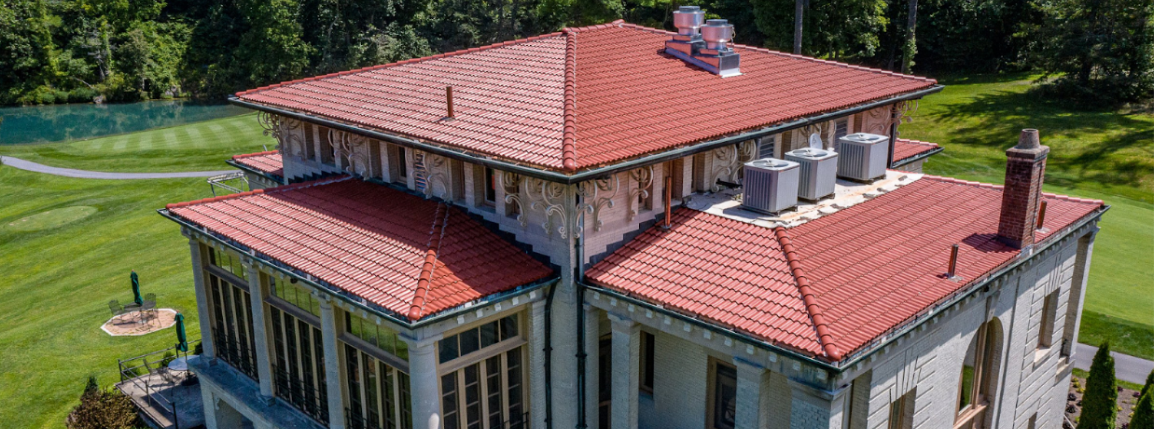
As mentioned, concrete tiles come in various styles, colors, and finishes, from earthy tones to more vibrant and multicolor options. Concrete tiles can mimic other materials, including clay, wood, slate, and even stone.
Cost
When it comes to the cost difference between a concrete tile roof vs asphalt shingles, concrete tiles are significantly more expensive when looking at all the various factors. Generally, you can expect to pay $10.70 to $27.50 per square foot, including materials and labor. Other factors that affect the cost of a concrete tile roof installation include the size of the roof, the slope, and the style of tiles, among other things.
The roof structure is also important to consider, as concrete tiles are more than double the weight of asphalt shingles. To install these tiles, the structure needs to be able to support that weight, which can incur additional installation costs.
Installation
Concrete roof tile installation is something that is best left to professionals. Improper installation can severely affect the functionality and safety of your roof. A professional will know to ensure that the roof structure can support the weight of the tiles and that the underlayment and flashing are secured correctly. They will also know the proper technique for laying tiles to ensure they are secured correctly and properly aligned.
Maintenance
Maintenance is vital to ensuring the longevity of a concrete tile roof. Maintenance isn’t overly involved; it involves things you want to do with any roofing material. This includes:
Tile cleaning at least once a year.
Roof inspections should be done once a year or after severe weather, to check for potential damage.
Trim any overhanging tree branches that can lead to moisture issues, algae, and moss growth.
If tiles are damaged, it’s important to make the necessary repairs promptly to prevent the problem from getting worse.
What Are Asphalt Shingles?
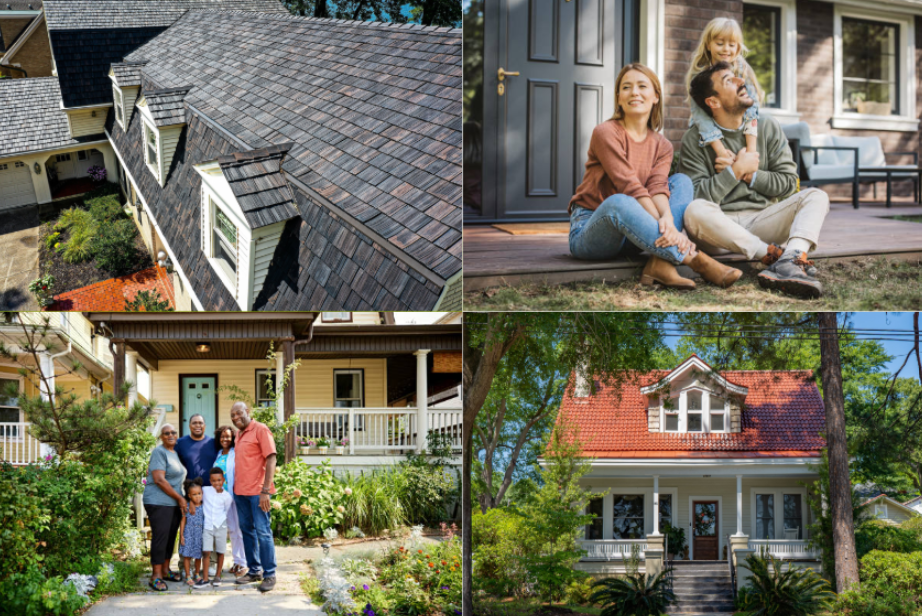
Asphalt shingles have been the most common residential roofing material. They are a lightweight material that is cost-effective and easy to install. There are three types of asphalt shingles: 3-tab shingles, which are the most basic, architectural shingles, and luxury shingles. Asphalt shingles are composed of a fiberglass mat coated in asphalt with a top layer of mineral granules.
Durability
Asphalt shingles aren’t the most durable material; 3-tab shingles are thin and flimsy, and while architectural and luxury shingles are thicker, their durability still doesn’t compare to concrete roof tiles. They don’t stand up to extreme weather well, and are prone to warping, cracking, and breaking. Strong winds can also rip shingles off the roof. Generally, this kind of durability results in asphalt shingles ranging from 15 to 30 years, depending on the climate.
Energy Efficiency
Between a concrete tile roof vs asphalt shingles, asphalt shingles aren’t the most energy-efficient material. While some brands claim to have a level of solar reflectance, which helps keep the roof cooler, that reflectance is minimal. Unlike concrete roof tiles, shingles are also installed directly onto the roof decking. This means that even with solar reflectance, there will still be enough heat transfer that attic and indoor temperatures will be higher—and so will your energy bills.
Appearance
Basic asphalt shingles aren’t the most unique roofing material. They come in an array of colors, with architectural and luxury shingles offering different styles that replicate styles like cedar shakes and slate. These different options mean that homeowners have a relatively wide selection to choose from, making it easy to get the perfect roof for their home. However, you won’t be able to get the same dimensional look that concrete roof tiles offer.
Cost
Asphalt shingles are the most affordable roofing material you can get. Shingles can cost anywhere from $1.50 to $8 per square foot depending on what you opt for. While shingles are affordable, you also have to consider the rest of the factors that go into shingle installation. This includes the size and shape of the roof, the number of valleys, roof structural repairs, and more.
Installation
Asphalt shingles are easy to install, weighing 2 to 5 pounds each. There are no special installation requirements, and you can install shingles yourself if you feel capable. However, it may be best to leave it to a professional contractor with the experience to do the job correctly, without damaging the shingles. They can also help ensure the job gets done much faster.
Maintenance
Asphalt shingle maintenance isn’t that different from concrete shingle maintenance. Shingles require regular cleanings, and you want to remove any debris to avoid moisture collection that can lead to moss and algae growth, leading to serious damage. You also want to:
Regular inspections should be performed at least twice a year, but also after severe weather.
Remove overhanging branches.
Clean your gutters and downspouts.
Ensure there is adequate attic ventilation.
Address any moss or algae as soon as possible to avoid damage.
Repair any damage immediately.
An Alternative Solution: Brava Synthetic Tiles
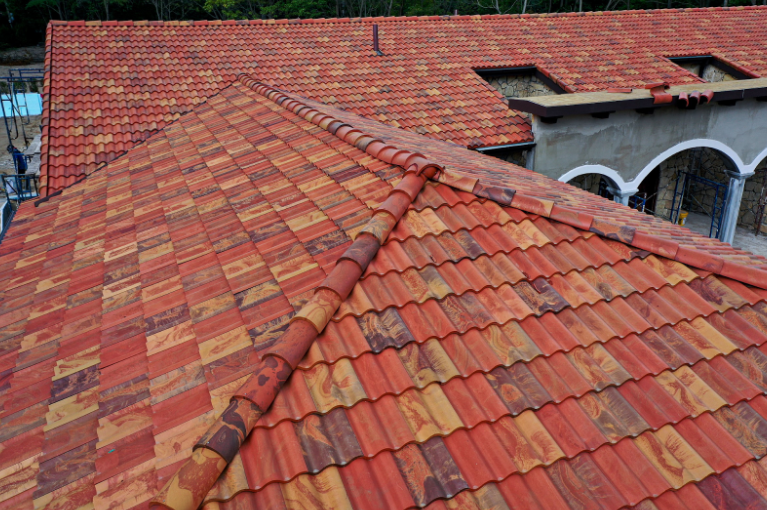
Both concrete tile roof vs asphalt shingles had advantages and disadvantages. Concrete tiles come out as the more durable, long-lasting option, but they aren't necessarily ideal between the weight and associated costs. Brava Roofing Tile offers an alternative: synthetic tiles, which have all the durability of a material like concrete, if not more, without the weight concerns, which makes them significantly easier to install.
Brava tiles are made from 100% recycled plastics. They are molded to mimic hand-split cedar shakes, slate, and barrel tiles, and an array of color options provide added dimension.
The tiles’ composition means moisture isn’t an issue; you’ll never have to worry about mold, mildew, moss, algae, or lichen growth. They also offer Class 4 impact ratings, Class A and C fire ratings, wind resistance from 188 mph to 211 mph, and are highly freeze-thaw resistant, making them great for every climate. They will never crack, curl, warp, or tear. This makes for a low-maintenance roof that requires virtually no maintenance beyond regular roof inspections and cleanings.
They are also insulating and have UV resistance, helping to lower your energy bills year-round. For hotter climates, homeowners can choose a cool roof color, which will provide additional solar reflectance, keeping the home significantly cooler during the summer.
With a Brava Roof, you get the ultimate protection and style. With proper installation and care, it will last 50 years or more.
Which Roof Is Right for You?
Choosing between concrete tile roof vs asphalt shingles comes down to your priorities. If affordability and ease of installation top your list, asphalt shingles may be the better fit. But if you’re investing in long-term durability, energy savings, and a distinctive appearance, concrete tiles—or even better, synthetic alternatives like Brava Roofing Tiles—offer outstanding value.
Ready for a roof that delivers style, strength, and sustainability? Contact Brava Roofing to discover a lightweight, low-maintenance solution that outperforms traditional materials without compromising on looks.